

Small Animals
Small animal cages at Valuhub Canada cover chicken coops, hamster cages, rabbit hutches and habitats. The range keeps pets safe, dry and comfortable, from compact indoor cages to walk-in outdoor runs. It suits backyard flocks, rabbits, guinea pigs and hamsters.


118"L Chicken Coop, Large Wooden Hen House with Run, Pull-Out Tray, Waterproof Roof, Nesting Box, Swing, Roosting Bars

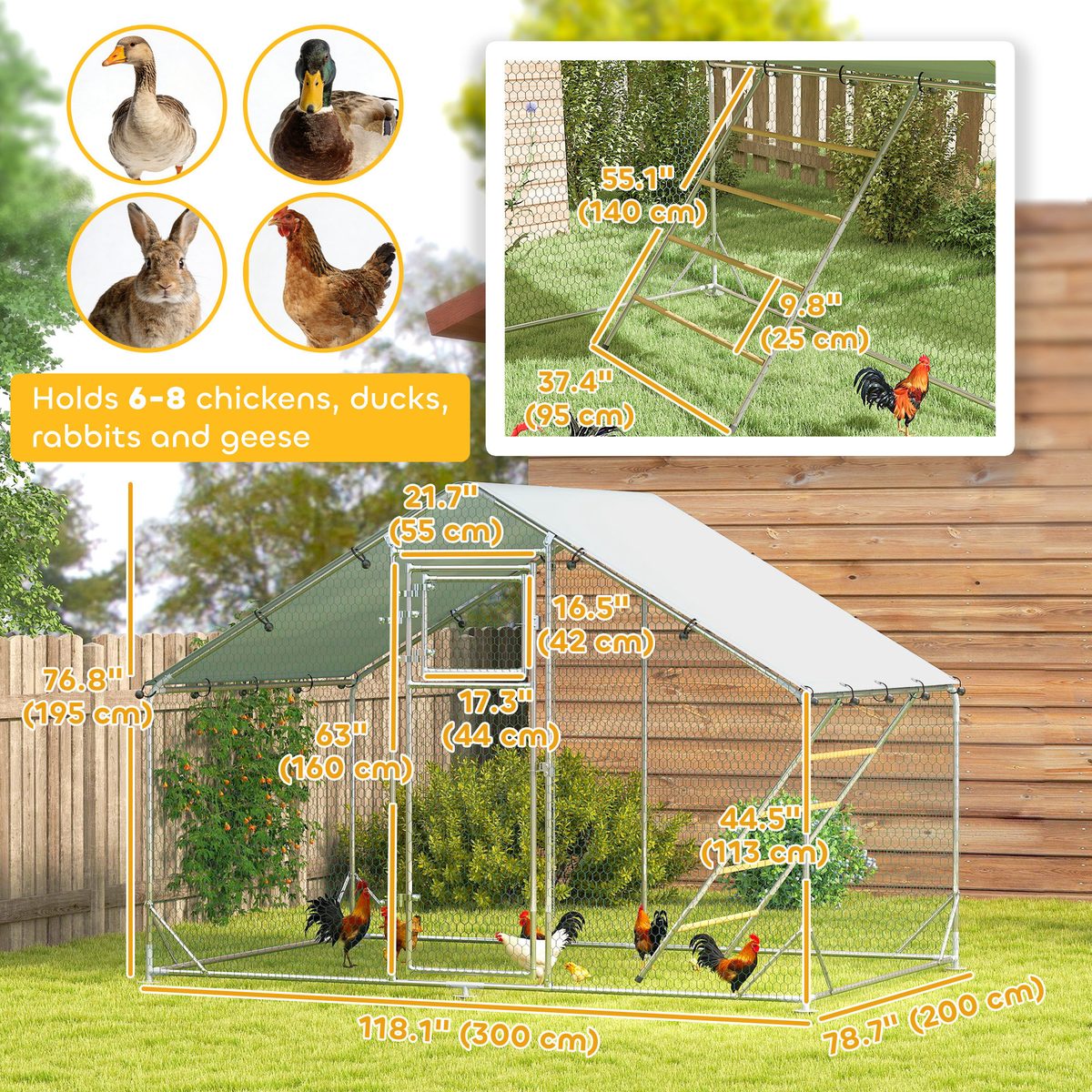
Large Metal Chicken Run with Waterproof & UV-Resistant Cover, Feeding Door, Hanging Feeder, Perch for 6-8 Chickens


Chicken Coop with Run, L-Shaped Wooden Chicken House with 2 Houses, Outdoor Hen House with Waterproof Roof and Ramps
 Popular Choice


19.7' x 9.8' Metal Chicken Run with Waterproof and Anti-UV Cover


Chicken Run, 23' x 6.6' Metal Chicken Coop with Waterproof and Anti-UV Cover, Spire Roof, Door, for 12-14 Chickens, Ducks, Rabbits, Sliver
Popular Choice


Large Chicken Coop, 134"L Wooden Chicken House with Run, Nesting Box, Slide-Out Tray, Waterproof Roof and Ramp


Chicken Run Waterproof Large Chicken Coop with Nesting Box for 2-4 Chickens, Orange and White


Large Chicken Coop, 134"L Wooden Chicken House with Run, Nesting Box, Slide-Out Tray, Waterproof Roof and Ramp


21.7' x 6.2' Metal Chicken Run with Waterproof and Anti-UV Cover


71" Chicken Coop for 3 Chickens, Wooden Hen House with Run, Removable Tray, Nesting Box, Waterproof Asphalt Roof


69" Chicken Coop Wooden Hen House Rabbit Hutch Poultry Cage Pen Outdoor Backyard with Outdoor Run Resting Nesting Box Removable Tray Waterproof Asphalt Roof Lockable Door Yellow and Green
Popular Choice


72" Chicken Coop, Wooden Hen House for 2 Chickens, Poultry Cage with Run, Nesting Box, Removable Tray, Waterproof Roof


54"L 2-Story Large Rabbit Hutch Bunny Cage Wooden Pet House Small Animal Habitat with Lockable Doors, No Leak Tray and Waterproof Roof for Outdoor/Indoor Orange


Rabbit Hutch, Wooden Guinea Pig Cage with Run, Openable Top, Pull Out Tray and Ramp, Water-Resistant Roof, Grey


Large Metal Chicken Coop, Chicken Run with Waterproof & Anti-UV Cover for 3-5 Poultry, Outdoor Poultry Cage Rabbit Hutch


Rabbit Hutch, Wooden Bunny Cage Indoor Outdoor Bunny Hutch with Tray and Openable Water-Resistant Roof, Yellow


Wooden Rabbit Hutch, Indoor Outdoor Bunny Cage with Run, 2- Level Guinea Pig House with Slide-Out Tray, Waterproof Roof, Yellow


Wooden Rabbit Hutch, Bunny Cage with Waterproof & Openable Asphalt Roof, Outdoor Cat House Guinea Pig Cage Duck Shelter, Indoor Outdoor Use, 20" x 16.5" x 17", Orange


Guinea Pig Cage with Removable Top, 2 Separate Area, Waterproof Bottom Liner, Ramp, Perch, for Rabbits, Hedgehogs


Small Animal Cage Waterproof Mat DIY Animal Playpen for Guinea Pigs Rabbits 12 Panels and Door Black


137" Wooden Chicken Coop with Chicken Run, Nesting Box, Dark Grey


123" Extra Large Chicken Coop Wooden Poultry House Rabbit Hutch Hen Backyard with Outdoor Run Ramps and Nesting Boxes, Orange


Wooden Chicken Coop with Run for 1-2 Chicken, Bunnies, Ducks


Galvanized Large Metal Chicken Coop Cage Walk-in Enclosure Poultry Hen Run House Playpen Rabbit Hutch with Cover for Outdoor Backyard 9.2' x 6.2' x 6.5' Silver


142" Outdoor Wooden Chicken Coop with Run, Ramps, Perches, Storage, Combinable Design for 6 - 10 Chickens, Grey


Wooden Chicken Coop, Rabbit Hutch with Large Run, Outdoor Poultry Cage with Nesting Box, Tray, Windows, Dark Grey
Popular Choice


Wooden Chicken Coop with Nesting Boxes, Run, Doors, Tray, Ramp for 4-6 Chickens


Chicken Run Outdoor, Galvanized Large Metal Chicken Coop Cage, Walk-in Enclosure Poultry Hen Run House Playpen Rabbit Hutch with Flat Roof, Cover, 9.2'x6.2'x6.5', Silver


Large Chicken Coop, Wooden Hen House with Covered Run, Nesting Box, Pull-Out Tray, Opening Asphalt Roof


79" Wooden Chicken Coop, Outdoor Hen House, Poultry Habitat with Removable Tray, Nesting Box, Run, Ramp, Brown


82" Deluxe Chicken Coop Wooden Large Hen House with Run and Nesting Box for Hens Rabbits, Orange


Rabbit Hutch Outdoor, 85"L Large Wooden Bunny Cage with Run Box, Removable Plastic Tray, Asphalt Roof, Ramp, Yellow
Popular Choice


Large Metal Chicken Coop, Hen Run House with Anti-Ultraviolet Cover, Walk-in Poultry Cage for Ducks, Rabbits, Outdoor Backyard Farm, 13.1' x 9.8' x 6.4'


77" Chicken Coop Hen House Rabbit Hutch Poultry Cage Pen Outdoor Backyard with Nesting Box Run Natural


65" Chicken Coop Wooden Hen House Rabbit Hutch Poultry Cage Pen Outdoor Backyard with Nesting Box, Ramp, Run, and Ladder


66.5" Large Chicken Coop, Wooden Chicken House with 2 Nesting Boxes, Sliding Tray & Ramp, for Outdoor Backyard Farm


47" Chicken Coop Wooden Chicken House Rabbit Hutch Raised Poultry Cage Portable Hen Pen Backyard


Chicken Coop with Wheels, 80" L Mobile Hen House with Run, Outdoor Wooden Chicken House with Nesting Box, Tray, Ramp


63" Chicken Coop Wooden Hen House Rabbit Hutch Poultry Cage Pen Outdoor Backyard with Nesting Box and Run Small Animal Cage PC Roof Grey


Chicken Coop with Run Mobile Wooden Hen House with Nesting Box Pull-out Tray for 1-2 Chickens Orange


117" Extra Large Chicken Coop with Asphalt Roof, Wooden Hen House with Slide-out Tray, Quail Hutch with Nesting Box, Orange


65" Wooden Rabbit Hutch, Pet Playpen with Openable Roof, Storage Box, for Rabbits and Small Animals, Dark Grey


3 Tier Rolling Hamster Cage with 7" Deep Tray, Storage Shelf, Big Exercise Wheel, Tube System, for Syrian, Gerbil, Rat


Walk In Chicken Run, Large Galvanized Chicken Coop, Hen Poultry House Cage, Rabbit Hutch Metal Enclosure w/ Water-Resist Cover for Outdoor Backyard Farm, 9.9' x 3.5' x 5.6'


Duck Coop, Wooden Duck House with Openable Roof & Double Doors, Natural Wood


69" Wooden Rabbit Hutch Pet Playpen Bunny House Enclosure with Run Box, Slide-out Tray, Ramp, for Rabbits and Small Animals, Black


95"L Chicken Run Large Chicken Coop with Nesting Box Wooden Roof Side Door for Outdoor 4–8 Chickens


Wooden Chicken Coop, Outdoor Backyard Garden Large Rabbit Hutch with Nesting Box, Run, Ramp, Drawer


Hamster Cage with Storage Cabinet, Small Animal Cage with Pull Out Drawer and Acrylic Panels, 30" x 19.5" x 36"
Popular Choice


Wooden Rabbit Hutch Elevated Pet House Bunny Cage Small Animal Habitat with Slide-out Tray Lockable Door Openable Top for Indoor 58" x 18" x 35" Grey
Small animal cages, hutches and coops for safe pet housing
Small animal cages in this collection house chickens, rabbits, guinea pigs and hamsters. The range covers wooden coops, metal runs, hutches and multi-tier cages. Each style keeps a pet safe, dry and close to home.
Valuhub Canada serves backyard flock keepers, rabbit owners and apartment dwellers with hamsters or guinea pigs. Outdoor coops and hutches suit yards and sheltered patios, while multi-tier cages fit living rooms and bedrooms. Browse chicken coops for flocks, rabbit hutches for bunnies and hamster cages for small rodents.
Small animal cages at a glance
Types of small animal cages in this collection
Small animal cages in this range fall into four groups. Chicken coops are the largest group, followed by hamster cages, rabbit hutches, and houses and habitats.
Chicken coops and runs
Chicken coops are the largest group in this range. Most are wooden hen houses with an attached run, a nesting box and a slide-out tray. Galvanized metal runs with a waterproof, UV-resistant cover suit bigger flocks. A few are sold as a duck coop. Listed capacities run from 1 to 14 birds.
Hamster and multi-tier cages
Multi-tier cages suit pets that live indoors. Many have two to five levels, a deep tray, ramps and shelves, and some roll on wheels. One hamster cage adds a storage cabinet and acrylic panels. Smaller models are listed for hamsters, gerbils and rats. The tallest is listed as a ferret cage and names chinchillas too. A guinea pig cage here has two separate areas.
Rabbit hutches
Rabbit hutches are wooden homes for rabbits and guinea pigs, used indoors or outdoors. Many have a water-resistant roof that opens, a pull-out tray and a ramp down to a run. Two-level and wheeled models are also in the range. Lengths run from about 51 cm (20 in) to 216 cm (85 in).
Houses, habitats and playpens
Houses and habitats give small pets room to exercise and rest. Some are panel playpens built from 12 panels with a door and a waterproof mat. A small animal playpen like this suits indoor floors and patios for supervised play. Other small animal pens and habitats add a sheltered sleeping area.
Check each product page for exact sizes in centimetres and inches, and for the animals it suits.
How do you choose a small animal cage?
Match the cage to the animal
Start with the species, because each one needs a different layout. Hamsters need deep bedding. Guinea pigs and rabbits need a wide floor. Chickens need roosting space plus a run. Chicken coop listings name a flock size from 1 to 14 birds.
Measure the floor space
Floor area matters more than height. Compare the length and width on the product page with your space, in centimetres and inches. Leave about 30 cm (12 in) free beside the cage so doors and trays open fully.
Choose a material for the setting
Wooden hutches and coops suit a dry, sheltered spot. Galvanized metal runs shed rain. Sizes run from about 2.8 m (9.2 ft) to 6 m (19.7 ft) long. Plastic and acrylic panels wipe clean fast.
Check doors and trays
Lockable doors help keep curious pets in. A pull-out tray lets you clean without lifting the animal. Look for a door wide enough for your hand and a food bowl.
Plan for weather and movement
Outdoor housing needs shade, shelter and a spot off damp ground. Some models roll on wheels. A small pet cage then moves onto fresh grass, or indoors in a cold snap.
Where do small animal cages work best?
Backyards and small farms are the best home for coops and large runs. A coop with a nesting box and an outdoor run gives hens shelter at night. They get room to scratch by day. Metal walk-in runs let an owner step inside to collect eggs and clean. Pair them with chicken coops that match the flock size.
Apartments and living rooms suit multi-tier cages and indoor hutches. A tall hamster or guinea pig cage uses wall space instead of floor space. Wheeled models roll aside for cleaning, and a panel playpen gives extra floor time. Rabbits can also live in rabbit hutches on a covered porch.
Pet shops, rescues and school classrooms use cages for short stays and display. Easy-clean trays and clear access doors make daily care quick. Round out the setup with pet supplies such as bowls, bedding and carriers.
How do you set up and care for a small animal cage?
Set up a small animal cage on level ground, away from drafts, direct sun and loud appliances. Remove soiled bedding every day or two, and empty the tray often. Wipe the floor and tray each week with a pet-safe cleaner, then dry them fully. Check wood, latches and mesh for chewing or wear, and fix any gaps right away.
Shipping and returns: Orders over $150 ship free across Canada. Delivery details show on each product page. Returns are accepted within 14 days of delivery, as set out in our refund policy.
Small animal cage FAQs
What is a cage for small animals called?
A cage for small animals is usually called a small animal cage, small animal habitat or small animal hutch. Hutches are wooden homes used mostly for rabbits and guinea pigs. Habitats and multi-tier cages suit hamsters, gerbils and rats. Coops are the matching home for chickens and ducks.
What animals can live in these cages?
Common choices are hamsters, gerbils, rats, guinea pigs, rabbits, ferrets and chinchillas. Backyard chickens and ducks live in coops with runs. Each species has different space needs. Check the animals named on the product page, then choose the largest size that fits.
What size cage does a guinea pig need?
Guinea pigs need more floor space than many starter cages offer. Many guides suggest at least 7.5 square feet (0.7 square metres) of floor for one or two animals. Choose a wide design with a solid floor and a ramp, and add a run for daily exercise.
Can small animal housing be used outdoors?
Outdoor use depends on the model. Wooden coops and hutches with waterproof roofs, and metal runs with covers, are made for yards. Indoor cages with trays and mesh are not made for rain. Place outdoor housing in shade, off damp ground, and protect pets from extreme heat and cold.
How do you clean a small animal cage?
Remove soiled bedding every day or two, and empty the pull-out tray. Wipe the tray and floor with a pet-safe cleaner each week, then dry them fully before adding fresh bedding. Models with removable trays and openable tops make this job faster.
Do small pet cages ship free in Canada?
Orders over $150 ship free in Canada. Delivery details show on each product page, because items can ship from different warehouses. Returns are accepted within 14 days of delivery on unused items in their original packaging.
