

Indoor Plants
Indoor plants at Valuhub Canada include pothos, monstera, dracaena, cacti, ferns and citrus trees, plus plant care products. Choose by light and size for bright windows, shady corners and humid bathrooms.


Citrus, Calamondin Orange


Chinese Evergreen Spring Snow


Monstera Adansonii, Indoor Plant for Homes


Dracaena Reflexa 'Song of India' Indoor Plant


Alocasia Polly - Alocasia Amazonica


Pothos Golden - Epipremnum Aureum Golden


Marble Queen Pothos - Epipremnum Aureum Marble Queen


Calathea Ornata Pinstripe


Pothos Majula - Epipremnum Aureum Manjula


Fern Crocodyllus | Crocodile


Alocasia Bambino, A Compact Beauty with Bold Leaves




Monstera Thai Constellation


Aloe Pheasant Breast


Monstera Deliciosa - Swiss Cheese Plant Deliciosa


Bios Plant Probiotics - Kill Disease and Feed Plants


Bios Yucca Extract - Keep your plants hydrated


Citrus Kaffir Lime Tree


Indoor plants for every light level
Valuhub's indoor plants collection brings together pothos, monstera, cacti, ferns and citrus trees for every room. Most are foliage plants with bold leaves. Others add fruit or soft texture. Plant care products sit alongside them.
Valuhub Canada is a Canadian online store, so you can shop indoor plants Canada wide in one place. Choose plants by light, size and care level. Each product page lists the details. Browse indoor plants online, then add a plant stand or a planter set to finish the display.
Indoor plant facts at a glance
Types of indoor plants in this collection
The range falls into six main groups, listed from the largest to the smallest.
Foliage plants
Foliage plants form the largest group in this collection. It includes dracaena, Chinese evergreen, calathea, alocasia, croton, begonia and bird of paradise. Dracaena and Chinese evergreen are forgiving in lower light. Calathea and alocasia like steady humidity. Bird of paradise and croton do best in bright indirect light.
Pothos, monstera and climbers
Pothos, monstera and climbers add trailing or climbing growth. The range includes golden, marble queen, manjula and N'Joy pothos. Monstera choices include deliciosa, adansonii and Thai constellation. A variegated English ivy rounds out the group. Hang them, train them up a pole or let them spill from a shelf.
Cacti and succulents
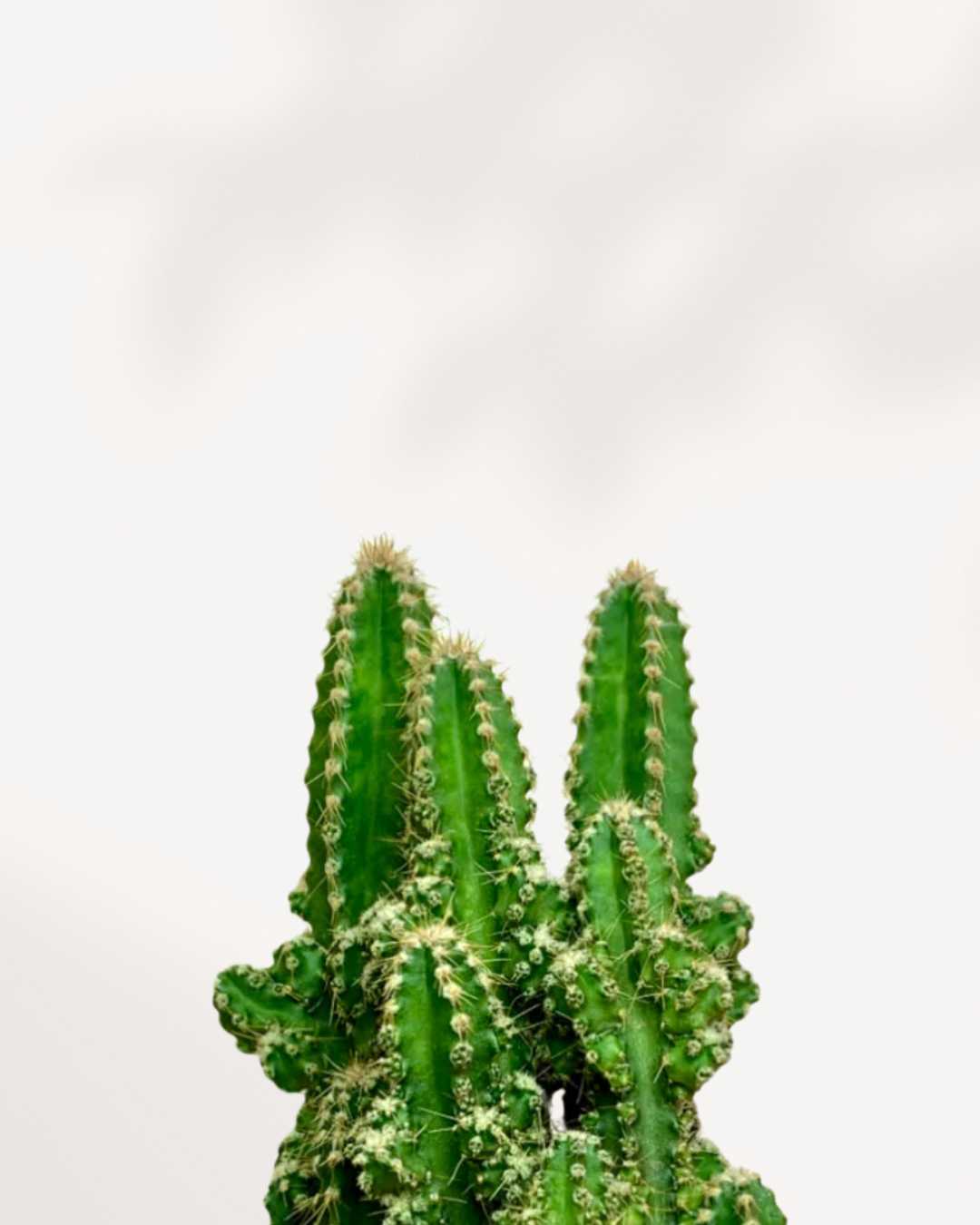
Cacti and succulents suit sunny windows and busy owners. The range includes Fairy Castle cactus, a cuddly cactus, an aloe and a succulent mystery box. These plants store water in their stems or leaves. Give them a gritty mix, a pot with drainage and plenty of light.
Ferns
Ferns bring soft, feathery texture. The range includes crocodile fern, cobra fern, asparagus fern and a blue oil fern. Ferns like even moisture and higher humidity than most houseplants. A bathroom or kitchen window with indirect light often suits them well. Mist or group them to raise the humidity.
Citrus and coffee plants
Citrus and coffee plants add fruit and fragrance to a bright room. The range includes a calamondin orange, a Meyer lemon, a kaffir lime and a coffee plant. These plants need the brightest spot you have, often a south or west window. Turn the pot now and then so growth stays even.
Plant care and pots
Plant care products and pots help plants thrive. The range includes natural fertilizer, plant probiotics, yucca extract and a Day of the Dead clay pot. Feed lightly during the growing season. Choose a pot with a drainage hole, or set a plant in a nursery pot inside a decorative one.
Check each product page for pot diameter, light and care notes.
How do you choose a houseplant?
Match the plant to your light
Place plants that want bright light within about 1 m (3 ft) of a bright window. Choose dracaena, Chinese evergreen or pothos for dimmer rooms. Most plant problems start with the wrong light.
Check the pot diameter
Pot diameter tells you more about plant size than height does. A 10 cm (4 in) pot holds a small starter plant. A 15 cm (6 in) pot holds a fuller plant. Check whether a pot is included.
Plan your watering
Push a finger 2.5 cm (1 in) into the soil before you water. Water when the top layer feels dry for most foliage plants. Cacti and succulents need longer gaps between drinks.
Check pet safety
Some common houseplants can upset cats and dogs if chewed. Look up the botanical name of any plant before you buy. Place unsafe plants out of reach.
Where do houseplants grow best?
Houseplants grow best in a bright room with indirect light. A spot near an east or south window suits citrus, coffee plants and cacti. Foliage plants such as monstera and bird of paradise like bright indirect light. Lift a plant onto a plant stand to catch more of the light.
Lower light rooms still work with the right plants. Dracaena, Chinese evergreen and pothos tolerate dimmer corners, though growth slows. Rotate them every few weeks so they grow evenly. Add a planter set to keep pots tidy and protect shelves.
Bathrooms and kitchens suit ferns and calathea, which like humidity. Keep them out of cold drafts and away from heating vents. Browse more in our plants and indoor garden collection or add style with home decor.
How do you care for a houseplant?
Give a houseplant light, water and room to grow. Water when the top layer of soil feels dry, and empty any saucer after ten minutes. Use a pot with a drainage hole. Feed lightly with fertilizer in spring and summer. Dust the leaves with a damp cloth. Repot into a pot one size larger when roots fill the container.
Shipping and returns: Shipping is free on orders over $150, and delivery details show on each product page. Returns are accepted within 14 days of delivery under our refund policy.
Indoor plant FAQs
What are the best plants to keep indoors?
The best plants depend on your light. Pothos, Chinese evergreen and dracaena suit most rooms. Monstera, bird of paradise and citrus want bright light. Cacti suit sunny windows, and ferns suit humid spaces. Match each plant to the light your room gets, then pick a size that fits.
Which are the easiest indoor plants for beginners?
Pothos, Chinese evergreen and dracaena are forgiving choices. They tolerate lower light and the occasional missed watering. Cacti suit people who forget to water. Start with one or two easy indoor plants, learn your light, and add more once you feel confident.
What are the best low light indoor plants?
Dracaena, Chinese evergreen and pothos are good low light picks. They grow more slowly in dim rooms, so water less often. Keep them within a few metres of a window, and rotate them every few weeks. Calathea and ferns also like indirect light but need more humidity.
How often should you water a houseplant?
Water a houseplant when the top 2.5 cm (1 in) of soil feels dry. That might be weekly in summer and every two to three weeks in winter. Cacti and succulents need less. Always use a pot with drainage and empty the saucer after watering.
Do plants ship safely in cold weather?
Live plants are frost sensitive, so cold weather is a risk. Bring a delivered plant indoors right away and unpack it. Keep it away from cold windows and drafts. Check the product page and your order emails for delivery details before you order in winter.
Are houseplants safe for cats and dogs?
Not all houseplants are safe for pets. Some can upset the stomach of a cat or dog if chewed. Look up the botanical name of each plant before you buy. Place plants out of reach, and call your vet if a pet chews an unknown plant.
