

Appliances
Appliances at Valuhub Canada cover portable air conditioners, dehumidifiers, electric fireplaces, laundry machines and kitchen units. The range suits apartments, basements, cottages and small households, with white, black and silver finishes.


1260 sq.Ft Portable Quiet Dehumidifier for Home Laundry Room Bedroom Basement, 21pt Electric Moisture Air De-Humidifier with 3 Modes

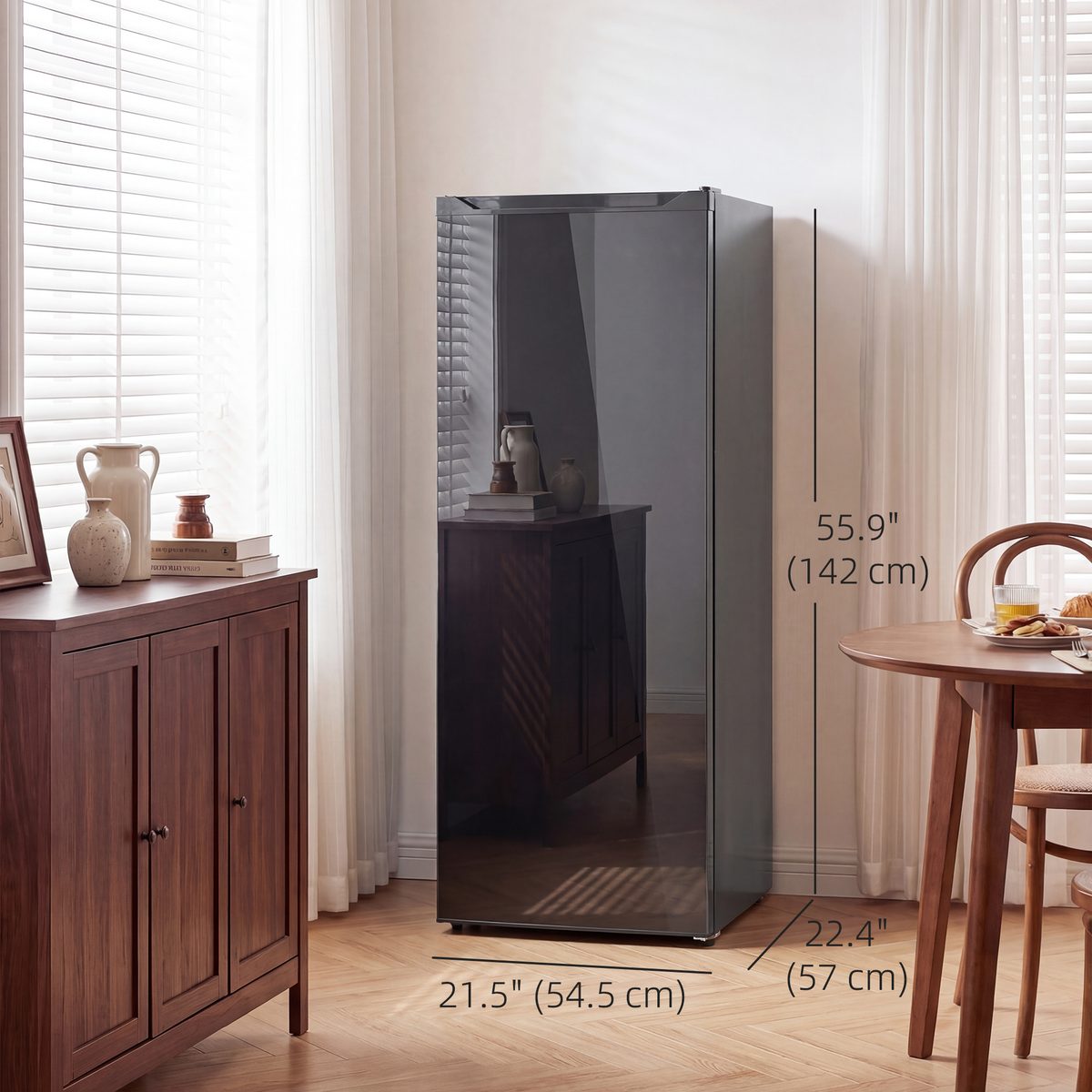
7.0 Cu.Ft Upright Freezer, Compact Stand Up Freezer with 6 Adjustable Shelves, Reversible Door for Home Office, Black


Double Door Mini Fridge with Freezer, 4.6 Cu.Ft Small Refrigerator with Thermostat, Shelves, Reversible Door, Black


3.2 Cu.Ft Beverage Fridge, 128 Can Drink Fridge with Glass Door, Auto-Defrost and LED Light for Soda, Beer, Black


Clothes Dryer with 6 Drying Modes, Laundry Dryer with Stainless Steel Tub 18 lbs, White


Compact Laundry Dryer, 1300W Portable Clothes Dryer with 4 Drying Modes, Stainless Steel Tub, White
 Staff Pick


Compact Laundry Dryer Machine, 1300W, 3.22 Cu. Ft. Electric Portable Clothes Dryer with 7 Drying Modes for Apartment or Dorm, White


Countertop Dishwasher with Built-in 6L Water Tank, 5 Wash Programs, Touch Control, LED Display, Dual Water Supply, White


100 Pint Smart Dehumidifier, 5,200 Sq. Ft., WiFi Large Dehumidifier with App, Alexa, Google Voice Control, Drain Hose
Staff Pick


15 Bar Coffee Maker Espresso Machine with Grinder Milk Frother Stainless Steel Espresso Maker for Cappuccino Latte Black


1.5 cu.ft Portable Compact Clothes Laundry Dryer with Intelligent Drying for Apartments Dorms RVs, 850W, White


Portable Dishwasher, Counter Dishwasher with 4 Place Settings, 5 Washing Programs, Air-Dry Function, 6L Water Tank

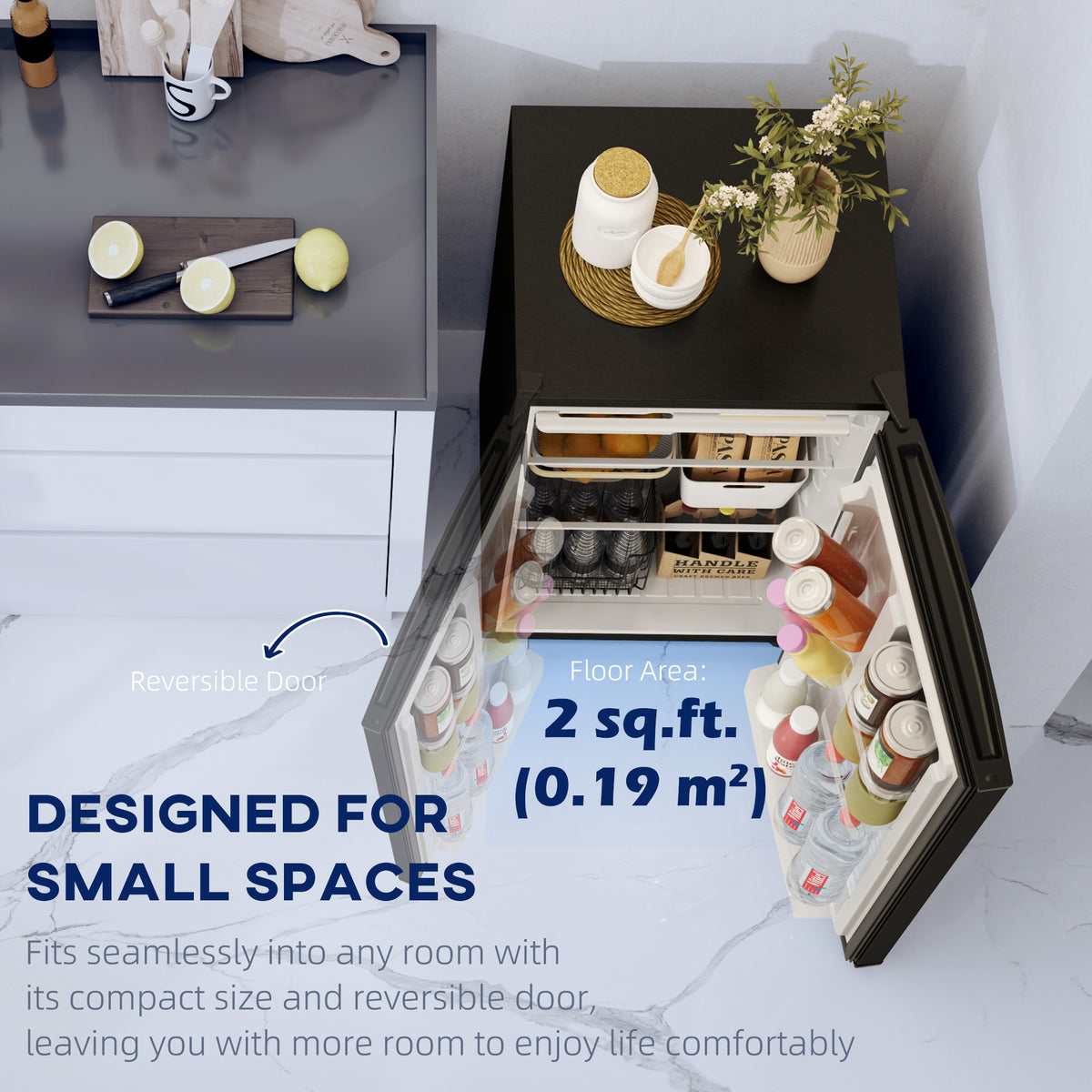
4.5 Cu Ft Mini Fridge with Freezer, Wheels, Single Door Refrigerator, Adjustable Thermostat, Reversible Door, Black


2.1 Cu.Ft Beverage Fridge, 85 Can Drink Fridge with Glass Door, Auto-Defrost and LED Lights for Soda, Beer, Black


Mini Freezer, 3.5 Cu.Ft Chest Freezer with 5-Setting Adjustable Thermostat, Wire Basket, Quiet Operation, White


Espresso Machine, 15 Bar Barista Coffee Maker with Milk Frother, Fast Heating, Grinder for Espresso, Latte, Cappuccino


3.2 Cu Ft Compact Refrigerator, Mini Fridge with Freezer, Adjustable Shelves and Reversible Doors for Bedroom, Black


1.1 Cu. Ft. Mini Freezer, Compact Upright Freezer with Reversible Door, Removable Shelf, Adjustable Temperature, Black


Upright Freezer, 3 Cu.Ft Mini Freezer with Reversible Single Door, Adjustable Thermostat for Home, Dorm, Black


Compact Refrigerator, Mini Fridge with Freezer, Adjustable Shelf, Mechanical Thermostat and Reversible Door, Black


Compact Washer, Portable Washing Machine, Full Automatic Washer with 8 Programs and 6 Water Levels, White


12 Volt Car Refrigerator, Dual Zone 48 QT Car Fridge with App Control, 12/24V DC and 100-240V AC


12 Volt Car Refrigerator, 42QT Car Fridge with App Control, 12/24V DC and 100-240V AC, Black


2.5 Cu.Ft Mini Fridge, Single Door Compact Refrigerator with Freezer, Adjustable Thermostat, Reversible Door, White


12 Volt Car Refrigerator, 32QT Car Fridge with App Control, 12/24V DC and 100-240V AC, Black


Retro Mini Fridge, 3.1 Cu. Ft Single Door Compact Refrigerator with Adjustable Thermostat, 2 Glass Shelves, Black


12 Volt Car Refrigerator, 26QT Car Fridge with App Control, 12/24V DC and 100-240V AC, -4℉-68℉, Travel Camping


Portable Ice Maker Countertop, Self-Cleaning Ice Machine with 2 Bullet Ice Sizes, Ice Scoop, Silver


20dB Silent Standing Fan, Oscillating Fan with 12 Speeds, LED Light, WiFi & Remote Control, 12H Timer
Staff Pick


Portable Ice Maker Countertop with Handle, Self Cleaning Ice Maker Machine with Scoop and Basket, 26lbs/24Hrs, Black


Portable Ice Maker, Self Cleaning Ice Machine with 9 Ice Cubes Ready in 6 Mins, 26lbs/24Hrs, 2 Sizes of Bullet Ice


Freestanding Tower Fan Cooling for Home Bedroom with 3 Speed, 12h Timer, Oscillating, LED Sensor Panel, Remote Controller, Black


Freestanding Tower Fan Cooling for Home Bedroom with 3 Speed, 12h Timer, Oscillating, LED Panel, Remote Controller, Black


Standing Floor Fan with Remote Control, Stand Up Cooling Fan, Tall Pedestal Electric Fan for Home Bedroom, White


Cooling Fan for Bedroom with Ice Pack, Tower Fan with Remote Control, 3 Modes, 3 Speeds, 7.5H Timer, White


28dB Tower Fan with 12 Speeds and 4 Modes, Standing Floor Fan with 80° Oscillating, 12H Timer, Black


Freestanding Tower Fan Cooling for Home Bedroom with Oscillating, 3 Speed, 12h Timer, LED Sensor Panel, Remote Controller, White
Staff Pick


Floor Standing Fan with Remote Control, Oscillating, LED Screen, Stand Up Cooling Fan, Tall Pedestal Electric Fan for Home Bedroom, Black


20dB Standing Fan for Bedroom, 70°+90° Auto Oscillating Fan with 8 Speeds, Remote Control, 12H Timer, Adjustable Height
Staff Pick


12000 BTU 5-in-1 Portable Air Conditioner with Cool, Heat, Dehumidifier, Fan, Sleep, WiFi Voice Control, Black


23000 BTU Mini Split Air Conditioner, 22 SEER2 230V Wifi Enabled Inverter AC Unit & Heat Pump Cools up to 1500 Sq. Ft


18000 BTU Mini Split Air Conditioner, 22 SEER2 230V Wifi Enabled Inverter AC Unit & Heat Pump Cools up to 1250 Sq. Ft


12000 BTU Mini Split Air Conditioner, 22 SEER2 115V Wifi Enabled Inverter AC Unit & Heat Pump Cools up to 750 Sq. Ft


12000 BTU Portable Air Conditioner, AC Unit with Cool, Dehumidifier, Fan, 550 Sq. ft, 24H Timer On Off, Window Kit
Staff Pick


8,000 BTU Moible Air Conditioner 345 Sq. Ft., Dehumidifier Fan Auto Sleep with 24H Timer On/Off, Window Kit, Black


8000 BTU Portable 4-in-1 Air Conditioner with Cool, Dehumidifier, Fan, Sleep, WiFi Voice Remote Control, Black


10000 BTU Portable Air Conditioner with Fan & Dehumidifier Mode, Quiet AC Unit with Remote Control, 24-Hour Timer, White


8000 BTU Portable Air Conditioner, AC Unit with Dehumidifier, Fan, WiFi Voice Remote Control, for Room up to 344 Sq. ft


10000 BTU Portable Air Conditioner, AC Unit with Dehumidifier, Fan, WiFi Voice Remote Control, for Room up to 441 Sq. ft
Staff Pick


2.4 Cu.Ft Beverage Refrigerator, 70 Can Beverage Fridge Cooler with Double-Layer Glass Door
Appliances for cooling, laundry and kitchen needs
Valuhub's appliances collection brings together climate control, laundry and kitchen machines that make a home easier to run. Portable air conditioners, dehumidifiers and electric fireplaces handle the seasons. Washers, dryers and mini fridges handle daily chores. Each product page lists its size, power and features.
Valuhub Canada built this range of compact appliances for apartments, condos, basements, dorms and cottages where space is tight. Many units have wheels, a remote control and a timer. Start with air conditioners and fans or electric fireplaces to narrow the choice.
Appliances at a glance
Types of appliances in this collection
The range covers five main groups. The table below compares what each one does best.
Portable air conditioners
Portable air conditioners are free-standing cooling units that vent hot air through a hose. Most listed models run 8,000 to 12,000 BTU, and many also work as a dehumidifier and fan. A remote control, a 24-hour timer and a window kit are common. They suit bedrooms and offices up to about 550 sq ft (51 m²). For wall-mounted cooling and heating, see mini split heat pumps.
Electric fireplaces
Electric fireplaces add a flame effect to a living room or bedroom without a chimney or gas line. The range includes freestanding and wall styles in a variety of widths, and many come with a remote control. Check each product page for heater output and size in centimetres and inches. Browse the full electric fireplaces collection for more styles.
Mini fridges, freezers and kitchen units
Cold storage and countertop machines are the largest kitchen group. Mini fridges and freezers range from 1.1 to 7.0 cu ft (31 to 198 L). Many have reversible doors. Beverage fridges add a glass door and auto-defrost. An ice maker makes about 26 lb (12 kg) a day. A countertop dishwasher has a 6 L water tank. See refrigerators and ice makers and small kitchen units.
Washers and dryers
Compact laundry machines fit apartments and small laundry rooms. A portable washing machine here offers 8 programs and 6 water levels. Compact dryers list a stainless steel tub and up to 7 drying modes. The largest holds 18 lb (8 kg). Compare sizes and connections on each page, then browse washers and dryers.
Dehumidifiers and tower fans
A dehumidifier pulls moisture from damp basements and laundry rooms. Listed sizes run from 21 pint to 100 pint, and the largest covers 5,200 sq ft (483 m²). Some include a drain pump or a drain hose. A tower fan adds airflow with oscillation, speed settings and a timer. See dehumidifiers for more.
Check each product page for exact sizes, power needs and features.
How do you choose an appliance?
Choosing home appliances starts with the room and the job the unit must do.
Match the size to the room
Cooling and dehumidifying power depend on floor area. Here, 8,000 BTU lists about 345 sq ft (32 m²). A 12,000 BTU unit lists about 550 sq ft (51 m²). Measure your room first.
Measure the space and the path
Measure the width, depth and height of the spot, then add about 10 cm (4 in) behind for airflow. Also measure doorways and stairs.
Check the power supply
Most plug-in units run on a standard household outlet. Mini split air conditioners list 115V or 230V. Confirm the voltage on the product page. Ask an electrician if a new circuit is needed.
Look for useful controls
A remote control, a 24-hour timer and an adjustable thermostat save daily effort. A drain pump or drain hose helps with dehumidifiers.
Compare energy use
Look for the EnerGuide label or ENERGY STAR mark where it applies. EnerGuide shows annual energy use in kWh, so you can compare two similar models before you buy.
Where do compact units work best?
Apartments and condos gain the most from compact appliances. A portable air conditioner, a mini fridge and a compact dryer fit rooms where full-size units will not. A window kit sets up cooling without building work.
Basements and laundry rooms suit moisture control. A large dehumidifier with a drain pump can run without constant emptying, and a compact washer saves floor space. Pair one with a tower fan for steady airflow.
Cottages, dorms and road trips call for portable choices. A mini fridge with a reversible door fits a dorm corner. A car fridge on 12V DC keeps drinks cold on the road. Larger homes can add mini split units for whole-room comfort.
How do you set up and care for an appliance?
A new appliance needs a level, dry spot with clear space around its vents. Let fridges and freezers stand upright before plugging them in. Clean air filters and drain trays often. Empty ice maker and dishwasher water tanks after use.
Shipping and returns: Orders over $150 ship free across Canada. Delivery details show on each product page. Unused items in original packaging can be returned within 14 days of delivery under our refund policy.
Appliance FAQs
What counts as a household appliance?
A household appliance is a machine that does a home task such as cooling, washing, drying or storing food. This range includes air conditioners, dehumidifiers, fireplaces, washers, dryers, fridges, ice makers and fans.
What size portable air conditioner do I need?
Match the cooling power to your floor area. An 8,000 BTU unit lists about 345 sq ft (32 m²). A 10,000 BTU unit lists about 441 sq ft (41 m²). A 12,000 BTU unit lists about 550 sq ft (51 m²). Choose higher for sunny or crowded rooms.
Does a portable air conditioner need a window?
Most portable air conditioners vent hot air outside through a hose. They need a window, a vent or a door opening. Several models in this range include a window kit. Check the product page for the kit and hose length before you buy.
How much space does a dehumidifier cover?
Coverage depends on the size. A 21 pint unit lists about 1,260 sq ft (117 m²). The largest 100 pint unit lists up to 5,200 sq ft (483 m²). Pick a larger size for very damp basements, and look for a drain pump or hose.
Can I put a mini fridge in a bedroom or dorm?
Yes, a mini fridge suits a bedroom, dorm or office. Models here range from 1.1 to 7.0 cu ft (31 to 198 L). Many have a reversible door and an adjustable thermostat. Measure the space and leave a few centimetres behind for airflow.
What is the EnerGuide label?
The EnerGuide label is a Natural Resources Canada label. It shows the yearly energy use of an appliance in kWh. A lower number means lower electricity use. Use it to compare two similar models, and look for ENERGY STAR where it applies.
