

Patio Shade
Patio shade at Valuhub Canada keeps decks and patios cool, with offset umbrellas, sun umbrellas, bases, gazebos and awnings. The range suits dining areas, lounge corners, balconies and pool decks, in grey, black, khaki and blue.


10ft x10ft Square Canopy Sun Sail Shade Garden Cover UV Protector Outdoor Patio Lawn Shelter with Carrying Bag Grey


Triangle 10' Canopy Sun Sail Shade Garden Cover UV Protector Outdoor Patio Lawn Shelter with Carrying Bag Grey


4 Pieces Base Weight Stand, Heavy Duty Square Offset Cantilever Umbrella Stand Weighted Base, Total 264Lbs Sand/ 176Lbs Water Filled


Umbrella Base Plastic Umbrella Stand for Cantilever Umbrella with Wheels, Heavy Duty Umbrella Stand, Water/Sand Filled


Umbrella Stand Fitting 2" Poles and Steel Base with 4 Fillable Plastic Weights, 158lbs Sand or 132lbs Water Filled, Black
 Summer Deal


Fillable Umbrella Base, 20 inch Water Sand Filled Umbrella Stand, Fit 1.5"/1.9" Umbrella Pole


10FT Cantilever Umbrella with Fillable Base, Wind Strap and Cover, Offset Hanging Umbrella with Crank, Cream White


118.1" Patio Offset Umbrella with Cover and Wind Protection Strap,with Crank Handle and Tilt, UPF50+, Grey


10 FT Cantilever Umbrella, Aluminum Hanging Offset Umbrella with 360°Rotation, Crank, Tilt, Cross Base, Grey
Summer Deal


9.5' Cantilever Umbrella with Wind Protection Strap and Cover, Hanging Umbrella with Crank and Cross Base, UPF 50+, Grey
Summer Deal


3(m) patio offset umbrella, with Cross Base - Dark Grey
Summer Deal


Square Umbrella Base with Wheels, 99 lbs Water or 132 lbs Sand Filled, with Double Adjustable Knob, Black


Round Umbrella Base Φ19.1", 31.5 lbs Resin Stand with Decorative Design for Poles 1.5"/1.9", Bronze


10x5ft Manual Retractable Awning, Patio Sun Shade Canopy Shelter with 5.6-9.2ft Support Pole, Water Resistant UV Protector, for Window, Door, Porch, Deck, Grey
Summer Deal


Round Patio Umbrella Base with Wheels, 44 lbs Resin Umbrella Stand Base, 1.3"/1.5"/1.9" Umbrella Poles Black
Summer Deal


11.5' x 10' Manual Retractable Patio Awning, Outdoor Privacy Screen with UPF30+ & Water-Resistant Fabric, Dark Grey
Summer Deal


6.6'x5' Manual Retractable Patio Awning Sun Shelter Window Door Deck Canopy, Water Resistant UV Protector, Black


46 lbs Resin Round Patio Umbrella Base, Umbrella Stand with Wheels, Outdoor Umbrella Stand, Black


26 lbs Resin Round Patio Umbrella Base, Umbrella Stand Base, Outdoor Umbrella Stand for Outdoor, Lawn, Poolside
Summer Deal


Plastic Half Round Umbrella Base, Sand or Water Filled Half Patio Umbrella Stand Holder 40lb Water or 46lb Sand, Black


Patio Umbrella Base 33 lbs Water or 42 lbs Sand Filled, Outdoor Umbrella Stand for 1.5"/1.9" Poles Black


25 lb Heavy Duty Patio Umbrella Base, Round Market Umbrella Stand for Outdoor, Deck, Backyard, Garden, Bronze


Round Patio Umbrella Base, 26 lbs Resin Umbrella Stand Base, Heavy Duty Patio Umbrella Holder, Bronze
 Hot Deal


31lbs Concrete Round Patio Umbrella Base Holder, Outdoor Market Umbrella Stand Weight for Lawn, Deck, Backyard, Garden, Black
Summer Deal


Patio Umbrella Base with Wheels, Telescopic Handle, 158 lb Sand/99 lb Water Filled Outdoor Patio Umbrella Stand, Black


26 lb Heavy Duty Patio Umbrella Base, Square Resin Market Umbrella Stand for Outdoor, Garden, Backyard, Black
Summer Deal


46lbs Resin Round Patio Umbrella Base with Wheels, Umbrella Stand Base, Heavy Duty Patio Umbrella Holder, Black
Summer Deal


Patio Umbrella Base Umbrella Stand, Heavy Duty Outdoor Umbrella Stand Base 17.7" L x 17.7" W x 11.8" H Brown


48lbs Concrete Square Patio Umbrella Base Weight, Outdoor Umbrella Stand Holder for Lawn, Deck, Backyard, Garden, Black


40 lb Heavy Duty Patio Umbrella Base, 21" Round Resin Market Umbrella Stand for Outdoor, Garden, Backyard, Bronze
Summer Deal


Patio Umbrella Base, 26 lbs Concrete Heavy Duty Umbrella Stand, Round Patio Umbrella Holder, Φ18.7" x 12.6" H Black


Square Patio Umbrella Base Holder, Outdoor Umbrella Stand, 17.7" L x 17.7" W x 9.8" H Brown
 Bundle & Save


2PCS Patio Umbrella Base Weight Bag, Umbrella Stand Weights with Handles, 33 lbs with Sand Filling, Patio Umbrella Weights for Offset/Cantilever Umbrella Stand Base, Black


Umbrella Base, 33lbs HDPE Outdoor Umbrella Stand Parasol Stand with Cut-Out Design
Summer Deal


10' x 10' Cantilever Patio Umbrella, Double Top Square Offset Umbrella with 360° Rotation, 5 Adjustable Tilt Angles, Umbrella Cover, Aluminum Pole and Ribs, Light Blue


11FT Patio Umbrella, Cantilever Umbrella with 8 Ribs, 360° Rotation, Easy Adjustment for Garden, Deck, UPF 50+, Grey


10ft Square Cantilever Patio Umbrella, 360° Rotating Overhanging Umbrella with Cross Base, Crank Handle, Khaki


Offset Patio Umbrella with Net and Umbrella Base, Adjustable Cantilever Canopy with Cross Base, Weight Plates and 8 Ribs for Backyard, Poolside, Garden, Wine Red


9ft Cantilever Patio Umbrella, Square Overhanging Umbrella with Cross Base, Crank Handle, Tilt, 360° Rotation and Aluminum Frame, Dark Grey


8'x7' Patio Awning Manual Retractable Sun Shade Outdoor Deck Canopy Shelter, Beige


9FT Cantilever Umbrella with 16 Fibreglass Ribs, Offset Hanging Umbrella, Patio Umbrella with Crank and Cross Base, Grey


LED Patio Umbrella, Lighted Deck Umbrella with 4 Lighting Modes, Solar & USB Charging, Khaki
Summer Deal

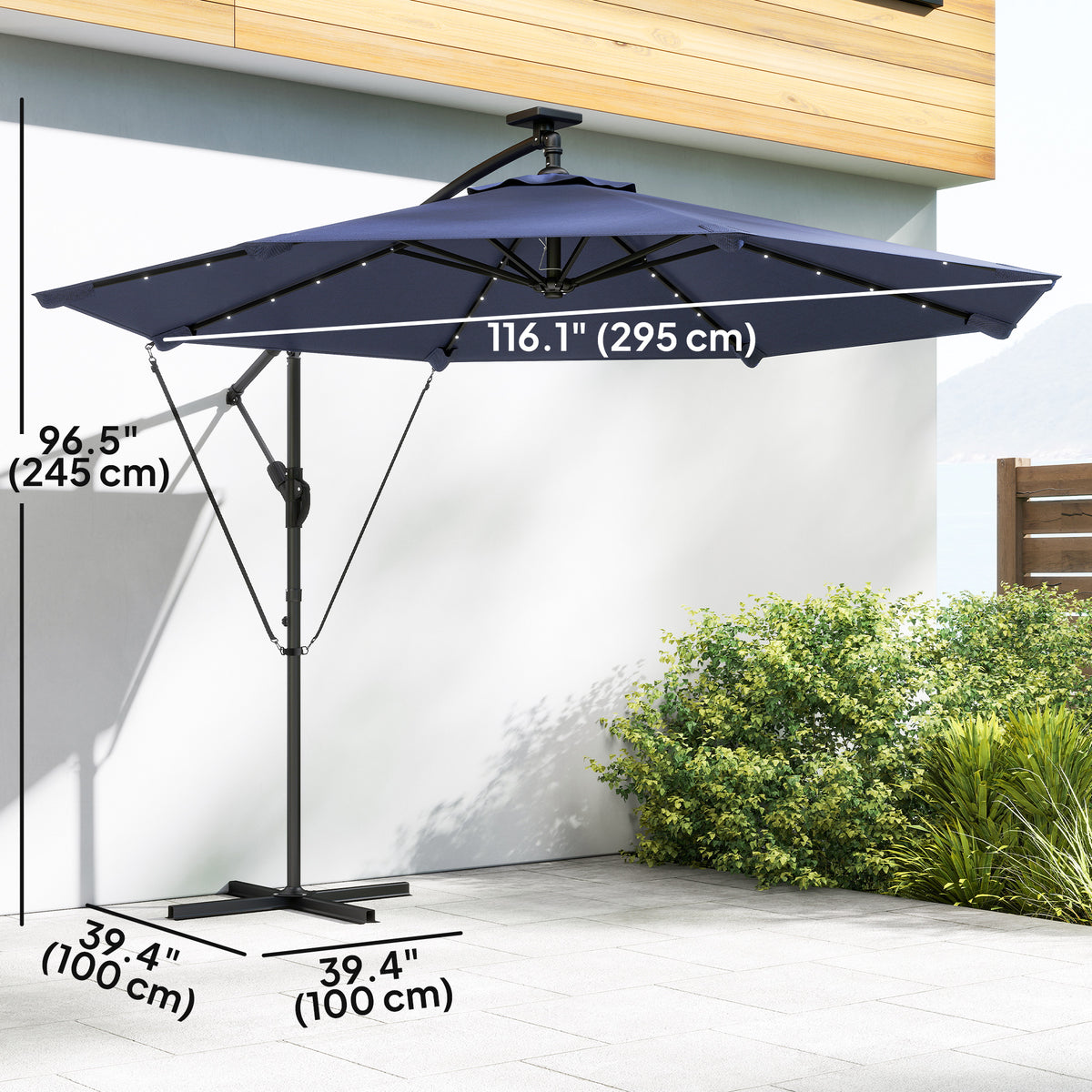
9.7ft Solar LED Cantilever Patio Umbrella with 32 LED Lights, Cross Base, Crank Handle, for Poolside, Deck, Dark Blue


15' Outdoor Patio Umbrella with Twin Canopy Sunshade Steel Table Umbrella with Lift Crank Beige
Hot Deal


9ft Solar Patio Umbrella Outdoor Sunshade 24 LED Lights Tilt Canopy Wine Red


9FT 3 Tiers Patio Umbrella Outdoor Market Umbrella with Crank, Push Button Tilt for Deck, Backyard and Lawn, Cream White


15' Outdoor Patio Umbrella with Twin Canopy Sunshade Steel Table Umbrella with Lift Crank Orange


8.8 ft Solar Powered Outdoor Patio Umbrella Round Market Table Umbrella with Adjustable LED Lights Tilt Crank Dark Grey
Summer Deal


6' x 10' Patio Umbrella with 22 LED Solar Lights and Tilt, Rectangular Outdoor Table Umbrella with Crank, Dark Grey


10 FT Cantilever Patio Umbrella with 360° Rotation & Adjustable Height, Cross Base, Crank and Tilt, Dark Green
Patio shade for decks, patios and poolsides
Valuhub Canada's patio shade collection brings together umbrellas, bases, gazebos and awnings that block the sun. The largest group is umbrella bases, followed by offset cantilever umbrellas and sun umbrellas, the classic outdoor umbrella. Gazebos, canopies, awnings and shade sails cover bigger areas.
Shoppers use this outdoor shade over deck dining tables, lounge corners and pool decks. Pair a patio umbrella with a patio furniture set to build a full shaded seating area.
Patio shade at a glance
Types of patio shade in this collection
The collection groups patio shade by how it holds and covers. The table below shows which type fits which job.
Umbrella bases and stands
An umbrella base, also called an umbrella stand, is the weight that keeps an umbrella upright in wind. The range has fillable plastic bases, resin bases, concrete bases and four-piece weight plates. Many hold water or sand, and some add wheels for moving. Match the pole diameter first, then pick a weight that suits your umbrella size.
Offset cantilever umbrellas
An offset cantilever umbrella hangs from a side pole, so no post blocks your table or seats. Most models here use an aluminum frame, a crank handle, tilt and 360 degree rotation. Many come with a cross base, a cover and a wind strap. They suit lounge areas, hot tubs and larger decks.
Sun umbrellas
A sun umbrella is the classic centre-pole style that fits through a table hole. Choices include 3-tier vented tops, double-sided twin-top canopies and rectangular tops. Some add solar LED lights or push-button tilt. These work well over bistro and dining tables on small patios and balconies.
Gazebos and canopies
Soft top gazebos and canopies shade a whole seating group, not one chair. Most use a steel frame with a fabric top and some add side walls or double roofs. They need a flat, open spot and anchoring. Choose one when you want rain cover as well as sun cover.
Awnings and shade sails
Retractable awnings mount to a wall over a door, window or deck. They roll back when you do not need them. Shade sails stretch between anchor points and cover large squares or triangles. Both save floor space, but they need firm mounting points, so measure your wall or posts first.
Check each product page for exact sizes, weights and parts included.
How do you choose patio shade?
Measure the area first
Mark the space you want covered. A 10 ft (3 m) umbrella shades roughly a 7 ft (2.1 m) circle at midday. Add clearance for chairs, which need about 3 ft (90 cm) behind a table.
Pick the shade style
Choose a cantilever umbrella to keep the middle clear. Choose a centre-pole sun umbrella for a table with a hole. Choose a gazebo or awning when you want cover for several people.
Match the base to the umbrella
Heavier umbrellas need heavier bases. Many cantilever umbrellas need a base near 100 lb to 160 lb (45 kg to 72 kg) when full. Check the pole diameter in inches and centimetres.
Check the fabric and frame
Look for UPF 50+ canopy fabric, an aluminum or steel frame and fibreglass ribs that flex in gusts. A wind strap and cover help the umbrella last through a Canadian season.
Plan for wind and winter
Close and strap umbrellas in strong wind. Take down fabric in snow season. Fold or store gazebo tops and awnings when winter loads could strain the frame.
Where does outdoor shade work best?
Outdoor shade works best over the spots where you sit longest. On a deck, an offset patio umbrella keeps a dining table clear of posts. Add a patio dining table underneath and the shade follows the meal.
Balconies and small patios do well with a compact sun umbrella and a light base. Shoppers short on floor space often choose a wall-mounted patio awning instead of a floor stand. It frees the whole floor.
Backyards with a lounge group or hot tub suit a gazebo or large cantilever umbrella. Browse gazebos for covered seating, or shade sails for open lawns and play areas.
How do you set up and care for a patio umbrella?
A patio umbrella lasts longer with a few simple habits. Fill the base fully before opening the canopy, and close the umbrella in strong wind or when you leave. Wipe fabric with mild soap and water, let it dry, and cover it for storage. Keep metal parts dry to protect the finish.
Shipping and returns: Orders over $150 ship free across Canada. Delivery details show on each product page. Unused items can be returned within 14 days of delivery under our returns policy.
Outdoor shade FAQs
What is the best shade for a small deck?
A compact sun umbrella or a wall-mounted awning is usually best for a small deck. Both save floor space. Pick a 7 ft to 9 ft umbrella (2.1 m to 2.7 m). Choose a base that fits the pole. The canopy then covers the table without crowding the chairs.
What is an offset patio umbrella?
An offset patio umbrella, also called a cantilever umbrella, hangs from a side pole instead of a centre pole. This leaves the area underneath open. It usually has a crank, tilt and rotation, and needs a heavy base or weight plates to stay stable.
How heavy should a patio umbrella base be?
A patio umbrella base should be heavy enough to hold the canopy in wind. Many centre-pole umbrellas need about 30 lb to 50 lb (14 kg to 23 kg). Cantilever umbrellas often need 100 lb (45 kg) or more once filled with water or sand.
Can you attach an umbrella to a deck?
Yes, a patio umbrella can attach to a deck with a deck-mount or rail-mount holder. A weighted base also works. Check your deck rules and the load rating first. A weighted base needs no drilling and moves easily.
How much shade does a 10 ft umbrella give?
A 10 ft (3 m) umbrella gives about 7 ft (2.1 m) of true shade at midday. The sun moves and the canopy tilts. Tilt the canopy through the day to follow the sun and keep the table covered.
Can I leave a patio umbrella up in winter?
No, take the canopy down for winter. Snow load and cold wind can bend ribs and tear fabric. Close the umbrella and remove the canopy if the model allows. Store it dry in a shed or garage until spring.
