

Closed Toe Compression Socks
Closed toe compression socks at Valuhub Canada cover the whole foot. The range includes knee high socks, thigh high stockings and pantyhose in 15-20 mmHg and 20-30 mmHg. It suits women, men and anyone on their feet all day or travelling.


Green Drop Herb-Infused 20-30 mmHg Knee High Closed Toe


JOBST ActiveWear 20-30 mmHg Knee High Closed Toe


JOBST Opaque 15-20 mmHg Knee High Closed Toe


JOBST Opaque 15-20 mmHg Thigh High Closed Toe


JOBST Opaque 20-30 mmHg Knee High Closed Toe


JOBST Opaque 20-30 mmHg Thigh High Closed Toe


JOBST Opaque Sensitive Band 15-20 mmHg Thigh High Closed Toe


JOBST Sport 15-20 mmHg Knee High Closed Toe


JOBST Sport 20-30 mmHg Knee High Closed Toe


JOBST UltraSheer 15-20 mmHg Knee High Closed Toe


JOBST UltraSheer 15-20 mmHg Thigh High Closed Toe


JOBST UltraSheer 20-30 mmHg Knee High Closed Toe


JOBST UltraSheer 20-30 mmHg Thigh High Closed Toe

Sigvaris 140 Traveno 15-20 mmHg Knee High Closed Toe for Women


Sigvaris 150 Linen 15-20 mmHg Knee High Closed Toe for Women


Sigvaris 150 Sea Island Cotton 15-20 mmHg Knee High Closed Toe for Women


Sigvaris 180 Microfiber Shades 15-20 mmHg Knee High Closed Toe for Men

Sigvaris 180 Traveno 15-20 mmHg Knee High Closed Toe for Men


Sigvaris 190 Linen 15-20 mmHg Knee High Closed Toe for Men


Sigvaris 190 Sea Island Cotton 15-20 mmHg Knee High Closed Toe for Men

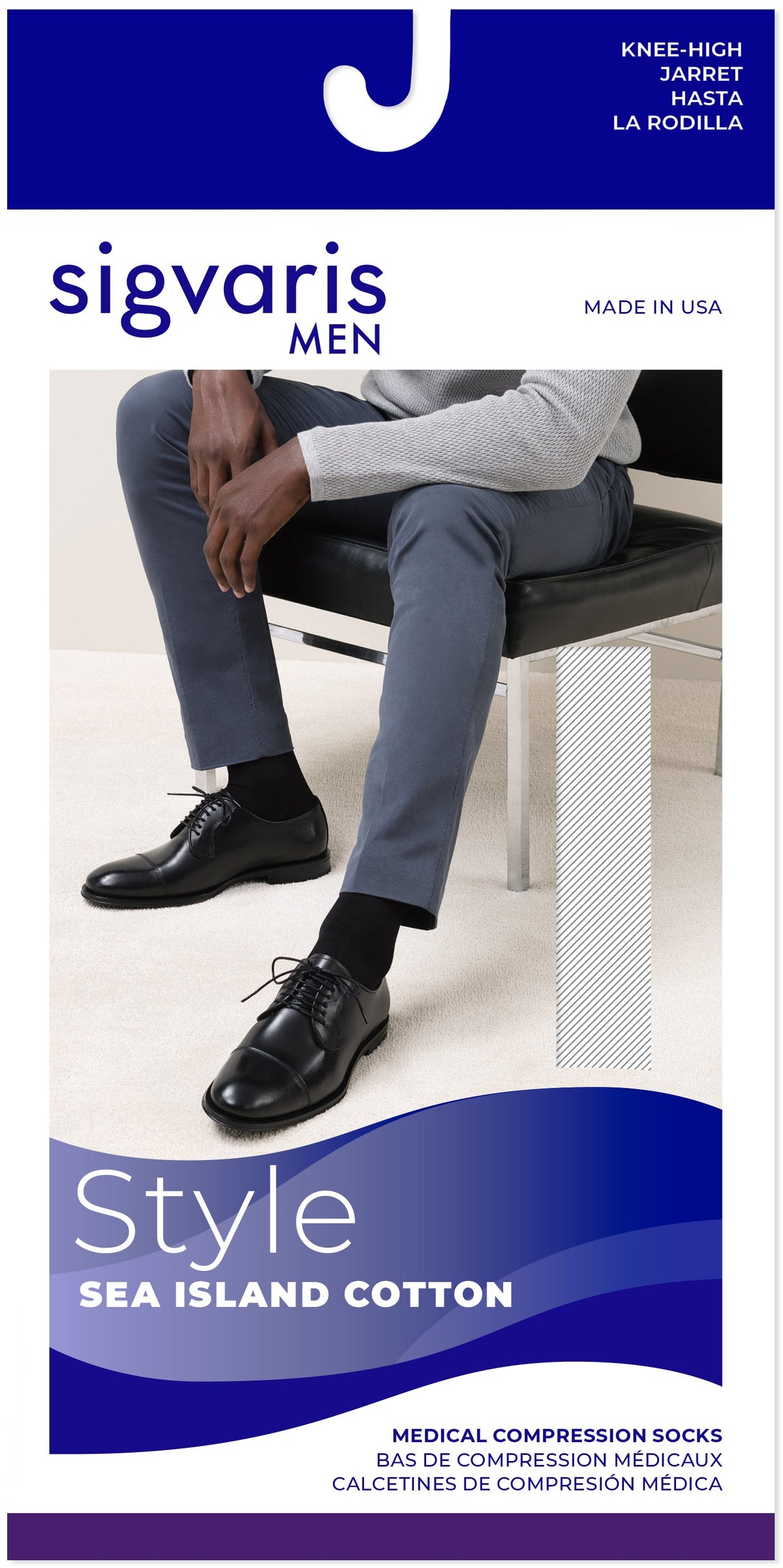
Sigvaris 220 Sea Island Cotton 20-30 mmHg Knee High Closed Toe for Men


Sigvaris 220 Sea Island Cotton 20-30 mmHg Knee High Closed Toe for Women


Sigvaris 230 Essential Cotton 20-30 mmHg Knee High Closed Toe for Men


Sigvaris 230 Essential Cotton 20-30 mmHg Knee High Closed Toe for Women


Sigvaris 240 Merino Wool 20-30 mmHg Knee High Closed Toe for Men


Sigvaris 240 Merino Wool 20-30 mmHg Knee High Closed Toe for Women


Sigvaris 250 Linen 20-30 mmHg Knee High Closed Toe for Men


Sigvaris 250 Linen 20-30 mmHg Knee High Closed Toe for Women


Sigvaris All Season Merino Wool 15-20 mmHg Knee High Closed Toe for Men


Sigvaris All Season Merino Wool 15-20 mmHg Knee High Closed Toe for Women


Sigvaris Athletic Recovery 15-20 mmHg Knee High Closed Toe for Men


Sigvaris Casual Cotton 15-20 mmHg Knee High Closed Toe for Men


Sigvaris Casual Cotton 15-20 mmHg Knee High Closed Toe for Women


Sigvaris Essential Cotton 20-30 mmHg Thigh High Closed Toe for Men


Sigvaris Essential Cotton 20-30 mmHg Thigh High Closed Toe for Women


Sigvaris Essential Opaque 20-30 mmHg Knee High Closed Toe for Men


Sigvaris Essential Opaque 20-30 mmHg Knee High Closed Toe for Women


Sigvaris Essential Opaque 20-30 mmHg Knee High Closed Toe Grip Top for Women


Sigvaris Essential Opaque 20-30 mmHg Knee High Closed Toe Plus Size for Women

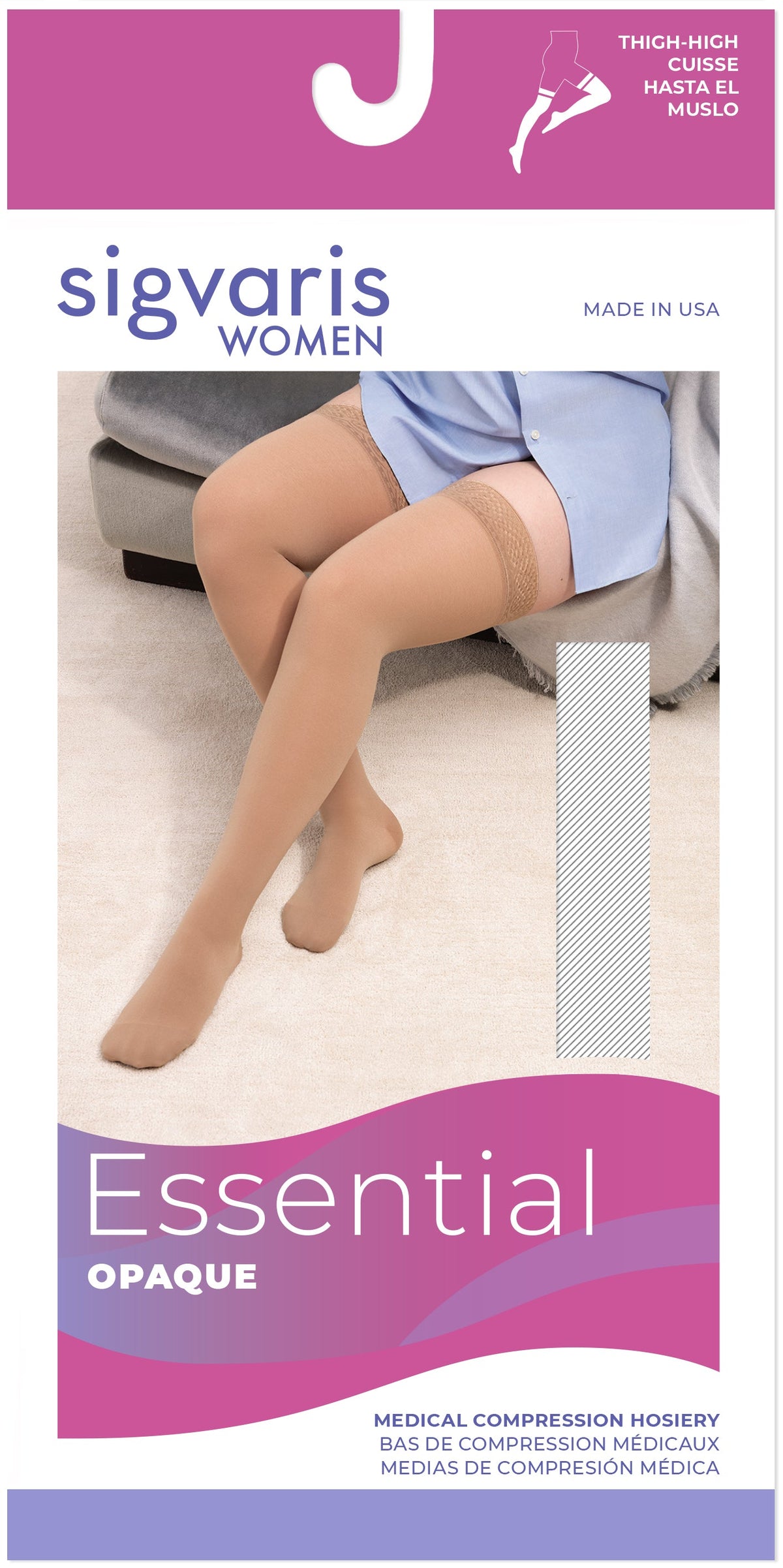
Sigvaris Essential Opaque 20-30 mmHg Thigh High Closed Toe for Women


Sigvaris Merino Outdoor Socks 15-20 mmHg Knee High Closed Toe for Men


Sigvaris Microfiber Shades 15-20 mmHg Knee High Closed Toe for Women


Sigvaris Motion Cushioned Cotton 20-30 mmHg Knee High Closed Toe for Men


Sigvaris Motion Cushioned Cotton 20-30 mmHg Knee High Closed Toe for Women


Sigvaris Motion Flow Tech 20-30 mmHg Knee High Closed Toe for Women


Sigvaris Motion High Tech 20-30 mmHg Knee High Closed Toe for Men


Sigvaris Motion Thermoregulating Wool 20-30 mmHg Knee High Closed Toe for Men


Sigvaris Sheer Fashion 15-20 mmHg Knee High Closed Toe for Women


Sigvaris Sheer Fashion 15-20 mmHg Pantyhose Closed Toe for Women


Sigvaris Sheer Fashion 15-20 mmHg Thigh High Closed Toe for Women
Closed toe compression socks for everyday leg support
Valuhub's closed toe compression socks collection offers knee high socks, thigh high stockings and pantyhose with full foot coverage. They are designed to support legs that feel tired or swollen by the end of the day. Most pairs come in two pressure levels, 15-20 mmHg and 20-30 mmHg.
Valuhub Canada stocks closed toe compression stockings for nurses, travellers and office workers. They also suit anyone who stands for long shifts. Prefer uncovered toes? See our open toe compression socks or the wider compression socks collection.
Closed toe compression stockings at a glance
Types of closed toe compression socks in this collection
The collection groups into four types. Each one covers the full foot and differs in leg length and use.
Knee high closed toe socks
Knee high styles are the largest group in this collection. They cover the foot and calf and stop just below the knee. Many come in cotton, Sea Island cotton, merino wool, linen or microfiber, in 15-20 mmHg and 20-30 mmHg. See more in our knee high compression socks.
Thigh high closed toe stockings
Closed toe thigh high compression stockings cover the foot and leg up to the upper thigh. They are designed for people who need support above the knee. Some have a sensitive band at the top, and many come in sheer, opaque or cotton knits. Browse all thigh high compression stockings for more styles.
Closed toe compression pantyhose
Compression pantyhose join both legs in one garment and reach the waist. A small group comes in sheer fashion and medium sheer knits. Both 15-20 mmHg and 20-30 mmHg are available. They suit dress and office wear when a sock line would show. Explore compression pantyhose for the full selection.
Sport and travel socks
Sport and travel designs are made for movement and long trips. This smaller group uses cushioned cotton, merino wool and technical knits. Some styles are made for recovery after workouts. Shop sport compression socks for more athletic options.
Check each product page for exact sizes, colours and care details.
How do you choose a pair of compression stockings with closed toes?
Pick the compression level
Graduated compression is tightest at the ankle and eases up the leg. 15-20 mmHg gives mild support for travel and standing. 20-30 mmHg is firmer. Ask a doctor, nurse or pharmacist which level fits you before choosing the higher one.
Measure your ankle and calf
Measure your ankle and the widest part of your calf in the morning, when swelling is lowest. Write down both in cm and inches, and add leg length for thigh high styles. Then match the numbers to the sizing chart on the product page.
Choose the length
Closed toe knee high compression socks suit most daily wear and are the easiest to pull on. Choose thigh high stockings when support above the knee is needed. Pick pantyhose when you want one garment from foot to waist.
Check the toe box and fabric
A good toe box lets toes lie flat without bunching inside your shoe. Cotton and linen feel familiar, microfiber is smooth and stretchy, and merino wool adds warmth for Canadian winters.
Think about grip and ease
Grip top bands help the cuff stay in place on some knee high and thigh high styles. Smooth microfiber and sheer knits often slide on more easily than thick cotton. That helps if pulling on socks is hard.
Where do closed toe compression socks work best?
Compression socks with a covered toe work well on long shifts for nurses, retail staff, teachers and warehouse workers. Full foot coverage fits inside work shoes, and cushioned cotton or microfiber knits stay comfortable for hours. Browse women's compression socks and men's compression socks for cuts made for each fit.
Travel is another common use. Compression socks for travel are most often 15-20 mmHg knee high styles, designed to help legs feel less heavy. Pack a spare pair, and check with your healthcare provider first if you have circulation concerns.
Cooler weather suits a covered toe in particular. Merino wool compression socks and cotton knits keep toes warm in boots, while sheer knits pair with dress shoes. You can also compare by pressure in 15-20 mmHg compression socks or 20-30 mmHg compression socks.
How do you fit and care for compression stockings?
Compression stockings go on best in the morning, before swelling builds. Turn the sock inside out to the heel and slip the foot in. Roll it up the leg and smooth out wrinkles. Wash in cool water and air dry to protect the stretch. Replace a pair once it feels loose, and follow the care label on each product. Medical compression stockings in higher levels are best fitted with a professional's help.
Shipping and returns: Free shipping on orders over $150. Delivery details show on each product page. Returns are accepted within 14 days of delivery, as set out in our refund policy.
Closed toe compression sock FAQs
What are closed toe compression socks?
Closed toe compression socks are graduated compression garments that cover the whole foot, including the toes. They are tightest at the ankle and ease up the leg. They are designed to support circulation and reduce leg fatigue during standing, walking and travel.
Open toe vs closed toe compression socks: which should I choose?
Choose a closed toe if you want warmth, full foot coverage and a fit that works with everyday shoes. Choose open toe if you wear sandals, have long toes or need to check your toes often. Both styles come in the same pressure levels.
Should I get 15-20 or 20-30 mmHg compression socks?
The 15-20 mmHg level is a mild support for travel, standing and minor leg tiredness. The 20-30 mmHg level is firmer and is often used for more noticeable symptoms. Ask a healthcare professional before choosing 20-30 mmHg.
How tight should compression stockings feel?
Compression stockings should feel snug and firm, tightest at the ankle, but never painful. Skin should not dig, roll or tingle. If a pair feels numb or too tight, take it off and check the size against the sizing chart.
Who should check with a doctor before wearing compression?
Check with a healthcare professional first if you have diabetes or reduced foot feeling. The same goes for past blood clots or poor arterial blood flow. Compression is not right for everyone, and the correct level depends on your health.
Are closed toe styles good for travel?
Yes, many people wear covered toe compression socks on long flights and drives. A 15-20 mmHg knee high sock is a common choice. Put them on before the trip and walk when you can. Ask a healthcare provider first if you have circulation concerns.
