

Canes & Crutches
Walking canes at Valuhub Canada include folding, seat and aluminum models, plus underarm crutches for adults and youth. Many adjust in height. They are designed to help with balance, recovery and daily walks.


Adjustable Flashlight Cane with Built-In Siren, 250 lb

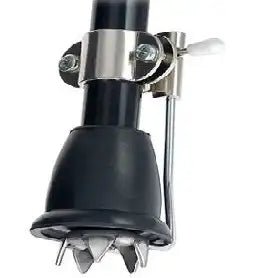
Cane Ice Tip, Flip-Up Winter Traction Attachment

EZee Life Aluminum Cane, "T" Handle

EZee Life Aluminum Cane, Ergonomic Offset Handle, 300 lb


EZee Life Aluminum Cane, Padded Round Handle, 300 lb


EZee Life Tripod Seat Cane, Fold-Up Seat, 220 lb


Folding Adjustable Height Cane, 250 lb Capacity


Lightweight Adjustable Folding Cane Seat with Light-Blue


Lightweight Adjustable Folding Cane Seat with Light-Brown

ProBasics Aluminum Underarm Crutches, Adult, 350 lb

ProBasics Aluminum Underarm Crutches, Youth, 350 lb
Walking canes and crutches for balance and recovery
Valuhub's walking canes collection brings together canes and crutches designed to help with balance, support and recovery. The range covers aluminum canes with T handle, offset and padded handles, folding and seat canes, and underarm crutches. Many models adjust in height, and a flip-up ice tip suits winter.
Canes suit adults who want steadier steps indoors and out. Crutches suit people recovering from a lower-body injury. For larger aids, see our mobility aids and rollators and walkers. A healthcare provider can advise on the right aid and any weight-bearing limits.
Canes and crutches at a glance
Types of walking canes and crutches in this collection
The range falls into five groups by use. Folding and seat canes lead, followed by fixed aluminum canes, a light-up cane, crutches and an ice tip.
Folding and seat canes
Folding and seat canes are the largest group here. A folding cane packs into a bag for travel. A cane with seat opens a small seat for rest breaks. The range includes a folding adjustable height cane rated 250 lb (113 kg). A tripod cane with a fold-up seat is rated 220 lb (100 kg). Two lightweight folding cane seats complete the group.
Aluminum canes with T, offset and padded handles
Aluminum canes keep weight low and come in three handle styles. A T handle is a classic shape. The ergonomic offset cane handle places your hand over the shaft. The padded round handle adds comfort for long walks. The offset and padded models are rated 300 lb (136 kg).
Adjustable flashlight cane with siren
The adjustable flashlight cane adds a built-in light and a built-in siren. The light helps with evening walks and dark hallways. The siren can call for attention. This model is rated 250 lb (113 kg) and suits people who walk outdoors after dark.
Underarm crutches for adults and youth
Underarm crutches are aluminum and come in adult and youth sizes. Both are rated 350 lb (159 kg). Crutches are designed to take weight off one leg during recovery. Follow your healthcare provider's weight-bearing instructions, and ask about fit before first use.
Ice tip attachment
The cane ice tip is a flip-up winter traction attachment. It helps with grip on ice and packed snow. A cane ice tip is worth having for Canadian winters, because sidewalks can stay slick for months.
Check each product page for exact sizes, heights and weight limits.
How do you choose a walking cane?
Set the height first
Stand upright with your arms relaxed. The handle should meet your wrist crease. Your elbow should bend about 20 to 30 degrees when you hold the grip. An adjustable cane lets you fine-tune the fit.
Pick a handle that suits your hand
A T handle is simple and familiar. An ergonomic offset handle places weight straight over the shaft. A padded handle helps if your hand tires. Hold a few shapes if you can, and pick the one that feels steady.
Check the weight capacity
Ratings in this range run from 220 lb (100 kg) to 350 lb (159 kg). Choose a rating above your body weight, with some margin. Also consider the weight of anything you carry.
Choose fixed, folding or seat
A fixed aluminum cane is simple and light. A folding cane is easier to pack. A cane with seat gives a rest stop, but the seat adds some weight and size. Match the style to how far you walk.
Plan for winter
Icy sidewalks are common across Canada from November to March. A flip-up ice tip adds grip. Check the tip often, and swap worn tips before they wear smooth.
Where do walking canes work best?
A lightweight aluminum cane works best for daily walks at home and around the neighbourhood. It is easy to lift and sits well in a hallway or entry. Browse more daily support products in our health and mobility collection.
Folding canes and seat canes work best for travel, appointments and long outings. A folding cane fits in a bag or under a seat. A cane with seat helps when you wait in line or stop at a park bench.
Crutches and ice tips work best for short-term recovery and winter walks. If you need more support than a cane gives, compare rollator walkers or wheelchairs.
How do you set up and care for a walking cane?
Set the height before the first use, then press the adjustment button until it clicks into place. Check the rubber tip every week, because a worn tip can slip. Wipe the frame with a damp cloth and dry it. Store the cane upright in a dry spot, and keep folding joints free of dirt.
Shipping and returns: Valuhub Canada ships orders over $150 free. Delivery details show on each product page. Returns are accepted within 14 days of delivery, as set out in the refund policy.
Cane FAQs
Which hand should I hold a cane in?
Hold the cane in the hand opposite your weaker leg. Move the cane and the weaker leg forward together, then step through with the stronger leg. This keeps your weight balanced. Ask a physiotherapist to check your technique if you are unsure.
How do I set the height of a walking cane?
Stand upright in your usual shoes with relaxed arms. Adjust the cane so the handle meets your wrist crease. Your elbow should bend slightly when you hold the grip. Press the adjustment button until it clicks into the hole. Check that it is locked before you lean on the cane.
What is the difference between a cane and crutches?
A cane gives light support for balance. Crutches are designed to take weight off a leg during recovery. Choose based on how much support you need. Follow your healthcare provider's weight-bearing instructions before you pick an aid. Ask them about fit as well.
Are folding canes strong enough for daily use?
A folding walking cane is designed to lock firmly when open. Check the weight rating on the product page before you buy. Make sure every section clicks fully into place before each use, and inspect the joints often for wear.
Do I need a cane with a seat?
A cane with seat suits people who need a rest during outings. The seat folds out and the tripod base steadies it. A seat adds weight and size, so a plain cane is lighter. Choose based on how far you walk.
Can I use a cane on ice and snow?
A cane ice tip adds grip on icy sidewalks. Flip the tip down for ice and flip it up indoors. Walk slowly and take short steps in winter. Replace the tip if it wears smooth, because it will lose grip.
How do I choose the right height for underarm crutches?
Stand upright and place the crutch tips about 15 cm (6 in) out from your feet. The top pad should sit about 5 cm (2 in) below your armpit. The hand grip should meet your wrist crease. Your elbow should bend slightly.
