

20-30 mmHg Compression Socks
20-30 mmHg compression socks at Valuhub Canada offer knee-high, thigh-high and pantyhose styles with firm, graduated support. The range covers women's, men's, sport, plus size and maternity styles. Free shipping applies on orders over $150.


Green Drop Herb-Infused 20-30 mmHg Knee High Closed Toe


JOBST ActiveWear 20-30 mmHg Knee High Closed Toe


JOBST Opaque 20-30 mmHg Knee High Closed Toe


JOBST Opaque 20-30 mmHg Thigh High Closed Toe


JOBST Sport 20-30 mmHg Knee High Closed Toe


JOBST UltraSheer 20-30 mmHg Knee High Closed Toe


JOBST UltraSheer 20-30 mmHg Thigh High Closed Toe

JOBST UltraSheer Lace Band 20-30 mmHg Thigh High Open Toe Petite

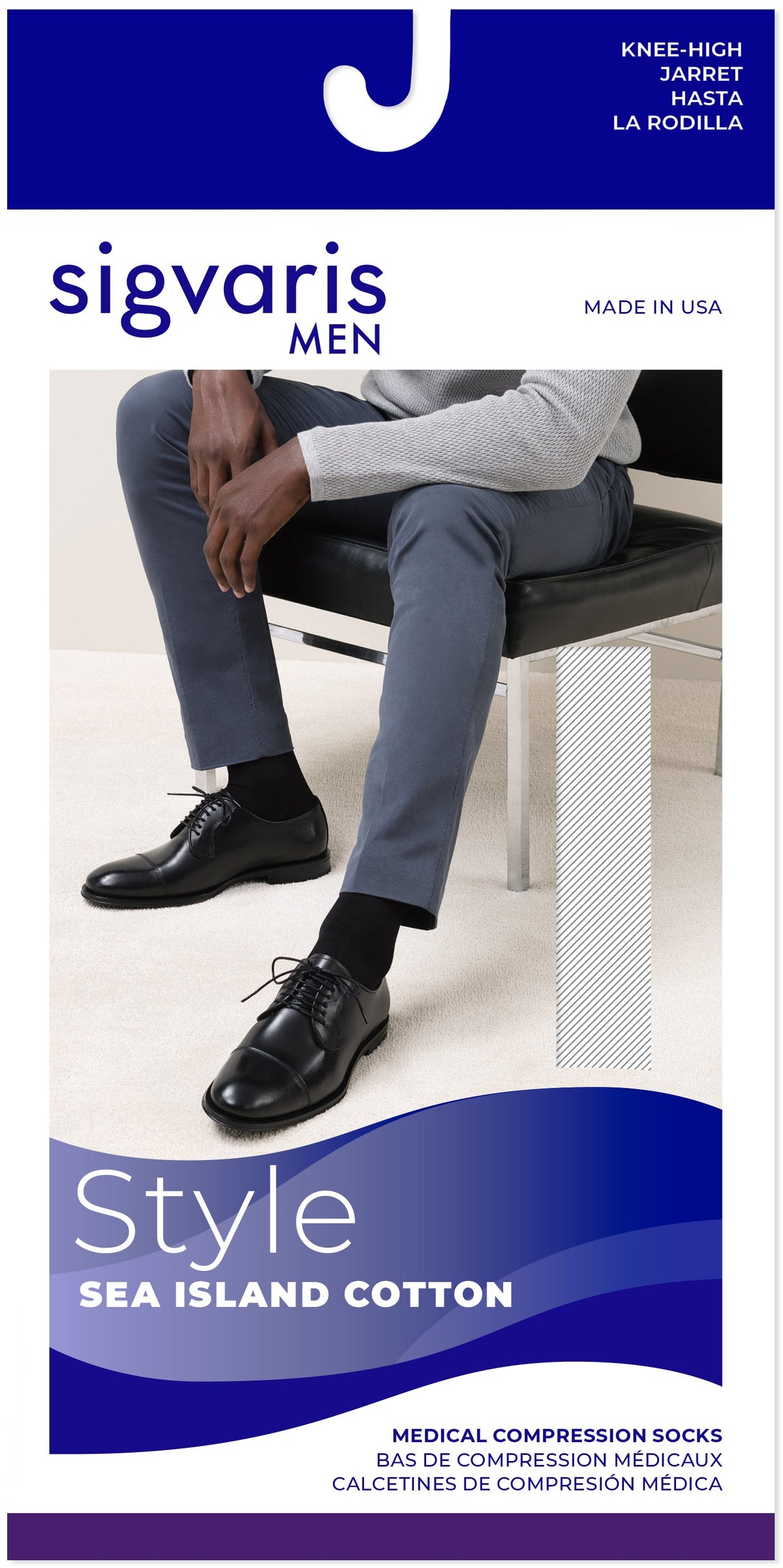
Sigvaris 220 Sea Island Cotton 20-30 mmHg Knee High Closed Toe for Men


Sigvaris 220 Sea Island Cotton 20-30 mmHg Knee High Closed Toe for Women


Sigvaris 230 Essential Cotton 20-30 mmHg Knee High Closed Toe for Men


Sigvaris 230 Essential Cotton 20-30 mmHg Knee High Closed Toe for Women


Sigvaris 240 Merino Wool 20-30 mmHg Knee High Closed Toe for Men


Sigvaris 240 Merino Wool 20-30 mmHg Knee High Closed Toe for Women


Sigvaris 250 Linen 20-30 mmHg Knee High Closed Toe for Men


Sigvaris 250 Linen 20-30 mmHg Knee High Closed Toe for Women


Sigvaris Essential Cotton 20-30 mmHg Thigh High Closed Toe for Men


Sigvaris Essential Cotton 20-30 mmHg Thigh High Closed Toe for Women


Sigvaris Essential Opaque 20-30 mmHg Knee High Closed Toe for Men


Sigvaris Essential Opaque 20-30 mmHg Knee High Closed Toe for Women


Sigvaris Essential Opaque 20-30 mmHg Knee High Closed Toe Grip Top for Women


Sigvaris Essential Opaque 20-30 mmHg Knee High Closed Toe Plus Size for Women


Sigvaris Essential Opaque 20-30 mmHg Knee High Open Toe Grip Top for Men


Sigvaris Essential Opaque 20-30 mmHg Knee High Open Toe Plus Size for Men

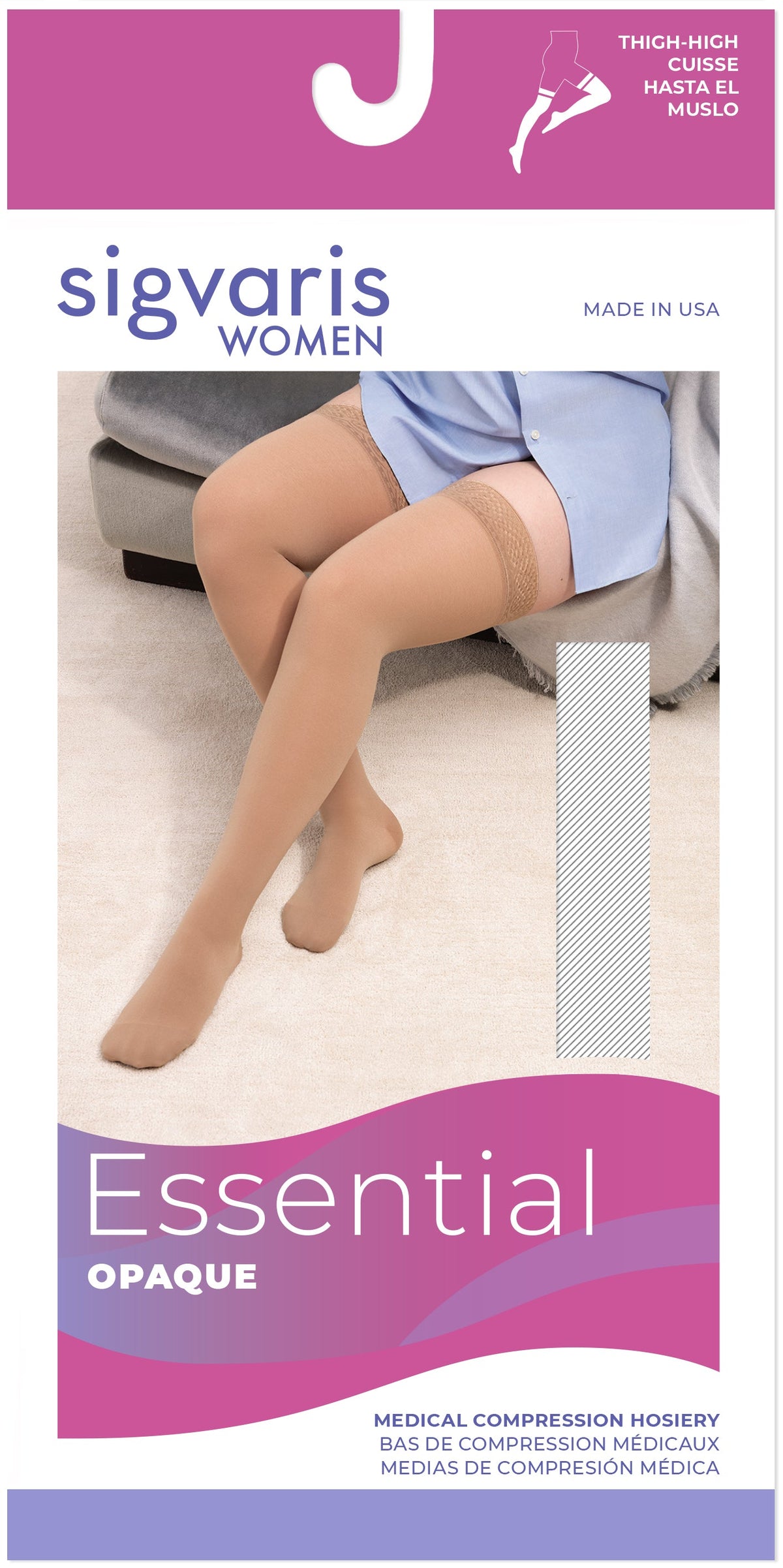
Sigvaris Essential Opaque 20-30 mmHg Thigh High Closed Toe for Women


Sigvaris Essential Opaque 20-30 mmHg Thigh High Open Toe for Men


Sigvaris Motion Cushioned Cotton 20-30 mmHg Knee High Closed Toe for Men


Sigvaris Motion Cushioned Cotton 20-30 mmHg Knee High Closed Toe for Women


Sigvaris Motion Flow Tech 20-30 mmHg Knee High Closed Toe for Women


Sigvaris Motion High Tech 20-30 mmHg Knee High Closed Toe for Men


Sigvaris Motion Thermoregulating Wool 20-30 mmHg Knee High Closed Toe for Men


Sigvaris Style Medium Sheer 20-30 mmHg Knee High Closed Toe for Women


Sigvaris Style Medium Sheer 20-30 mmHg Pantyhose Closed Toe for Women

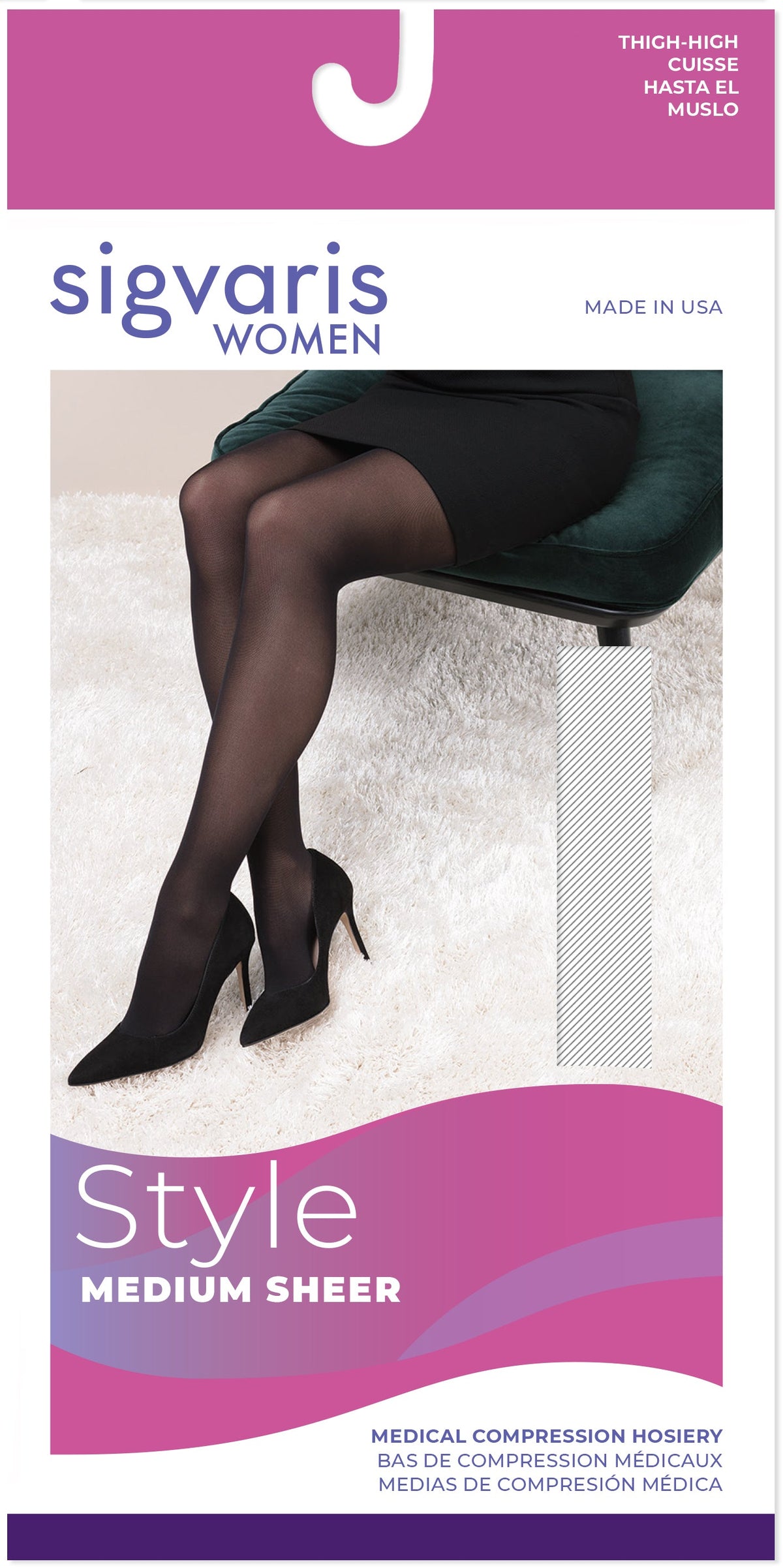
Sigvaris Style Medium Sheer 20-30 mmHg Thigh High Closed Toe for Women


Sigvaris Style Microfiber 20-30 mmHg Knee High Closed Toe for Men


Sigvaris Style Microfiber 20-30 mmHg Knee High Closed Toe Grip Top for Men


Sigvaris Style Microfiber 20-30 mmHg Thigh High Closed Toe for Men


Sigvaris Style Microfiber Patterns 20-30 mmHg Knee High Closed Toe for Men


Sigvaris Style Microfiber Patterns 20-30 mmHg Knee High Closed Toe for Women


Sigvaris Style Soft Opaque 20-30 mmHg Knee High Closed Toe for Women


Sigvaris Style Soft Opaque 20-30 mmHg Knee High Closed Toe Grip Top for Women


Sigvaris Style Soft Opaque 20-30 mmHg Pantyhose Closed Toe for Women


Sigvaris Style Soft Opaque 20-30 mmHg Pantyhose Open Toe for Women


Sigvaris Style Soft Opaque 20-30 mmHg Thigh High Closed Toe for Women


Sigvaris Style Soft Opaque 20-30 mmHg Thigh High Open Toe for Women


Sigvaris Style Soft Opaque Maternity 20-30 mmHg Pantyhose Closed Toe for Women
20-30 mmHg compression socks for firm daily support
Valuhub's 20-30 mmHg compression socks collection offers firm graduated socks, stockings and pantyhose for people choosing a firmer level. Most pairs are closed toe, and some are open toe, grip top or plus size. Styles run from sheer and opaque to cotton, linen, merino wool and microfiber.
Shoppers choose this level for long days on their feet, vein concerns discussed with a clinician, and recovery. Valuhub Canada carries it in women's, men's and unisex fits. If you are new to compression, the 15-20 mmHg compression socks are a lighter place to start.
20-30 mmHg compression at a glance
Types of compression socks in the 20-30 mmHg range
The 20-30 mmHg range has five main types. Each type gives the same pressure, so your choice comes down to leg coverage, fit features and fabric.
Knee-high compression socks
20-30 mmHg knee high compression socks are the largest group in this range. They cover the foot, ankle and calf, and most are closed toe. Styles include opaque and cotton socks, Sea Island cotton, linen, merino wool and microfiber pairs, for men and women. See the full knee high compression socks collection.
Thigh-high compression stockings
20-30 mmHg thigh high compression stockings reach the top of the thigh for support above the knee. Pairs come in closed toe and open toe, sheer and opaque, for women and men. A petite fit has a lace band. Browse all thigh high compression stockings.
Pantyhose and maternity
20-30 mmHg pantyhose give waist-high leg compression in one garment. Styles for women are sheer or soft opaque, in closed toe and open toe. One maternity style is included. Find more in compression pantyhose.
Sport and active socks
Sport and active socks are knee-high pairs built for movement. Choices include cushioned cotton, flow tech and thermoregulating wool, plus JOBST sport and activewear socks. Browse sport compression socks for more.
Grip top and plus size fits
Grip top pairs have a band designed to help the sock stay in place. Opaque and microfiber styles suit men and women. Plus size knee-high socks are cut for a fuller calf. They come closed toe for women and open toe for men.
Check each product page for exact sizes, fabrics and toe styles.
How do you choose 20-30 mmHg compression socks?
Confirm the level first
20-30 mmHg is a firm level. Ask a doctor or pharmacist before you buy. Take extra care with diabetes, neuropathy, heart problems or poor leg circulation. A firmer sock is not always a better sock.
Measure your ankle and calf
Firm socks depend on a good fit. Measure your narrowest ankle and widest calf in cm and inches, ideally in the morning. Compare both numbers with the size chart, and measure each leg.
Pick the length that covers the problem area
Knee high covers the ankle and calf. Choose thigh high or pantyhose when a clinician advises support above the knee. Maternity pantyhose are made for pregnancy, so check the style before you order.
Look at fit features
Firm socks can be harder to put on. Open toe, grip top and plus size styles change how a sock fits and feels. Choose the features that match your legs, your shoes and how easily you can pull on a snug sock.
Compare the two common levels
Comparing 15-20 vs 20-30 mmHg compression socks comes down to how much support you need. 15-20 mmHg is lighter and suits everyday comfort. 20-30 mmHg is firmer and is usually chosen on a clinician's advice.
Where do 20-30 mmHg compression socks work best?
Compression socks 20-30 mmHg suit people who spend long days standing, such as nurses, hairdressers, teachers and retail staff. Choose a closed toe knee-high pair in an opaque or cotton finish for work shoes. Browse women's compression socks and men's compression socks for your fit.
Firm compression is also worn for vein and swelling concerns when a clinician recommends it. These socks are designed to help with heavy, tired legs and swelling, including leg symptoms linked to varicose veins. They do not treat a condition on their own, so follow your doctor's advice.
Sigvaris and JOBST pairs fill this collection. Shop the Sigvaris range or the JOBST range if you already know your brand. Toe style matters too, so see closed toe compression socks and open toe compression socks.
How do you put on and care for compression socks?
Firm compression socks go on best in the morning, when legs are least swollen. Turn the sock inside out to the heel and slide your foot in. Then ease the fabric up the leg without bunching. Wash the pair as its care label says, and let it dry away from direct heat. Replace a pair when it stretches out or no longer feels snug.
Compression socks are not a substitute for medical advice. Talk to a doctor or pharmacist before you wear firm levels. Ask for help if you notice pain, numbness or colour changes.
Shipping and returns: Valuhub offers free shipping on orders over $150. Returns are accepted within 14 days of delivery under the refund policy. Delivery details show on each product page.
20-30 mmHg compression FAQs
What does 20-30 mmHg mean on compression socks?
The number shows how much pressure the sock applies, measured in millimetres of mercury. A 20-30 mmHg sock is firm and graduated. It presses most at the ankle and eases up the calf. It is a step above light 15-20 mmHg support and is usually chosen with advice from a clinician.
Should I get 15-20 or 20-30 mmHg compression socks?
Choose 15-20 mmHg for everyday comfort, travel and mild leg tiredness. Choose 20-30 mmHg when a doctor or pharmacist recommends firmer support, for example for noticeable swelling. A higher number is not always better. Firmer socks are harder to put on and may not suit everyone.
Are firm compression socks good for varicose veins?
Clinicians often suggest this firm level for symptoms linked to varicose veins, such as heavy, aching legs and swelling. These socks are designed to help with those symptoms, not to cure the condition. Ask your doctor or pharmacist which level suits your legs before you buy.
Should I wear compression socks at this level if I have neuropathy?
Ask your doctor first. Reduced feeling in the feet means a tight sock could cause harm without you noticing. A clinician can tell you whether this level, a lighter one or none is safest.
Is 20-30 mmHg compression too tight for everyday wear?
Firm 20-30 mmHg socks feel snug, especially at the ankle, but they should not hurt or cut off feeling. Many people wear this level every day once they find the right size. Take the socks off and ask a clinician if you notice numbness, tingling or colour changes.
What is the difference between knee-high and thigh-high compression?
Knee-high socks cover the foot, ankle and calf. Thigh-high stockings add the knee and thigh, so they suit people who need support above the knee. Pantyhose cover the whole leg to the waist. Your clinician can tell you which length matches your symptoms.
How do you size 20-30 mmHg compression stockings?
Measure the narrowest part of your ankle and the widest part of your calf with a soft tape. For thigh high pairs, check the thigh and leg length on the size chart too. Record every number in cm and inches, and measure both legs. Ask a pharmacist if you fall between sizes.
