

Thigh High Compression Stockings
Thigh high compression stockings from Valuhub Canada support tired, swollen legs from ankle to upper thigh. The range offers 15-20 and 20-30 mmHg in closed toe and open toe styles. Fits cover women, men and unisex sizing, in sheer, opaque and cotton fabrics.


JOBST Opaque 15-20 mmHg Thigh High Closed Toe


JOBST Opaque 20-30 mmHg Thigh High Closed Toe


JOBST Opaque Sensitive Band 15-20 mmHg Thigh High Closed Toe


JOBST UltraSheer 15-20 mmHg Thigh High Closed Toe


JOBST UltraSheer 20-30 mmHg Thigh High Closed Toe

JOBST UltraSheer Lace Band 20-30 mmHg Thigh High Open Toe Petite


Sigvaris Essential Cotton 20-30 mmHg Thigh High Closed Toe for Men


Sigvaris Essential Cotton 20-30 mmHg Thigh High Closed Toe for Women

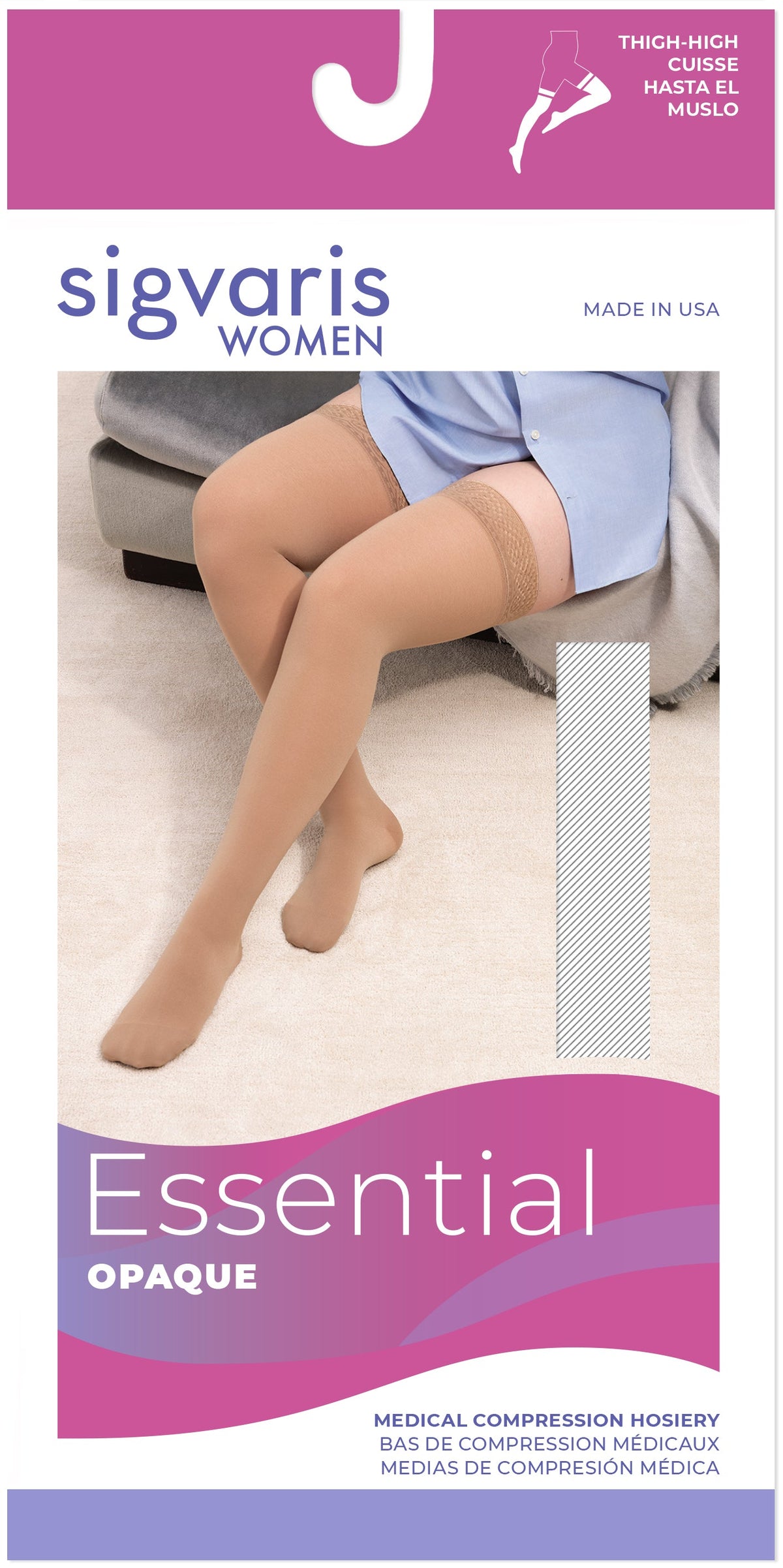
Sigvaris Essential Opaque 20-30 mmHg Thigh High Closed Toe for Women


Sigvaris Essential Opaque 20-30 mmHg Thigh High Open Toe for Men


Sigvaris Sheer Fashion 15-20 mmHg Thigh High Closed Toe for Women

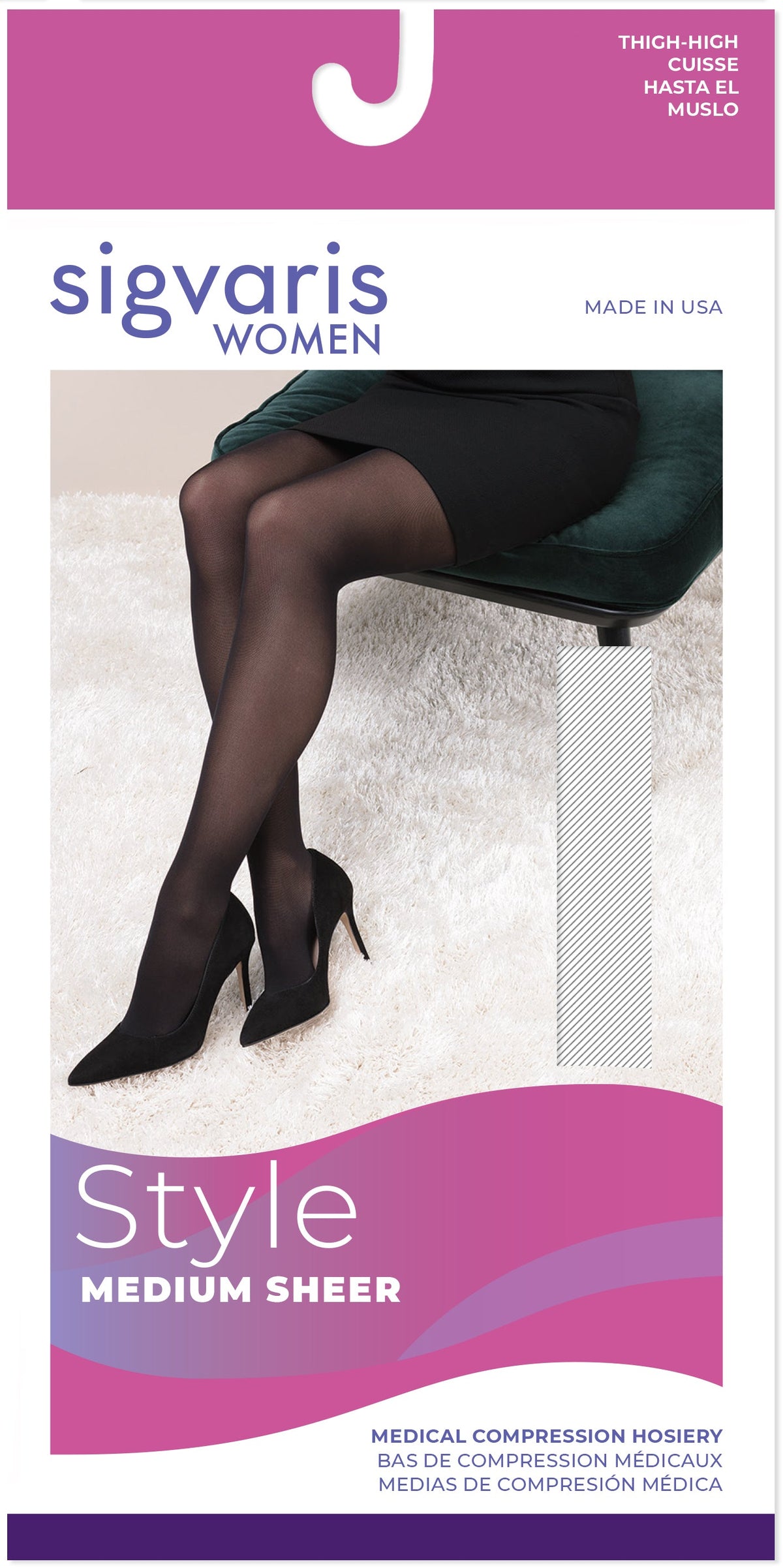
Sigvaris Style Medium Sheer 20-30 mmHg Thigh High Closed Toe for Women


Sigvaris Style Microfiber 20-30 mmHg Thigh High Closed Toe for Men


Sigvaris Style Sheer 15-20 mmHg Thigh High Open Toe for Women


Sigvaris Style Soft Opaque 15-20 mmHg Thigh High Closed Toe for Women


Sigvaris Style Soft Opaque 20-30 mmHg Thigh High Closed Toe for Women


Sigvaris Style Soft Opaque 20-30 mmHg Thigh High Open Toe for Women
Thigh high compression socks for all-day leg support
Valuhub's thigh high compression stockings collection brings together graduated hosiery that reaches the upper thigh. These stockings are designed to support circulation and ease tired, swollen legs. Each style shows its compression level, toe style and fit on the product page.
Valuhub Canada offers them for shoppers who stand all day, travel often or want firm leg support under clothes. Shorter lengths are in our knee high compression socks collection.
Thigh high compression stockings at a glance
Types of thigh high stockings in this collection
Thigh high stockings in this range differ by toe style, fabric and fit. Use the groups below to narrow your choice.
Closed toe thigh high compression stockings
Closed toe styles are the largest group in this range. They cover the whole foot, so the fabric stays smooth from toe to thigh. Most are sold at 20-30 mmHg, with some at 15-20 mmHg. They suit daily wear in shoes and under trousers. Our closed toe compression socks collection has more lengths.
Open toe thigh high compression stockings
Open toe styles leave the toes free. This helps with sandals, wider toes or toe checks at home. The range includes open toe styles in 15-20 mmHg and 20-30 mmHg, for women and men. You can also browse open toe compression socks in other lengths.
Sheer and fashion thigh highs
Sheer thigh highs look like regular hosiery but still apply graduated compression. Styles such as Sheer Fashion and UltraSheer come in 15-20 mmHg and 20-30 mmHg. They suit work clothes and dresses. Some styles use a lace band or a sensitive band at the top.
Opaque, cotton and microfiber thigh highs
Opaque thigh highs use a thicker, solid fabric that hides veins and skin tone. The range also has cotton and microfiber styles for firmer, everyday wear. Many are 20-30 mmHg. They suit cooler weather, long shifts and shoppers who want a softer feel.
Thigh highs for men and unisex fits
Several thigh high styles are cut for men or for any wearer, in 20-30 mmHg. Check the title for Men, Women or Unisex before you order. Browse men's compression socks or women's compression socks for more choices.
Check each product page for exact sizes, compression level and fabric.
How do you choose the right thigh high stockings?
Pick the compression level
A level of 15-20 mmHg is lighter and suits travel and tired legs. A level of 20-30 mmHg is firmer and suits daily swelling. Talk with a healthcare provider if you are unsure which level fits your needs.
Measure your legs
Measure ankle, calf and upper thigh circumference in centimetres and inches. Also measure leg length from the floor to the upper thigh. Measure in the morning, when swelling is lowest, then compare with the size chart.
Choose a toe style
Closed toe stockings give smooth coverage inside shoes. Open toe stockings suit sandals and wider toes. Pick the style you will wear most often so the stockings stay comfortable all day.
Check the top band
A silicone band or a lace band helps a thigh high stocking stay up. A sensitive band is gentler on skin. Look for a band that sits flat and does not roll or pinch at the upper thigh.
Match fabric to your day
Sheer fabric looks like normal hosiery and suits the office. Opaque, cotton and microfiber fabrics feel thicker and suit long shifts or cooler weather. Choose the fabric that fits your clothes and routine.
Where do thigh high compression socks work best?
Thigh high compression socks work well for jobs that keep you on your feet. Nurses, teachers, retail staff and hairdressers often choose them for long shifts. The extra length covers the thigh as well as the calf, so the support reaches the whole leg.
Travel is another common use. Long flights and car rides mean hours of sitting. Many travellers wear 15-20 mmHg thigh highs to help with swelling. Pair them with regular walks. Our 15-20 mmHg compression socks collection has lighter options.
Daily wear is a third setting. Shoppers with swelling or varicose veins often ask a healthcare provider about firmer levels. The 20-30 mmHg compression socks collection lists more firm styles in other lengths.
How do you put on and care for a thigh high stocking?
Put on a thigh high stocking first thing in the morning, before your legs swell. Turn it inside out down to the heel. Slip on the foot, then roll it up the leg in small steps. Wash it by hand or on a gentle cycle, air dry it, and avoid fabric softener. Stockings at 20-30 mmHg are firm medical compression stockings, so choose them with advice from a healthcare provider.
Shipping and returns: Orders over $150 ship free across Canada. Delivery details show on each product page. Unused items can be returned within 14 days of delivery. Read the refund policy.
Thigh high compression stocking FAQs
What is the difference between thigh high and knee high compression socks?
Thigh high compression socks reach the upper thigh, so they support the whole leg. Knee high socks stop below the knee and support the calf and ankle. Choose thigh highs when swelling or discomfort reaches above the knee. Ask a healthcare provider if you are unsure.
What do 15-20 mmHg and 20-30 mmHg mean?
The numbers show how much pressure the stocking applies at the ankle, in millimetres of mercury. A level of 15-20 mmHg gives light support. A level of 20-30 mmHg gives firmer support. Pressure is highest at the ankle and eases toward the thigh.
How many hours a day should you wear compression stockings?
Many people wear compression stockings during the day and take them off at bedtime. Wear time depends on your needs. Follow the advice of your healthcare provider, and remove the stockings if you feel numbness, tingling or pain.
How do you measure for thigh high compression stockings?
Use a soft tape to measure the ankle, the widest part of the calf and the upper thigh. Add leg length from floor to upper thigh. Record centimetres and inches. Measure in the morning and compare the numbers with the size chart on the product page.
How do you wash thigh high compression stockings?
Wash them by hand in warm water with mild soap, or on a gentle cycle in a mesh bag. Rinse well, press out water and air dry flat. Avoid bleach, fabric softener and high heat, because they can wear down the elastic.
Who should not wear compression stockings?
Some people should avoid compression stockings. An example is when a healthcare provider has warned against them for circulation or skin reasons. Ask a provider before you start, especially at 20-30 mmHg or above. Stop wearing them and seek advice if you feel pain or skin changes.
