

Chicken Coops
Chicken coops at Valuhub Canada include wooden hen houses with runs and walk-in metal runs for backyard flocks. Nesting boxes, extensions and mobile designs cover flocks from one or two hens to a dozen or more. Many have waterproof roofs, lockable doors and removable trays.


118"L Chicken Coop, Large Wooden Hen House with Run, Pull-Out Tray, Waterproof Roof, Nesting Box, Swing, Roosting Bars

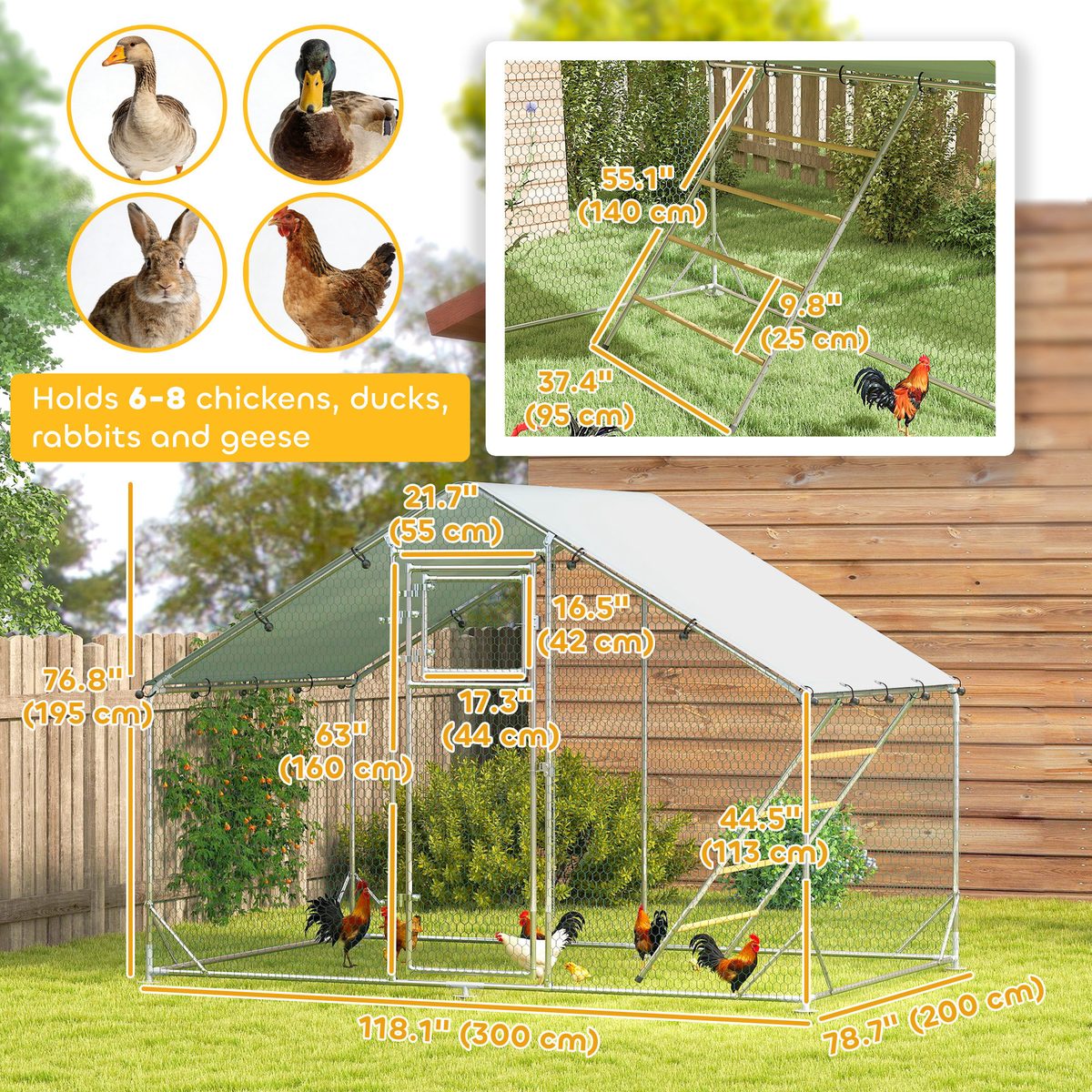
Large Metal Chicken Run with Waterproof & UV-Resistant Cover, Feeding Door, Hanging Feeder, Perch for 6-8 Chickens


Chicken Coop with Run, L-Shaped Wooden Chicken House with 2 Houses, Outdoor Hen House with Waterproof Roof and Ramps
 Popular Choice


19.7' x 9.8' Metal Chicken Run with Waterproof and Anti-UV Cover


Chicken Run, 23' x 6.6' Metal Chicken Coop with Waterproof and Anti-UV Cover, Spire Roof, Door, for 12-14 Chickens, Ducks, Rabbits, Sliver
Popular Choice


Large Chicken Coop, 134"L Wooden Chicken House with Run, Nesting Box, Slide-Out Tray, Waterproof Roof and Ramp


Chicken Run Waterproof Large Chicken Coop with Nesting Box for 2-4 Chickens, Orange and White


Large Chicken Coop, 134"L Wooden Chicken House with Run, Nesting Box, Slide-Out Tray, Waterproof Roof and Ramp


21.7' x 6.2' Metal Chicken Run with Waterproof and Anti-UV Cover


71" Chicken Coop for 3 Chickens, Wooden Hen House with Run, Removable Tray, Nesting Box, Waterproof Asphalt Roof


69" Chicken Coop Wooden Hen House Rabbit Hutch Poultry Cage Pen Outdoor Backyard with Outdoor Run Resting Nesting Box Removable Tray Waterproof Asphalt Roof Lockable Door Yellow and Green
Popular Choice


72" Chicken Coop, Wooden Hen House for 2 Chickens, Poultry Cage with Run, Nesting Box, Removable Tray, Waterproof Roof


Large Metal Chicken Coop, Chicken Run with Waterproof & Anti-UV Cover for 3-5 Poultry, Outdoor Poultry Cage Rabbit Hutch


137" Wooden Chicken Coop with Chicken Run, Nesting Box, Dark Grey


123" Extra Large Chicken Coop Wooden Poultry House Rabbit Hutch Hen Backyard with Outdoor Run Ramps and Nesting Boxes, Orange


Wooden Chicken Coop with Run for 1-2 Chicken, Bunnies, Ducks


Galvanized Large Metal Chicken Coop Cage Walk-in Enclosure Poultry Hen Run House Playpen Rabbit Hutch with Cover for Outdoor Backyard 9.2' x 6.2' x 6.5' Silver


142" Outdoor Wooden Chicken Coop with Run, Ramps, Perches, Storage, Combinable Design for 6 - 10 Chickens, Grey


Wooden Chicken Coop, Rabbit Hutch with Large Run, Outdoor Poultry Cage with Nesting Box, Tray, Windows, Dark Grey
Popular Choice


Wooden Chicken Coop with Nesting Boxes, Run, Doors, Tray, Ramp for 4-6 Chickens


Chicken Run Outdoor, Galvanized Large Metal Chicken Coop Cage, Walk-in Enclosure Poultry Hen Run House Playpen Rabbit Hutch with Flat Roof, Cover, 9.2'x6.2'x6.5', Silver


Large Chicken Coop, Wooden Hen House with Covered Run, Nesting Box, Pull-Out Tray, Opening Asphalt Roof


79" Wooden Chicken Coop, Outdoor Hen House, Poultry Habitat with Removable Tray, Nesting Box, Run, Ramp, Brown


82" Deluxe Chicken Coop Wooden Large Hen House with Run and Nesting Box for Hens Rabbits, Orange
Popular Choice


Large Metal Chicken Coop, Hen Run House with Anti-Ultraviolet Cover, Walk-in Poultry Cage for Ducks, Rabbits, Outdoor Backyard Farm, 13.1' x 9.8' x 6.4'


77" Chicken Coop Hen House Rabbit Hutch Poultry Cage Pen Outdoor Backyard with Nesting Box Run Natural


65" Chicken Coop Wooden Hen House Rabbit Hutch Poultry Cage Pen Outdoor Backyard with Nesting Box, Ramp, Run, and Ladder


66.5" Large Chicken Coop, Wooden Chicken House with 2 Nesting Boxes, Sliding Tray & Ramp, for Outdoor Backyard Farm


47" Chicken Coop Wooden Chicken House Rabbit Hutch Raised Poultry Cage Portable Hen Pen Backyard


Chicken Coop with Wheels, 80" L Mobile Hen House with Run, Outdoor Wooden Chicken House with Nesting Box, Tray, Ramp


63" Chicken Coop Wooden Hen House Rabbit Hutch Poultry Cage Pen Outdoor Backyard with Nesting Box and Run Small Animal Cage PC Roof Grey


Chicken Coop with Run Mobile Wooden Hen House with Nesting Box Pull-out Tray for 1-2 Chickens Orange


117" Extra Large Chicken Coop with Asphalt Roof, Wooden Hen House with Slide-out Tray, Quail Hutch with Nesting Box, Orange


Walk In Chicken Run, Large Galvanized Chicken Coop, Hen Poultry House Cage, Rabbit Hutch Metal Enclosure w/ Water-Resist Cover for Outdoor Backyard Farm, 9.9' x 3.5' x 5.6'


Duck Coop, Wooden Duck House with Openable Roof & Double Doors, Natural Wood


95"L Chicken Run Large Chicken Coop with Nesting Box Wooden Roof Side Door for Outdoor 4–8 Chickens


Wooden Chicken Coop, Outdoor Backyard Garden Large Rabbit Hutch with Nesting Box, Run, Ramp, Drawer


Metal Chicken Coop, 9.8 x 5.6 FT Walk-in Chicken Run with Cover, Lockable Door, Outdoor Poultry Cage for 5-8 Chickens


Chicken Run Expandable Outdoor Large Chicken Coop with 2 Doors and 3 Perches for 1–3 Chickens


Duck Coop, Wooden Chicken House Rabbit Hutch with Openable Roof, Removable Floor, Double Doors, Ramp, Grey
Popular Choice


Wooden Chicken Coop with Nesting Box, Pull-out Metal Tray, for 1-2 Chickens, 36" x 25" x 27"


Extra Long Chicken Tunnel for Outside, 354" x 39" Galvanized Steel Chicken Run for 10-15 Chickens or Ducks


Chicken Nesting Boxes, 3 Compartment Metal Nesting Boxes for Chicken Coop, Egg Laying Boxes with Lid Cover


Wooden Chicken Run, Outdoor Chicken Coop with Perch and Dual Doors, Combinable Hen House Rabbit Hutch for Backyard
Popular Choice


2K HD AI Camera Automatic Chicken Coop Door with APP, WiFi Solar Powered with 5200 mAh Large Battery, Alarm Driver


Metal Chicken Coop with UV-Resistant Cover for Hens, Rabbits, Ducks, Geese, 71" x 29.5" x 29.5", Black


55" Wooden Chicken Coop Extension Outdoor with Roosting Bars, Combinable Design, Orange
Popular Choice


Nesting Boxes for Chickens, Chicken Coop Accessories with Asphalt Roof for Indoor Outdoor Use, Up to 2 Hens


9.8' x 19.7' x 6.6' Chicken Coop Cage, Outdoor Hen House w/Cover & Lockable Door


Metal Chicken Coop with UV-Resistant Cover for Hens, Rabbits, Ducks, Geese, 168.5" x 42.1" x 43.7", Grey
Chicken coops for safe, dry backyard flocks
Valuhub's chicken coops collection brings together wooden hen houses, walk-in metal runs and coop accessories for backyard flocks. Each style gives hens a place to roost, lay eggs and stay safe from weather and predators. Most listings say how many chickens the coop suits.
These coops suit first-time keepers with two hens and hobby flocks of a dozen birds. Valuhub Canada also carries rabbit and duck housing, so mixed backyard animals are covered. Browse the wider Small Animals range for hutches, cages and other housing.
Chicken coops at a glance
Types of chicken coops in this collection
Five kinds of coops and accessories make up the range, from the largest group to the smallest.
Wooden hen houses with a run
A wooden chicken coop with run joins a sleeping house and an outdoor pen. It is the largest group here. Most have a nesting box, a pull-out tray, a ramp and a waterproof asphalt roof. Lengths run from about 119 cm (47 in) to 361 cm (142 in), in grey, natural and orange. Some double as a rabbit hutch.
Walk in chicken coops and runs
A walk-in metal chicken coop uses a galvanized steel frame, wire mesh and a waterproof, UV-resistant cover. You can stand inside to feed, clean and collect eggs. Sizes start near 2.8 m (9.2 ft) long and reach about 7 m (23 ft). Many have a lockable door. Each chicken run is listed for flocks of 3 to 14.
Small and mobile coops
Small coops suit one or two hens, or a few ducks or rabbits. One compact wooden model is 91 cm (36 in) long. A few designs have wheels. A portable chicken coop is easy to shift across the lawn.
Extensions and combinable coops
Extension and combinable coops let a flock grow without starting over. A 140 cm (55 in) extension adds roosting bars to a coop you own. One 361 cm (142 in) combinable coop is listed for 6 to 10 chickens.
Nesting boxes, doors and accessories
Accessories round out the range. Chicken nesting boxes come with three compartments or room for two hens. A metal feeder is also listed. An automatic coop door with app control is designed to open and close without a daily visit.
Check each product page for exact sizes, capacity and assembly details before you order.
How do you choose a chicken coop?
Match the size to your flock
Plan about 0.37 m² (4 sq ft) indoors and 0.9 m² (10 sq ft) in the run per hen. Four hens then need about 1.5 m² inside and 3.7 m² outside. Compare these numbers with the listed size, not just the chicken count in the title.
Check the roof and cover
A waterproof roof keeps bedding dry, and metal runs need a waterproof, UV-resistant cover. Snow adds weight, so choose a sturdy frame. Dry bedding and good ventilation matter more than extra insulation for most flocks.
Plan for predators
Raccoons can open simple latches, so look for a lockable door and wire mesh over every opening. Fine mesh stops small predators better than thin chicken wire. A walk-in run with a lockable door gives the most protection.
Make cleaning and egg collection easy
A pull-out tray lets you clear droppings without crawling inside. Allow about one nesting box for every 4 hens, and pick a box you can reach from outside. Ramps should be wide enough for hens to climb safely.
Allow for ventilation and perches
High vents let damp air escape without blowing on sleeping hens. Allow 20 to 30 cm (8 to 12 in) of perch space per hen. Keep roosting bars higher than the nesting box.
Where does a backyard chicken coop work best?
A small city or suburban yard suits a compact wooden coop with an attached run. Check local bylaws first, since many Canadian towns limit flock size and coop placement. Add feeders and bedding from our pet supplies range.
Larger properties and hobby flocks suit a walk-in run. Standing inside makes daily feeding and cleaning quicker, and the covered frame shades birds from sun and rain. An outdoor chicken coop of this size can also house ducks or rabbits, since many listings name all three.
Keepers of rabbits and ducks can use the same styles. Several wooden listings double as a rabbit hutch, and duck coops have an openable roof and double doors. The Small Animals range covers more hutches and cages.
How do you set up and care for a chicken coop?
A chicken coop belongs on level, well-drained ground, away from standing water. Clean the tray weekly, replace damp bedding and check latches and mesh before winter. Keep feed in a lidded container so rodents stay out, and give hens fresh water every day. Follow the assembly guide that comes with each product.
Shipping and returns: orders over $150 ship free across Canada, and returns are accepted within 14 days of delivery. Delivery details show on each product page. Read the full refund policy.
Chicken coop FAQs
What size chicken coop do I need?
Plan about 0.37 m² (4 sq ft) indoors and 0.9 m² (10 sq ft) of run per hen. Four hens then need roughly 1.5 m² inside and 3.7 m² of run. Larger breeds and long winters call for more room.
How many chickens fit in a chicken coop with run?
Each listing states its own capacity. It runs from 1 or 2 chickens on compact wooden coops to 10 to 15 on the longest runs. Check the size in centimetres and inches, then divide the floor area by the space each hen needs.
Is a walk in chicken coop better than a wooden coop?
A walk-in metal run gives more space and lets you stand inside. A wooden coop has a sheltered house, nesting box and tray built in. Many keepers pair a wooden house for sleeping and laying with a walk-in run for daytime space.
What is the best large chicken coop for a bigger flock?
A large chicken coop for six or more hens needs roosting space, a roomy run and secure doors. Wooden coops reach 361 cm (142 in) and walk-in runs reach 7 m (23 ft). Check each listing for its stated capacity.
How do I keep predators out of a coop?
Use a lockable door, sturdy wire mesh on every opening and a latch raccoons cannot lift. Close the pop door at dusk. A walk-in run with a covered frame adds a second barrier around the house.
Do chicken coops need ventilation in winter?
Yes. Hens add moisture through breathing and droppings, so high vents are needed even in cold weather. Place vents near the roof, away from roosting hens, and cover them with mesh. Dry bedding helps flocks stay comfortable.
