

Pet Enclosures, Coops and Cages
Pet enclosures at Valuhub Canada give dogs, cats, chickens and rabbits a safe place to rest and play. The range covers chicken coops, outdoor cat enclosures, dog kennels, rabbit hutches and cages, mostly in wood and metal. They suit yards, patios and indoor rooms across Canada.


13.1' x 7.5' x 4.9' Outdoor Dog Kennel Dog Run with Waterproof, UV Resistant Cover for Medium Large Sized Dogs, Silver


Large Catio Outdoor with Waterproof Cover, 2 Resting Boxes, 4 Platforms, Bridge, for 2-4 Kittens, Grey


Catio Outdoor Cat Enclosure, 71" Wooden Cat House with Platforms, Condos and Waterproof Cover for 2–3 Kittens, Grey


Outdoor Dog Kennel with Two Rooms, Waterproof UV-Resistant Cover, Escape-Proof Lock, 19.7' x 7.5' x 7.5'


Galvanized Steel Dog Kennel Outdoor with Waterproof & UV-Resistant Cover for Large Dogs, 13.1' x 7.5' x 7.5'


Moon Cat Tower for Indoor Cats with Teddy Fleece House Bed Scratching Post Hanging Toy Star Platform 41" Blue


Outdoor Cat Enclosure Wooden Feral Cat House w/ Weatherproof Canopy, Bridges, Resting Boxes, Platforms, for 3-6 Cats


Large Outdoor Catio with 2 Condos, Jumping Platforms, Waterproof Roof, Orange


Dog Kennel Outdoor with Waterproof Canopy, Dog Run with Galvanized Chain Link for Large and Medium Dogs, Black


Outdoor Dog Run with Adjustable & Rotatable Bowls, Waterproof UV-Resistant Cover, Escape-Proof Lock, 13.1' x 7.5' x 7.5'


94.5" Extra Large Metal Outdoor Catio with Waterproof Cover, 2 Resting Boxes, 7 Platforms, for Multiple Rabbits, Chicken


Large Outdoor Catio Enclosure, Weatherproof Cat House with Asphalt Roof, Wooden Cat Patio Cage with 6 Balanced Platforms, 71" x 39" x 71", Grey
 Popular Choice


Outdoor Dog Kennel with 2 Rooms, Rotating & Adjustable Height Bowls, Waterproof UV-Resistant Cover, 16.2' x 4.7' x 5.1'


Large Outdoor Catio with Weatherproof Roof, Bridge, Resting Box, Platforms, Grey


Heavy Duty Galvanized Steel Outdoor Dog Kennel with Waterproof Roof, Safety Lockable Latch System, 9.2' x 7.5' x 7.2'


Large Outdoor Catio with 6 Jumping Platforms, Scratching Post, 2 Ramps, Waterproof Roof, Grey


118"L Chicken Coop, Large Wooden Hen House with Run, Pull-Out Tray, Waterproof Roof, Nesting Box, Swing, Roosting Bars

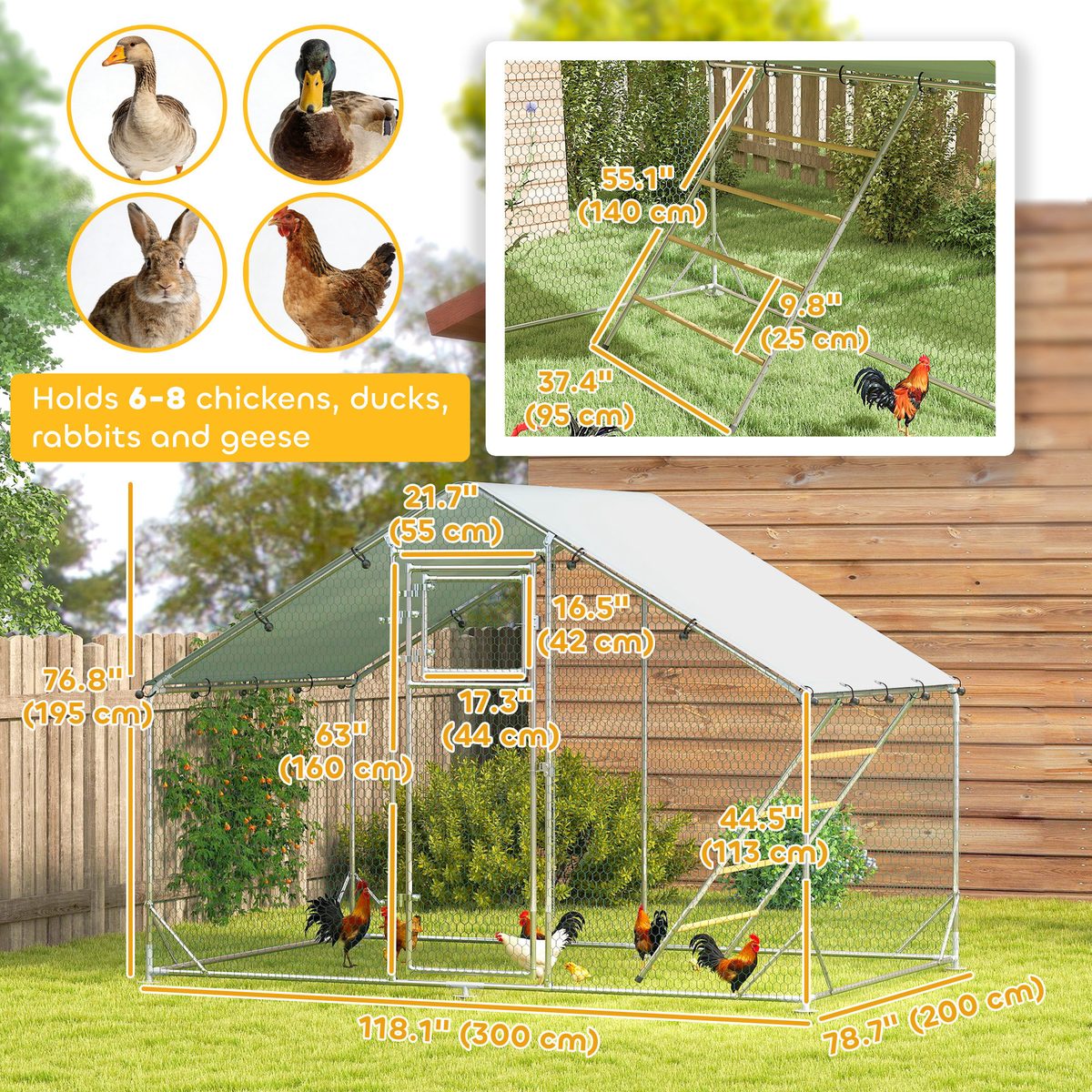
Large Metal Chicken Run with Waterproof & UV-Resistant Cover, Feeding Door, Hanging Feeder, Perch for 6-8 Chickens


Chicken Coop with Run, L-Shaped Wooden Chicken House with 2 Houses, Outdoor Hen House with Waterproof Roof and Ramps


Outdoor Cat Enclosure with 6 Jumping Platforms, Weatherproof Roof, Large Front Door for 1-3 Cats, 59" x 28" x 60", Grey
Popular Choice


19.7' x 9.8' Metal Chicken Run with Waterproof and Anti-UV Cover


79" Extra Large Metal Outdoor Catio with Waterproof Cover, Resting Box, 4 Platforms, for Multiple Rabbits, Chicken


Outdoor Dog Run w/ Adjustable & Rotating Bowls, Water-Resistant UV-Resistant Cover, Secure Lock, 6.6' x 6.6' x 5.1'


Catio Outdoor, Elevated Design, with Wheels, Resting Box, Water-Resistant, Multi Platforms, White & Grey


Chicken Run, 23' x 6.6' Metal Chicken Coop with Waterproof and Anti-UV Cover, Spire Roof, Door, for 12-14 Chickens, Ducks, Rabbits, Sliver
Popular Choice


Large Chicken Coop, 134"L Wooden Chicken House with Run, Nesting Box, Slide-Out Tray, Waterproof Roof and Ramp


Chicken Run Waterproof Large Chicken Coop with Nesting Box for 2-4 Chickens, Orange and White


Outdoor Dog Kennel with Waterproof UV-Resistant Cover, 8 x 4 x 6 ft


74" Wooden Outdoor Cat House Weatherproof & Wheeled with High Weight Capacity, Kitten Cage Condo, White


Catio Outdoor Cat Enclosure, 77" H Wooden Cat House with Weatherproof Roof, Platforms and Scratching Post


Large Chicken Coop, 134"L Wooden Chicken House with Run, Nesting Box, Slide-Out Tray, Waterproof Roof and Ramp


Cat Cage Multi-Level Catio Steel Outdoor Cat Enclosure w/ UV-and Water Resistant Cover, 5 Platforms, Soft Pads, Black


21.7' x 6.2' Metal Chicken Run with Waterproof and Anti-UV Cover


71"L Catio Outdoor Cat Enclosure, Indoor Cat Cage, Pet House, Small Animal Hutch for 1-2 Rabbit, Kitten, Kitty Crate Kennel w/ Waterproof Roof, Multi-Level Platforms, Brown


Outdoor Dog Kennel with Waterproof UV-Resistant Cover, 6 x 4 x 6 ft


71" Chicken Coop for 3 Chickens, Wooden Hen House with Run, Removable Tray, Nesting Box, Waterproof Asphalt Roof


Outdoor Dog Kennel with Roof, Dog Run with Waterproof & UV-Resistant Cover, Secure Lock, for Backyard & Patio, 7.5' x 7.5' x 5.7'


69" Chicken Coop Wooden Hen House Rabbit Hutch Poultry Cage Pen Outdoor Backyard with Outdoor Run Resting Nesting Box Removable Tray Waterproof Asphalt Roof Lockable Door Yellow and Green


Outdoor Dog Kennel with Rotating and Adjustable Height Bowls, Waterproof UV-Resistant Cover, 11.3' x 4.7' x 5.1'
Popular Choice


72" Chicken Coop, Wooden Hen House for 2 Chickens, Poultry Cage with Run, Nesting Box, Removable Tray, Waterproof Roof
Popular Choice


Outdoor Dog Kennel with Waterproof & Anti-UV Cover, Quick-Connect Frame, Secure Lock for Small Medium Dogs
Popular Choice


Pet Crate End Table with Water-resistant Cushion or Large Medium Dogs, Black


Movable Catio Outdoor Cat Enclosure with Resting Box, 3 Jumping Platforms, Waterproof Asphalt Roof for Outdoor Indoor


Catio Outdoor Cat Enclosure Wall-Mounted 2-Level Outdoor Cat House with Waterproof Roof 39.4" Grey


54"L 2-Story Large Rabbit Hutch Bunny Cage Wooden Pet House Small Animal Habitat with Lockable Doors, No Leak Tray and Waterproof Roof for Outdoor/Indoor Orange


Rattan Dog House with Canopy, Wicker Dog Bed with Water-Resistant Cushion, for Small and Medium Breeds Blue


Rabbit Hutch, Wooden Guinea Pig Cage with Run, Openable Top, Pull Out Tray and Ramp, Water-Resistant Roof, Grey


Rattan Dog House with Canopy, Wicker Dog Bed with Water-Resistant Cushion, for Small and Medium Breeds Grey


Dog Sofa Bed with Removable Pillows, Foam Pet Sofa Cat Sofa with Removable Washable Cushion, Water-resistant Fabric, for Medium and Large Dogs, Grey


Rattan Dog House with Canopy, Wicker Dog Bed with Water-Resistant Cushion, for Small and Medium Breeds Dark Blue
Pet enclosures for dogs, cats, chickens and small animals
Valuhub's pet enclosures collection brings together outdoor and indoor housing for pets and backyard animals. Each home keeps animals safe, dry and contained. The range covers chicken coops with runs, catios, dog kennels, rabbit hutches and small cages. Many designs add a waterproof roof, lockable doors or a removable tray for easy cleaning.
Valuhub Canada offers these enclosures for homeowners with a yard, renters with a patio and small hobby farms. Each piece sits within the wider pet supplies range, next to beds, feeders and gates. Pick the animal first, then match the size and the weather protection.
Pet enclosures at a glance
Types of pet enclosures in this collection
The collection falls into five main groups, listed from the largest to the smallest.
Chicken coops and runs
Chicken coops are the largest group in this range. Wooden coops pair a hen house with a covered run, a nesting box and a pull-out tray. Metal chicken runs add a waterproof, UV-resistant cover and a feeding door. Sizes run from compact coops for two to four hens to runs longer than 6 m (20 ft). Browse all chicken coops to compare sizes.
Outdoor cat enclosures
Outdoor cat enclosures, often called a catio, let indoor cats enjoy fresh air without roaming free. Many have a weatherproof roof, several platforms and a resting box. Wooden and steel frames are both common, and some designs are wall mounted or on wheels. A typical size is about 150 cm (59 in) long for one to three cats. See every outdoor cat enclosure here.
Dog kennels and playpens
Dog kennels give a dog a shaded, fenced space in the yard. Many use a galvanized steel frame with a waterproof, UV-resistant cover and a secure lock. Common sizes include 6 x 4 x 6 ft (1.8 x 1.2 x 1.8 m). Longer dog runs reach about 4 m (13 ft). Browse dog kennels, then dog playpens and dog cages and crates for indoor use.
Rabbit hutches
A rabbit hutch also suits guinea pigs and other small animals. Wooden hutches often have an opening waterproof roof, a lockable door and a slide-out tray. Two-level designs add a ramp and a run. Sizes start near 50 cm (20 in) long and reach about 137 cm (54 in). Compare every rabbit hutch in the collection.
Hamster and bird cages
Hamster cages and bird cages cover the smallest pets indoors. Many hamster cages stack several tiers and include tubes, a water bottle and an exercise wheel. Bird cages give pet birds a tidy home in a living room or bedroom. These pet cages double as small animal cages for a bedroom or playroom. Visit hamster cages and bird cages.
Check each product page for exact sizes, materials and what is included.
How do you choose a pet enclosure?
Measure your pet first
Measure your pet from nose to tail base, then add about 10 cm (4 in). A dog should stand, turn around and lie down stretched out. Check the inside size, not only the outside size.
Match the weather
Look for a waterproof roof with UV protection and a raised floor that keeps bedding dry. Canadian winters bring snow load and wind, so check the roof slope and anchor points.
Check locks and mesh
Choose latches your pet cannot open and wire gaps too small for heads or paws. Chickens and rabbits also need a secure top, because predators climb and dig.
Plan for cleaning
A removable tray and a roof that opens make weekly cleaning quick. Smooth, wipe-clean surfaces dry faster than rough wood and hold less dirt.
Leave room to move
Measure the spot and keep 30 cm (12 in) clear around the enclosure for access. Wheels help when you rotate a catio or a coop onto fresh grass.
Where do pet enclosures work best?
Backyards suit the largest outdoor pet enclosures. Think of a chicken coop with a run, a dog kennel or a full-size catio. A level, shaded spot with good drainage keeps the floor dry. Owners of dogs and cats often start here.
Patios and balconies suit compact and wall-mounted outdoor cat enclosures, plus small hutches. These spots give pets fresh air while you stay close. Check balcony rules and weight limits before you place an enclosure on an upper floor.
Living rooms, bedrooms and garages suit hamster cages, bird cages, crates and playpens. These indoor options give small animals a calm base and keep curious pets away from cords and shoes.
How do you set up and care for a pet enclosure?
Set outdoor pet houses on level ground, in partial shade, and anchor them against wind. Clean the tray weekly and replace bedding when it gets damp. Each season, tighten the fasteners and check the latches. Bring pets indoors during severe cold, because shelter alone does not replace indoor warmth.
Shipping and returns: Orders over $150 ship free across Canada, and delivery details show on each product page. Returns are accepted within 14 days of delivery for unused items in original packaging. See the refund policy.
Pet enclosure FAQs
What is a pet enclosure used for?
An enclosure gives pets a safe, contained space to rest, play or shelter. Outdoor models protect dogs, cats, chickens and rabbits from weather and wandering. Indoor models, such as cages and crates, keep small animals secure at home.
How big should an outdoor pet enclosure be?
An outdoor pet enclosure should let your pet stand, turn and stretch fully. For dogs, add about 10 cm (4 in) to their nose-to-tail length for a shelter. Runs and catios should be larger, so animals can move freely.
Can pet enclosures stay outside in winter?
Some outdoor pet houses handle cool weather with a dry, raised floor and a waterproof roof. Severe cold is still unsafe for many pets. Short-haired dogs, cats, rabbits and small animals should come indoors when temperatures drop sharply.
What is a catio?
A catio is an outdoor cat enclosure that lets an indoor cat enjoy fresh air safely. It usually has a mesh or wire frame, a roof, platforms and a resting box. Wall-mounted, freestanding and wheeled catios all exist.
How much space do chickens need?
A common guideline is about 0.4 square metres (4 square feet) per hen inside the coop. The run should offer roughly 1 square metre (10 square feet) per hen. Add a nesting box, and check each listing for the recommended bird count.
Which material is best for an outdoor pet enclosure?
Wood looks natural and insulates well, while galvanized steel resists rust and is easy to wipe clean. Wooden pieces need a weatherproof finish and an occasional check for damp. Metal wire runs suit dog kennels and chicken runs that need open airflow.
