

Houses & Habitats
Shop the rabbit cage collection for panel playpens, roofed cages and rolling habitats. They suit rabbits, guinea pigs, chinchillas and other small pets, indoors or out. Free shipping applies over $150.


Small Animal Cage Waterproof Mat DIY Animal Playpen for Guinea Pigs Rabbits 12 Panels and Door Black


73" Small Animal Cage with Roof, Indoor/Outdoor Use, for Chicken, Rabbits, Chinchillas, Green


Pet Playpen with Roof, Metal Guinea Pig Cage, Rabbit Pen, Chicken Coop Run, Catio Cat Enclosure with Cover, Doors, Indoor Outdoor for Small Animals, 87" x 41" x 41", Cream


Guinea Pig Cage with Foldable Detachable Playpen, Rolling Rabbit Chinchilla Hedgehog Bunny Cage Small Animal Habitat with Water Bottle, Hay Feeder, 34.5" x 50.5" x 22"
 Popular Choice


47"H Ferret Cage, Large 4-Tier Guinea Pig Cage with Wheels, Ramps, Bowl, Water Bottle & Removable Tray, Black
Popular Choice


56 Panels Pet Playpen Small Animal Cage for Rabbit


Wooden Tortoise House Habitat with Shelf, Light Support Frame, Tray for Indoor Use, 33" L x 20" W x 41" H


Small Animal Cage for Bunny, Guinea Pig, Chinchilla, Hedgehog, Portable Pet Enclosure with Door, 16 Panels


Small Animal Cage Plastic Chinchilla Cage 12 Panels for Guinea Pig, 18" x 14", White


Wooden Reptile Terrarium with Sliding Door for Chameleon, Lizard, Snake, Frog, Turtle, 31.5" x 15.7" x 15.7"

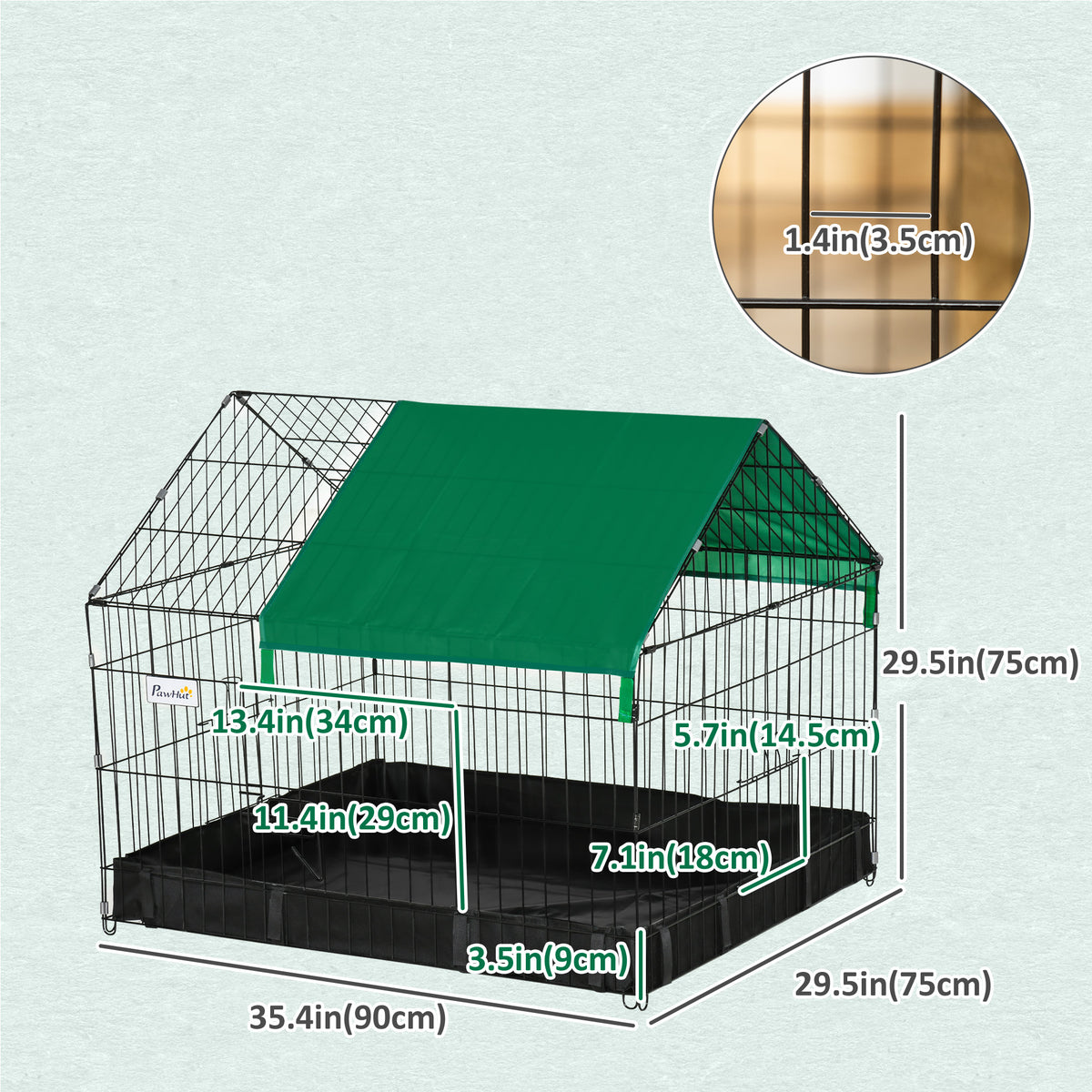
Metal Outdoor Small Animal Cage for Rabbits and Cats, Black
 Bundle & Save


39 Pcs Small Animal Cage Bunny Hutch Portable Metal Wire with Ramps for Kitten Chinchilla, Black
Bundle & Save


40 Pcs Small Animal Cage Bunny Hutch Portable Metal Wire with Ramps for Kitten Chinchilla, Black


Small Animal Cage for Bunny, Guinea Pig, Chinchilla, Hedgehog, Portable Pet Enclosure with Door, 22 Panels
Bundle & Save


3PCs Wooden Bat Boxes, Bat Houses Designed to Attract Bats & Easy to Hang for Outdoor, Garden, Farm, 18 x 6 x 22.5 cm


20 Panels DIY Small Animal Cage with Door, Top Cover, Indoor Yard Fence for Guinea Pig, Hedgehog, Bunny, White

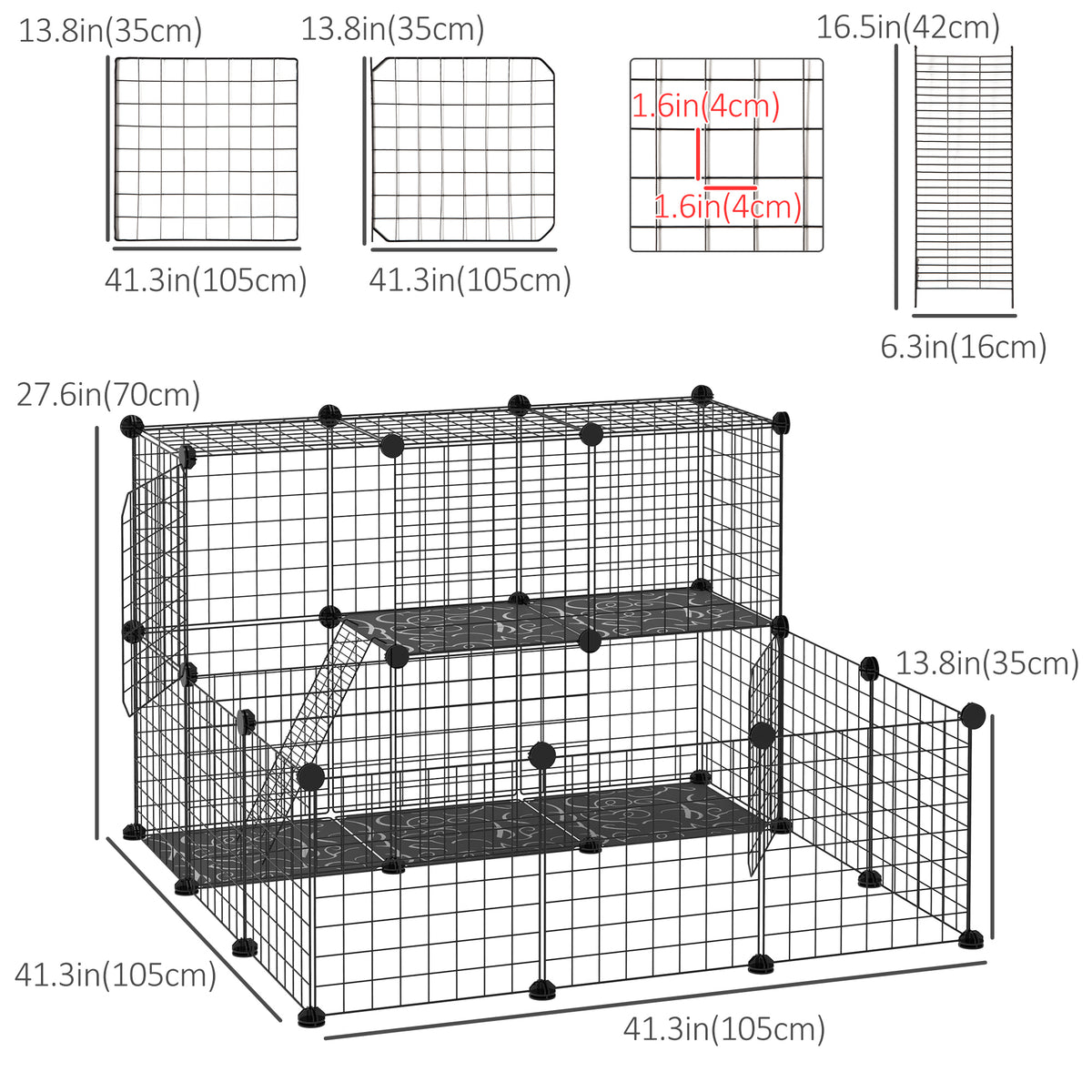
Small Animal Cage Rabbit Cage with Door, Guinea Pig Playpen, Small Animal Fence for Bunny, Chinchilla, Freret, Chinchilla, Indoor and Outdoor Use, Total 31 Panels, 41.3" x 41.3" x 27.6"


46 Panels Pet Playpen, DIY Small Animal Playpen, Indoor Portable Pet Fence for Guinea Pigs, Bunny, Rabbits, Hamsters, Hedgehogs


Pet Playpen, DIY Cage House for Small Animals, Guinea Pigs, Hedgehogs, Black


Small Animal Cage with 16 Panels, Portable Metal Wire Pet Fence with Door, Non-slip Feet for Bunny Guinea Pig


Turtle Tank Kit, Turtle Aquarium with Basking Platform, Water Pump, Filter Layer Design, Reptile Habitat


Small Animal Cage Deluxe Pet Habitat Rolling Rabbit Hutch for Bunny Guinea Pig Pet Mink Chinchilla
Rabbit cages and small animal habitats for every home
Valuhub Canada's rabbit cage collection brings together panel playpens, roofed cages and rolling habitats for small pets. Each style gives rabbits, guinea pigs and chinchillas a secure space to rest, eat and move. A few reptile, turtle and bat habitats sit alongside them.
Owners use these habitats in living rooms, spare rooms, garages and backyards. They suit first-time keepers and experienced owners who want a bigger run. For food, bedding and accessories, browse the Small Animals collection.
Small animal habitats at a glance
Types of rabbit cages in this collection
The collection covers five main habitat styles, listed from the most common to the least common.
Panel playpens and pens
Panel playpens link metal or plastic panels into a pen that you shape to your space. Counts in this range run from 12 to 56 panels. Many include a door, and some add a roof or a waterproof mat. A rabbit playpen or guinea pig playpen suits living areas. A few are listed for indoor and outdoor use.
Roofed cages and large pens
Roofed cages add overhead cover to a large floor area. One cage measures 73 in (185 cm). Another pen is 87 x 41 x 41 in (221 x 104 x 104 cm). It has a cover and doors. Titles list them for rabbits, chinchillas and chickens. For poultry, see our chicken coops.
Rolling multi-level cages
Rolling cages use a tall frame with wheels. Features across the range include ramps, a bowl, a water bottle, a hay feeder and a removable tray. A four-tier ferret cage stands 47 in (119 cm) tall. For hutch-style housing, see our rabbit hutches.
Portable wire cages and bunny hutches
Portable wire cages connect from metal pieces and often include ramps and a door. Some sets list 39 or 40 pieces, and others use 16 or 22 panels. Wire gives strong ventilation, and a solid tray or mat protects small paws. They suit bunnies, kittens and chinchillas, and some work as a hedgehog cage.
Reptile, turtle and bat habitats
A small group of products covers other animals. A wooden tortoise house measures 33 x 20 x 41 in (84 x 51 x 104 cm). A wooden reptile terrarium has a sliding door. A turtle tank kit adds a basking platform, a water pump and a filter layer. Three wooden bat boxes hang outdoors.
Check each product page for exact sizes and what is included.
How do you choose a rabbit cage?
Start with floor space
Floor area matters more than height. Rabbit care guides advise about 10 square feet (0.9 m²) of living space. They also advise daily time outside the enclosure. Guinea pig guides suggest 7.5 to 10.5 square feet (0.7 to 1 m²), with more room for a pair. Compare each small animal enclosure by length times width.
Check height and cover
Your pet should stand fully upright without touching the roof. Rabbits also stretch out when they rest, so look for enough length as well as height. A roof or cover adds protection outdoors.
Match the bar spacing and panel gaps
Gaps must be too small for your pet's head to pass through. Care guides suggest under 1 in (2.5 cm) for guinea pigs and chinchillas. Adult rabbits can have up to 1.35 in (3.4 cm). Young rabbits need about 0.85 in (2.2 cm).
Look at the floor
Small paws are sensitive. A solid base, a tray or a washable mat is gentler than bare wire. Wire floors work best with a mat or deep bedding. Pick a cage with a removable tray so cleaning stays quick.
Count the doors and ramps
Wide doors let you reach hideouts and bowls without stress. Many cages here have one or more doors, and some add ramps between levels. A large pen with a door lets you step in to clean.
Where do rabbit and guinea pig cages work best?
Indoor living areas suit panel playpens best. A pen in a living room or spare room keeps your pet near the family and away from drafts. Many panel pens can be reshaped to fit a corner or hallway. The layout can change as your pet grows.
Roofed cages and large pens work well on a patio or in a yard during mild weather. Place them in shade, away from loud noises, and stay close while your pet is outside. Care guides suggest temperatures between 18 and 26°C (65 to 78°F).
Rolling multi-level cages suit apartments because they use height instead of floor space. Smaller pets such as hamsters and gerbils need tighter bar gaps, so see our hamster cages. Cat owners can also browse outdoor cat enclosures for patio spaces.
How do you set up and care for a small pet cage?
Place a hideout, a hay feeder, a water bottle and a bowl inside. Keep most of the floor open. Spot-clean droppings every day and wash the tray each week with a pet-safe cleaner. Keep the cage away from drafts and direct heat.
Shipping and returns: Orders over $150 ship free across Canada. Delivery details show on each product page. Returns are accepted within 14 days of delivery under our refund policy.
Rabbit cage FAQs
How big should a rabbit cage be?
A rabbit needs about 10 square feet (0.9 m²) of living space, plus daily time outside the enclosure. The rabbit should stand upright, stretch out and hop several times inside. Larger panel playpens often meet this need more easily than a traditional small cage.
What is the best guinea pig cage?
A good guinea pig cage has 7.5 to 10.5 square feet (0.7 to 1 m²) of floor. It also has a solid base and gaps under 1 inch (2.5 cm). Panel playpens give guinea pigs more room than most small cages, and a waterproof mat helps with cleaning.
Can I use a bunny cage outdoors?
Some designs list indoor and outdoor use, and roofed cages add cover. Place the bunny cage in shade during mild weather and stay nearby while your pet is outside. Bring pets indoors in extreme heat, cold or storms, and check the product page for its intended use.
Is a wire floor safe for small pets?
Bare wire can hurt small paws. A solid tray, a washable mat or deep bedding makes wire floors more comfortable. Choose a cage with a removable tray so you can clear droppings quickly. Keep the base dry, and check your pet's feet often.
Can rabbits and guinea pigs share a cage?
Most vets and rescue groups advise keeping them apart. Rabbits and guinea pigs have different diets, and a rabbit can injure a guinea pig. Give each species its own enclosure with a hideout, hay and water. The two pens can sit near each other.
Does a chinchilla cage need to be tall?
Yes. Chinchillas jump and climb, so a tall chinchilla cage with ledges and ramps gives them room to move. Keep bar gaps near 1 inch (2.5 cm). Place the cage away from heat and direct sun, because chinchillas overheat easily.
