

Cat Litter Box Enclosures
Cat litter box enclosures at Valuhub Canada hide the mess. The range has hidden furniture, stainless steel boxes, covered trays and automatic units. It suits apartments, big cats and multi-cat homes, with scoops, drawers and scratching pads on many styles.


Automatic Cat Litter Box with App Control, Odor Isolation, Safety Protection, Anti-Pinch, 1 Roll Garbage Bag


72L Automatic Litter Box, Self Cleaning Litter Box, App Control, Odor & Noise Control, Safety Sensors, Deodorant Gel


Open-Top Self Cleaning Cat Litter Box, Automatic Cat Litter Box with Integrated Safety Protection


Cat Litter Box Enclosure with Drawer, Storage, Anti-tip Kit, for Living Room, Bedroom, White


Cat Litter Box Enclosure with Double Room, Scratching Board for 2 Cats, 57" x 19" x 20", White


XXL Stainless Steel Cat Litter Tray, Enclosed Cat Litter Box for Big Cats with High Sides, Scoop, Easy Clean, Black


Cat Litter Box Enclosure, Hidden Litter Box with Scratching Pad, Storage, for Living Room, Bedroom, 31.5" x 20" x 24"


Cat Litter Box with Lid, Removable Tray, Scoop, Filter, Green


Cat Litter Box Enclosure, Cat Washroom End Side Table with Rattan Door, Scratching Pad, Non-slip Foot Pads, Oak


Hidden Cat Litter Box Furniture, Cat Litter Box Enclosure with Storage Compartments and Side Table Function, White
 Popular Choice


80L XL Stainless Steel Cat Litter Box for Big Cats with Flip Cover, Pull-Out Drawer Tray, High Sided, Pedal, Dark Grey
Popular Choice


XL Stainless Steel Litter Box w/ 100° Flip Top, Scoop, Side Top Dual Entry, Odor Free, Easy Cleaning, Anti Leakage


Cat Litter Box Enclosure with Double Doors, Handles, Fit Most of Cat and Litter Box, 31.5" x 21" x 20", White


Stainless Steel Cat Litter Box, Easy-Clean Enclosure with Scoop & Flip Lid, 27.6" L x 19.7" W x 18.3" H, White


Stainless Steel Cat Litter Box, Cat Litter Box with High Side and Scoop, Anti-Leakage, Easy to Clean, Navy Blue


XL Stainless Steel Cat Litter Box for Big Cats with Flip Top, Scoop, Easy Clean & No Odors, Non-Sticky


Cat Litter Box Enclosure with Tall Legs, Litter Mat, Fits Mots of Litter Box, 31.5" x 20" x 22", White


Large Stainless Steel Cat Litter Box with Lid, Enclosed Cat Litter Box with Flip Cover, Scoop
Popular Choice

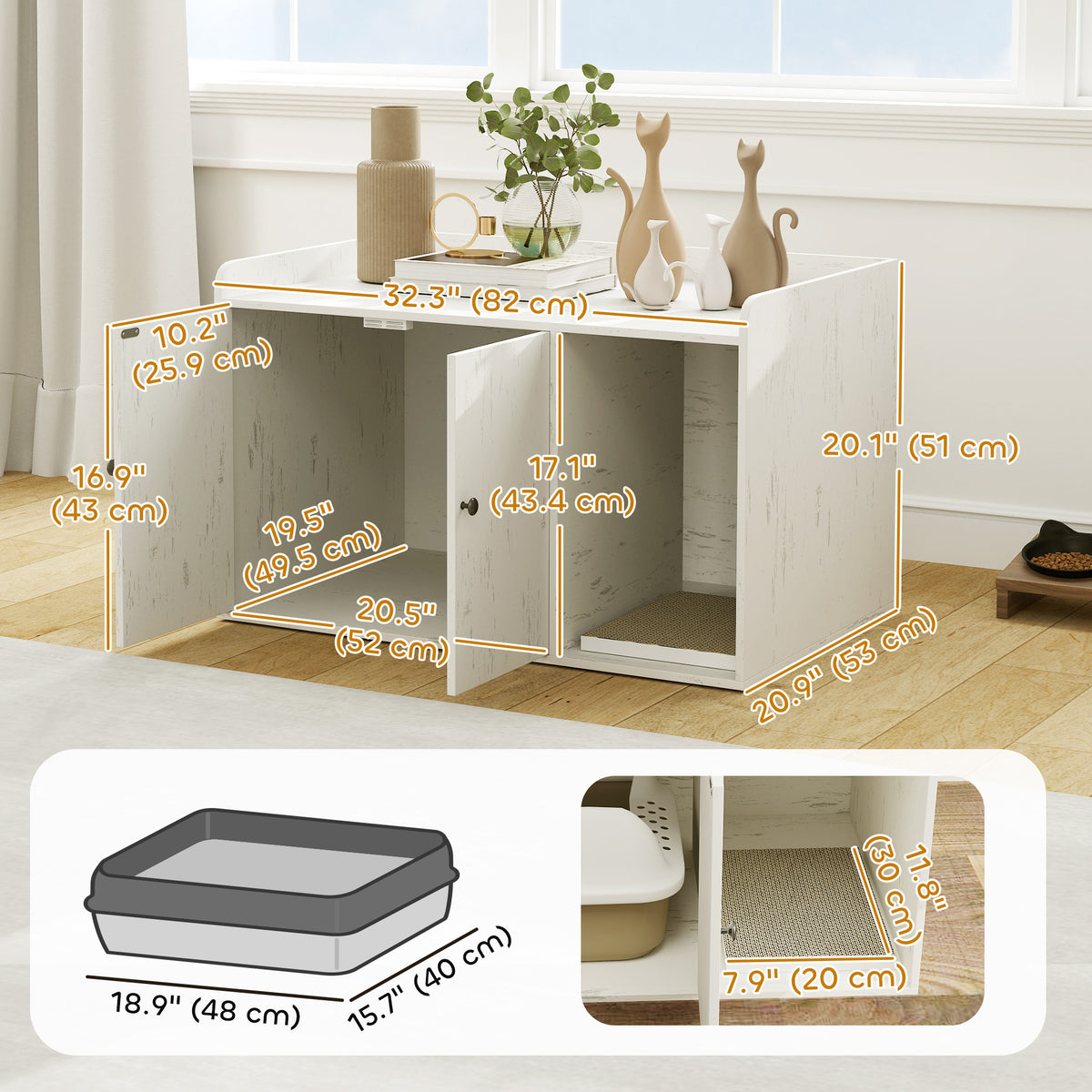
32" Cat Litter Box Enclosure with Scratching Mat, Cat Entrance, Fit Most of Cat and Litter Box, Distressed White
Popular Choice

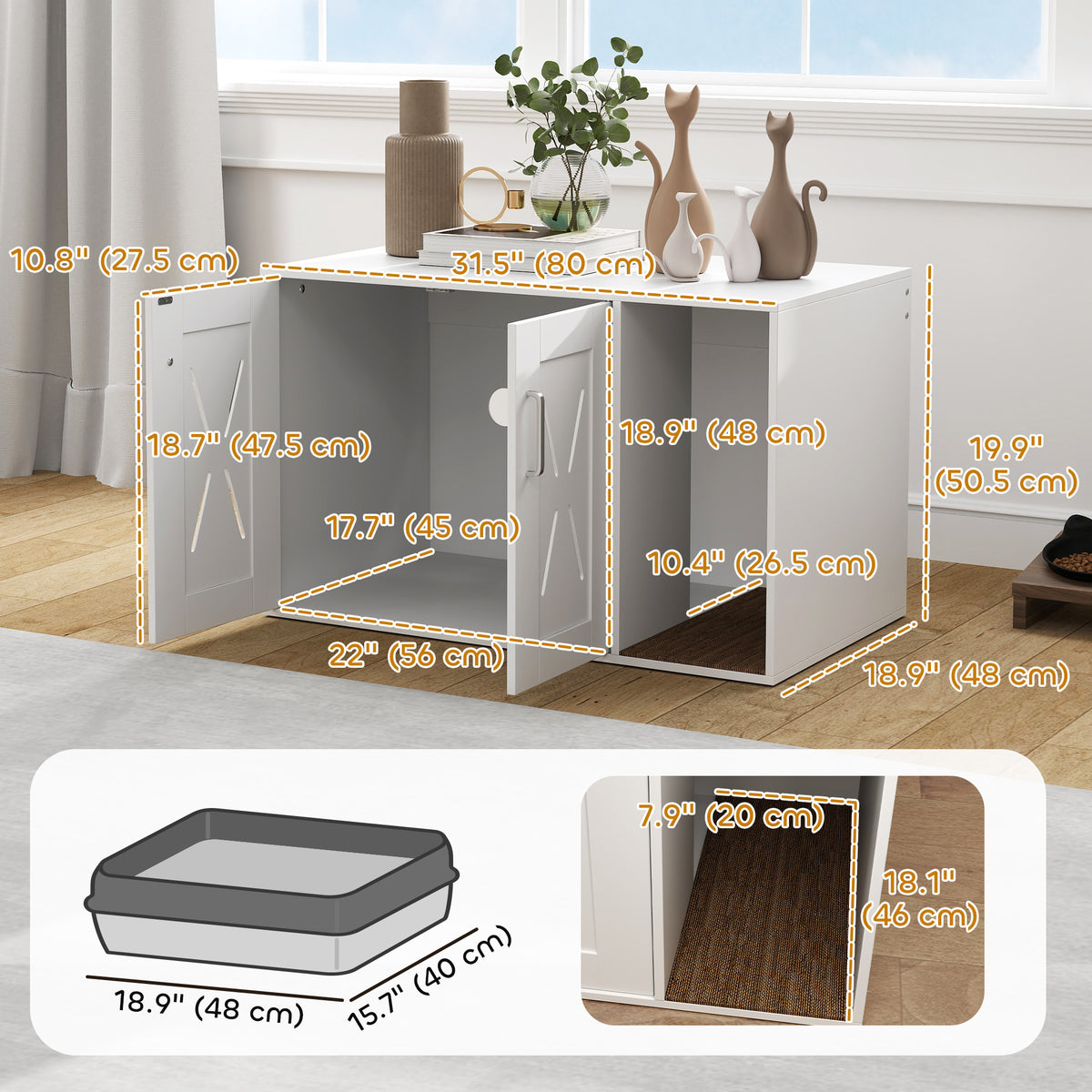
Cat Litter Box Enclosure, Hidden Cat Litter Box Furniture with Scratching Board, 31.5" x 19" x 20", White


Extra Large Stainless Steel Litter Box, Enclosed Kitty Litter Box for Big Cats with Scoop, Deodorizer Bag


Litter Box Furniture Hidden Cat Washroom Furniture with Double Doors and Scratching Pad, White


Cat Litter Box Easy Clean Drawer Odor Control Hooded Cat Litter Tray with Scoop White and Grey


Enclosed Stainless Steel Litter Box, Metal Cat Litter Box with Scoop, Deodorizer Bag, Handle, Easy to Clean


Cat Litter Box Enclosure End Table, Indoor Cat Washroom with Magnetic Door, Hidden Litter Box Nightstand with Large Tabletop, Easy Assembly, Black


Hidden Cat Litter Box Enclosure with Double Doors, Hole, Pet House Side End Table, 31.5" x 19" x 20", White


Stainless Steel Litter Box, XL Sifting Cat Litter Box for Medium and Large Cat, Non-Sticky, Odour Free, Easy Clean


Stainless Steel Cat Litter Box with High Sided Enclosure, Step, Scoop, Non-Sticky & Anti-Urine Leakage, Easy Cleaning


Stainless Steel Cat Litter Box with High Sided Enclosure, Scoop, Non-Sticky & Anti-Urine Leakage, Easy Cleaning


Cat Litter Box, Front Enter & Top Exit Cat Litter Tray with Scoop, Pull-out Tray, Easy to Clean, Green

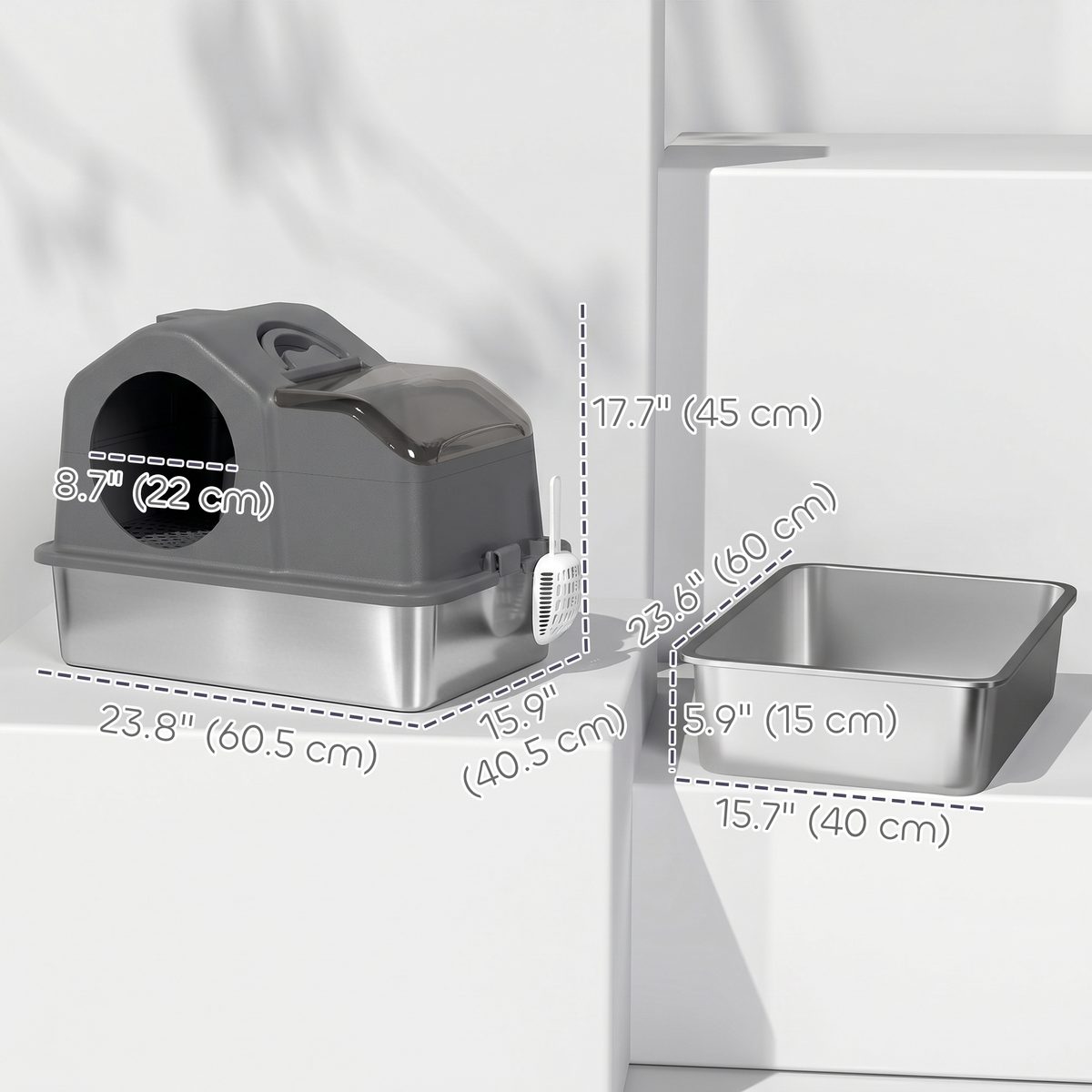
Extra Large Stainless Steel Cat Litter Box w/ High Sided, Removable Lid, Scoop, Odor Free, Non-Sticky, Dark Grey


Cat Litter Box with Anti-Sand Tunnel, Scoop, Open Top, Odor Control & Easy to Clean, White


Stainless Steel Litter Box, XL High Sided Cat Litter Box with Scoop, Anti Leakage & Easy to Clean, 24" x 16" x 12", Grey
Popular Choice


Cat Litter Box with Lid, Front Door Flap, Scoop, Handle, Easy Clean, for Small and Medium Cats, Green
Popular Choice


Panda Style XL Stainless Steel Cat Litter Box with Lid, Enclosed Kitty Litter Box with Scoop, 23.7" x 15.9" x 17.6"

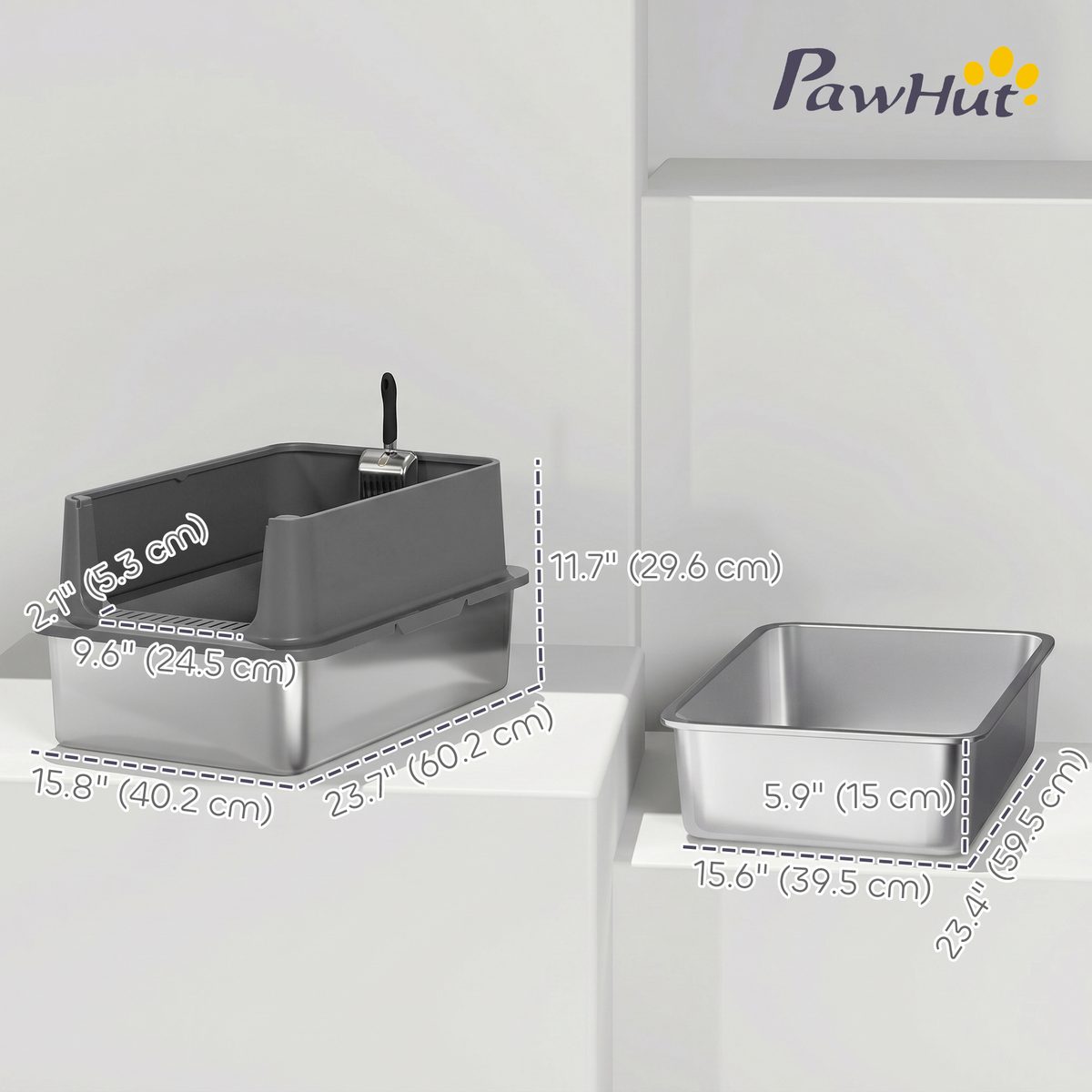
XL Stainless Steel Cat Litter Box for Big and Multiple Cats with High Wall Side, Scoop, Easy Cleaning & Odor Free


Large Stainless Steel Litter Box, Enclosed Metal Cat Litter Tray with Scoop, Deodoriser Bag, Front-Entry and Top-Exit


XL Stainless Steel Cat Litter Box, 80L Kitty Litter Box with Front/Top Entry, Trapping Step, Scoop, for Large Big Cats


Cat Litter Box with Lid, Slide-Out Drawer, Scoop, Easy Clean, Odour Control, Anti-Splashing, Grey


Top Entry Enclosed Kitty Litter Box with Scoop, Tray, Front Entry, Large Space, Foldable, Portable, Grey


Enclosed Cat Litter Box, Easy Cleaning Kitty Litter Box with Front Entrance, Top Exit, Scoop, White


Litter Box with Lid, Enclosed Kitty Litter Box with Front-Entry, Top-Exit, Scoop, Deodorizer Bag for Medium Cats, White


Stainless Steel Cat Litter Box with Lid with Scoop, High Sided, Non-Stick, & Anti-Urine Leakage, Easy Cleaning


Enclosed Cat Litter Box with Lid, Scoop, Top Entry, Deodorization Bags, Drawer Type Cat Litter Tray, Easy to Clean, Green


Cat Litter Box Stainless Steel with Metal Litter Scoop, Never Absorbs Odors, Anti Leakage, 17" x 13" x 10", Grey

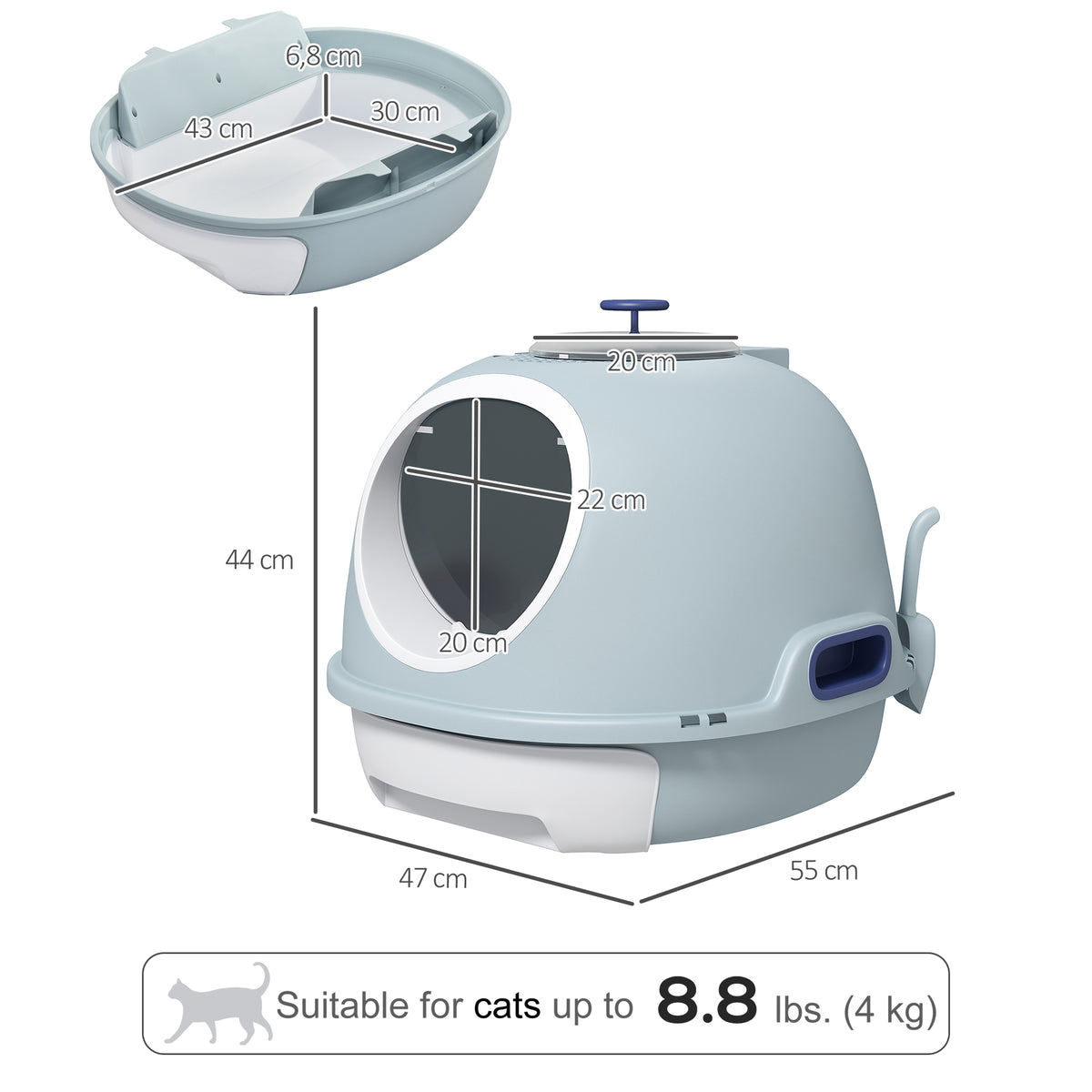
Cat Litter Box Toilet with Lid, Covered Litter Box with Scoop, Enclosed Drawer and Skylight, Blue


Litter Box Enclosure with Cat Tree Tower, Hidden Cat Washroom Furniture with Condo, Scratching Posts, Large Platform, Hammock and Soft Cushion, Rustic Brown


Cat Litter Box Enclosure, Hidden Litter Box Furniture, Cat House End Table Washroom with Scratching Pad, for Indoor Cats Kittens, 36" x 20.5" x 20", Brown
Popular Choice


Foldable Large Cat Litter Box with Lid, Covered Kitten Litter Box w/ Automatic Cat Litter-Proof Sides, Deodorization, Easy to Clean, White and Grey
Cat litter box enclosures for tidy, comfortable homes
Valuhub's cat litter box enclosures collection brings together hidden furniture, stainless steel boxes, covered trays and automatic units. Each keeps litter out of sight and under control. Many pieces have scoops, lids or drawers. Shoppers can choose by cat size, room layout and how much cleaning access they want.
Valuhub Canada serves cat owners in apartments, family homes and multi-cat households. Furniture styles blend into a living room or bedroom, while steel boxes suit big cats. More options sit in cat furniture and enclosures and pet supplies.
Cat litter box enclosure at a glance
Types of cat litter box enclosures in this collection
Each group below is a type of litter box, listed with the largest group first.
Stainless steel litter boxes
Stainless steel boxes are the largest group. Each has high sides and a scoop, with a flip lid or an open top. The steel surface is non-stick and easy to wipe. Many suit big cats or several cats, which makes a litter box for big cats easy to find. Sizes run from about 43 to 70 cm (17 to 27.6 in) long.
Hidden litter box furniture
Hidden litter box furniture looks like a cabinet, bench or side table. Styles add a scratching pad, storage compartments, double doors or a pull-out drawer. A double-room unit suits two cats, and one style adds a cat tree tower. Colours include white, oak, brown and black.
Covered and hooded boxes
Covered litter boxes use a lid, a front door flap or a top entry. A top entry litter box is easy to find here. Many have a slide-out drawer or removable tray, a scoop and a deodorizer bag. Some come as a cat litter box with lid and filter. Front-entry, top-exit designs help keep litter in the box. Green, grey and white are common.
Automatic and self-cleaning boxes
Automatic litter boxes clean themselves and include app control, odour and noise control and safety sensors. A few have a 72 L capacity and an open-top design with safety protection. They suit owners who want less daily scooping.
Check each product page for exact sizes, entry height and cleaning steps.
How do you choose a cat litter box enclosure?
Measure your cat and your box
Measure your cat from nose to tail base and add 10 cm (4 in). The inside space should be about 1.5 times that length so your cat can turn, dig and squat comfortably.
Check the entry
Choose a door or opening that your cat can step through easily. Kittens and senior cats do better with a low entry. Top-entry boxes need a cat that can jump about 40 cm (16 in).
Plan for cleaning
Pick a unit with a wide door, a pull-out drawer or a removable tray. Scoop daily and wash the box weekly. Non-stick stainless steel and smooth plastic wipe clean faster than raw wood.
Allow for airflow
Look for vents, a filter or a deodorizer bag. A fully sealed cabinet can trap odour and moisture. Keep the unit in a spot with some air movement, not a closed cupboard.
Match the room
Hidden furniture suits living areas and bedrooms. Check the footprint, such as 80 x 50 cm (31.5 x 20 in). Leave a gap behind it for airflow. Add a mat outside to catch stray litter.
Where do cat litter box enclosures work best?
Apartments and small homes get the most from hidden litter box furniture. A cabinet or side table hides the litter and adds a surface for a lamp or plant. It also keeps a visible tray out of the living area. Choose a style with a scratching pad to protect nearby furniture.
Multi-cat households do well with extra large stainless steel litter boxes or a double-room unit. The general rule is one box per cat plus one spare. Place boxes in different rooms so one cat cannot guard them all.
Families with dogs or small children can choose covered boxes with a lid, which keep litter out of reach. Cat owners who also need climbing space can pair a unit with cat trees. Browse cat houses and pet furniture to complete the room.
How do you set up and clean a litter box enclosure?
A litter box enclosure works best in a quiet, low-traffic spot away from food and water. Fill the box with 5 to 7 cm (2 to 3 in) of litter. Scoop every day. Empty and wash the box with mild soap every week, then wipe the inside of the cabinet. Introduce the new enclosure slowly, with the door open at first.
Shipping and returns: Shipping is free on orders over $150 across Canada. Delivery details show on each product page. Unused items in original packaging can be returned within 14 days of delivery.
Litter box enclosure FAQs
Do cats like their litter box hidden?
Many cats accept a hidden litter box if the entry is easy and the inside has room and airflow. Some cats dislike dark, tight spaces. Introduce the enclosure slowly. Keep the old box nearby for a few days until your cat uses the new one.
Which cat litter box is the best?
The best litter box is one your cat uses reliably and you can clean easily. Large cats often like extra large stainless steel boxes. Cats in small homes may do well with hidden furniture or a covered box with a lid.
Can cats share a litter box?
Cats can share, but most do better with their own. A common rule is one box per cat plus one extra. Double-room furniture and extra large boxes give multi-cat homes more space, and boxes in different rooms reduce guarding.
How often should you change cat litter?
Scoop clumps every day and replace the litter fully every one to two weeks. Wash the empty box with mild soap before refilling. A non-stick stainless steel box or a removable tray makes the weekly wash faster.
How big should a litter box enclosure be?
The inside should be about 1.5 times your cat's body length so your cat can turn around and dig. Many hidden enclosures measure about 80 x 50 x 51 cm (31.5 x 20 x 20 in). Check the inside size and your litter box size before buying.
Does an enclosed litter box trap odour?
A closed unit hides the smell from the room but can trap odour inside if it lacks airflow. Choose vents, a filter or a deodorizer bag, and scoop daily. Keep the enclosure in a spot with some air movement.
