

Cat Houses
Cat houses at Valuhub Canada include outdoor insulated shelters, indoor cat condos, cat cages and hidden litter box enclosures. The range suits indoor cats, kittens and outdoor cats, in white, grey, brown and natural finishes.


Outdoor Insulated Cat House with Asphalt Roof, Removable Floor, for Cats, Small Animals


Outdoor Cat House, Waterproof Insulated Cat Kennel with Elevated Base, Foldable Feral Kitty Shelter for Kittens, Grey
 Popular Choice


Cat Desk Bed 360° Rotatable Adjustable Height for Home Office Work Window
Popular Choice


4-Floor Wood Outdoor Cat House Catio for Cats with Condo, Fun Entrances, Perch, Grey


2-Storey Outdoor Cat House, Wooden Catio with Openable Roof, Lounge Space, Fun Entrances, for Feral Cats, Grey


Cat House, Outdoor 3-Tier Kitty Shelter, Weather Resistant, w/ Escape Door


Cat Tent, 3-Tier Portable Pet Tent for Indoor Outdoor, Cat House with Multi-Door, Carry Bag, Breathable Mesh


4-Story Cat House for Indoor, Cat Condo with Sisal Scratching Surface, Removable Cushion, 16" x 16" x 29", Grey
Popular Choice


Cat Condo 3 Story Three Holes with Sisal Seaweed Scratching Cover Surface, Cat Tower for Indoor Cats, 15" x 28", Khaki and Brown
Popular Choice


Cat Wall Shelf with Washable Cushion, Wall Mounted Cat Condo Furniture for Indoor Kittens, Beige
Popular Choice


Multi-Level Cardboard Cat House, Corrugated Cardboard Play Condo with Scratching Pads for Indoor Kittens


2 in 1 Cardboard Cat House, Cat Scratcher for Indoor Cats with Scratching Board & Catnip


Large Cat Bed for Indoor, Cat House Hideaway with Soft Cushion, Scratching Pad, Dangling Ball, Dual Entrances, Grey


Cat Wall Shelf, Wall Mounted Cat House with Washable Cushion, Kitty Shelf Furniture for Indoor Kittens, Natural


4-Tier Cat Cage, Large Cat Enclosure with Lockable Wheels, Tray, Hammock, Bed, 3 Ramp, 3 Platforms for 3-5 Kittens


4 Tier DIY Cat Cage Indoor, Catio for 1-3 Cats with Hammock, 5 Doors, 3 Ramps, 3 Jumping Platforms, for 1-3 Cats, Black


2-Tier Cat Cage Indoor, Detachable Metal Wire Kennel with Hammock, Platform, Tray and Cushion for 1-2 Kittens

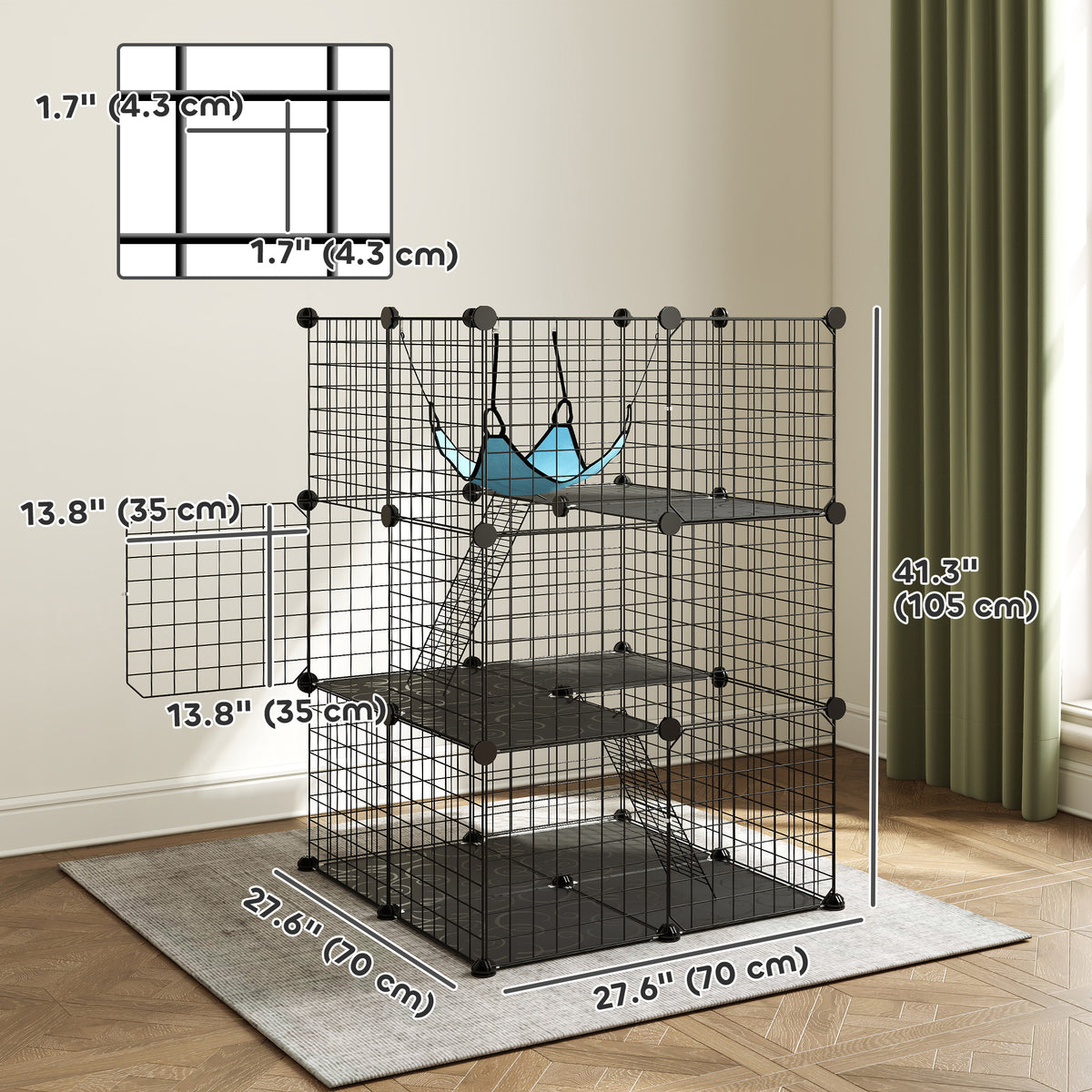
3 Tier Cat Cage Crate, DIY Pet Playpen with 3 Doors, Ladders, Hammock, Platforms, Indoor Playpen for Kittens, Black


Cat Litter Box Enclosure with Divider and Double Doors-Brown


Hidden Cat Washroom with Double Doors and Scratch Cardboard-Black


Hidden Cat Washroom with Double Doors and Scratch Cardboard-Coffee


Cat Litter Box Enclosure with Double Door Cabinet


Patented 2-Door Cat Litter Box Enclosure with Winding Entry and Scratching Board-Gray


Cat Litter Box Enclosure with Storage Compartments and Pet Scratcher


Hidden Cat Washroom with Double Doors and Scratch Cardboard-White


Cat Litter Box Enclosure with Pull-out Drawer-Black


2-Story Wooden Cat House with Asphalt Roof Balcony and Rain Curtain-Red & White


3-in-1 Cat Litter Box Enclosure with Removable & Movable Divider for Pets-Gray


3-in-1 Cat Litter Box Enclosure with Removable & Movable Divider for Pets-Beige


Cat Litter Box Enclosure with Sisal Scratching Doors and Storage-Natural


Smart Plant Cat Litter Box with Electronic Odor Removal & Sterilization-Beige


Cat Litter Box Enclosure with 3 Sisal Scratching Posts for Indoor Cats-Natural


Flip Top Hidden Cat Washroom Furniture with Double Barn Doors, Removable Divider and Middle Entry


Cat Litter Box Enclosure with Double Barn Doors, Divider, Side Entry and Storage Shelf

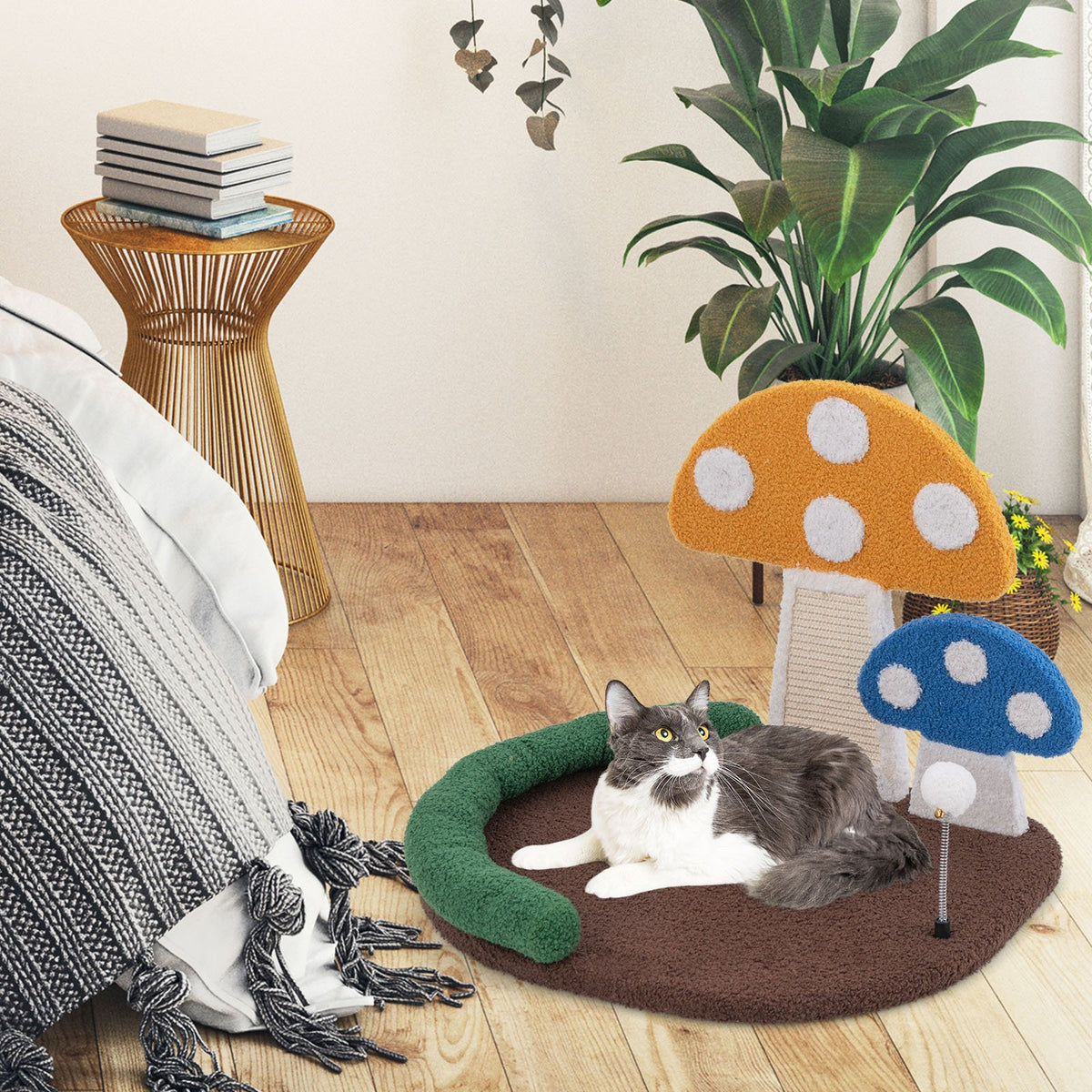
Mushroom Cat Bed Cat Claw Scratcher with Wide Bed and Sisal Scratch Panel-Multicolor

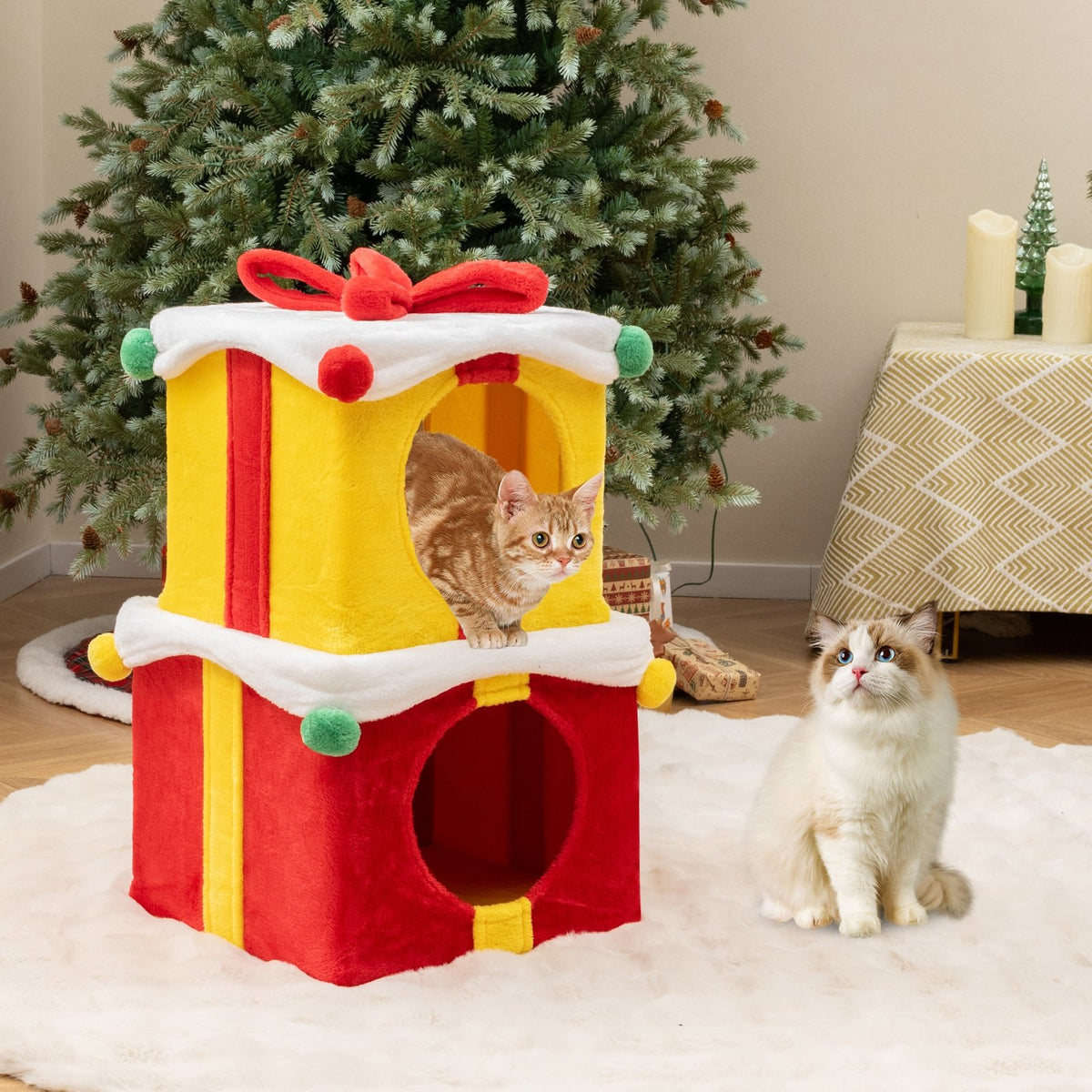
2 Gift Box Shaped Cute Christmas Cat House with Bow-Multicolor

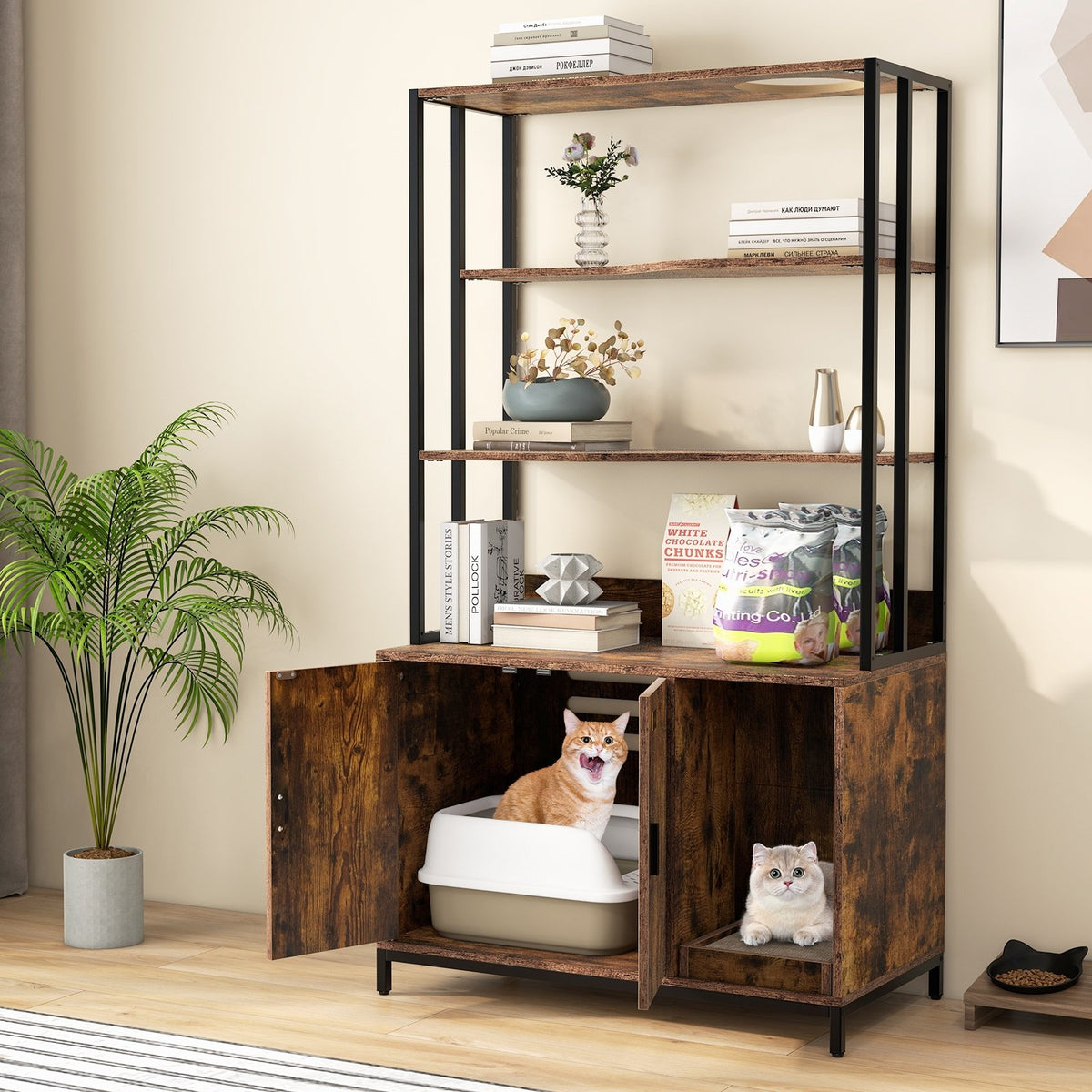
Cat Litter Box Enclosure with Storage and 3-tier Shelves-Rustic Brown

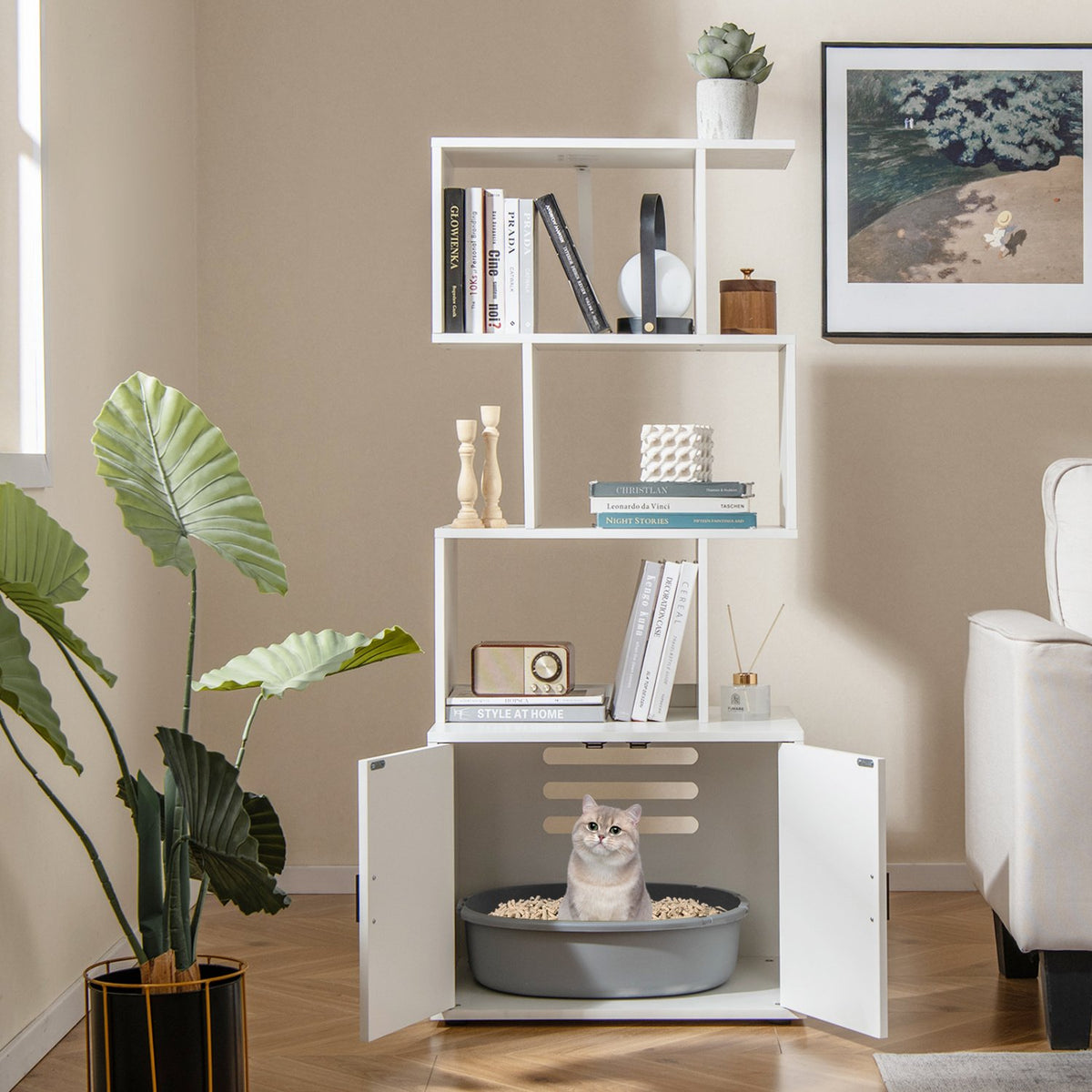
56 Inch Tall Cat Litter Box Enclosure with Storage-White


56 Inch Tall Cat Litter Box Enclosure with Storage-Rustic Brown


Cat Litter Box Enclosure for 2 Cats Modern Kitty Litter Box Furniture Hidden-White


40 Inch Cat Litter Box Enclosure for 2 Cats Hidden Cat Washroom-White


40 Inch Cat Litter Box Enclosure for 2 Cats Hidden Cat Washroom-Gray


Elevated Pet Bed Frame with Rails and Cute Headboards-Walnut


Cat Litter Box Enclosure with 2 Drawers and 3 Doors for Kittens and Adult Cats-White


Modern Wooden Industrial Cat Litter Box Enclosure with Storage Shelves-Brown


2-tier Wooden Cat Condo Indoor Symmetrical Cat House with Removable Cushions


43 Inches Cat Litter Box Enclosure with Double Rooms and 2 Sisal Scratching Mats-Natural


43 Inches Cat Litter Box Enclosure with Double Rooms and 2 Sisal Scratching Mats-White


43 Inches Cat Litter Box Enclosure with Storage and Double Rooms-White


Cat Litter Box Enclosure with Storage Shelves and Scratching Pad-Rustic Brown
Cat houses for indoor and outdoor cats
Valuhub's cat houses collection brings together outdoor shelters, indoor condos, cat cages and hidden litter box enclosures. Each gives a cat a safe place to rest, hide or use the litter box. Sizes, finishes and weather features differ, so pick the type that matches where your cat lives.
Valuhub Canada lists wood as the most common material, in white, grey, brown, black and natural finishes. Want a climbing tower instead? See our cat trees. For the wider pet range, browse cat furniture and enclosures.
Cat house range at a glance
Types of cat houses in this collection
The range falls into five groups, from the largest to the smallest. Each one suits a different room, season or household.
Cat litter box enclosures and washrooms
Litter box enclosures are the largest group in this collection. They hide the litter box inside a cabinet, bench or side table. Many have double doors, a divider, storage shelves or a sisal scratching surface, and some fit two cats. Some are sold as a hidden cat washroom. See the full cat litter box enclosures collection.
Outdoor cat houses and catios
An outdoor cat house is built for porches, yards and use as a feral cat shelter. Many have a waterproof or asphalt roof, an elevated base, a removable floor and an escape door. Larger wooden cat house models add two to four floors, perches and a catio style layout. Compare more outdoor cat enclosures.
Indoor cat houses and condos
An indoor cat house, often sold as a cat condo, gives a cat a private place to nap. Common features include two to four floors, sisal scratching surfaces, removable cushions and several entrances. One four story condo measures 16 x 16 x 29 in (41 x 41 x 74 cm). For taller climbers, see cat trees.
Cat cages and playpens
Cat cages and playpens keep one to five cats or kittens safe in one space. Models have two to four tiers with hammocks, ramps, platforms and trays, and one has lockable wheels. Open frames let cats see out while staying contained.
Cardboard, tent and wall mounted houses
A small group suits tight spaces and light use. A cardboard cat house doubles as a scratcher, and some add scratching pads or catnip. Wall shelves put a washable cushion at height, and a portable tent folds away with a carry bag.
Check each product page for exact sizes, colours and assembly details.
How do you choose a cat house?
Match the house to the setting
Use an outdoor cat house outside and keep indoor condos indoors. Outdoor models need a waterproof roof and a raised floor to stay dry. Indoor models need a stable base and soft, removable cushions.
Measure your cat and the space
Your cat should be able to turn around and lie stretched out. Measure nose to tail and add about 10 cm (4 in). Then compare that with the product footprint, such as 16 x 16 in (41 x 41 cm). Check it against your floor space.
Check insulation for winter
In winter a smaller insulated cat house holds heat better than a large one. Look for insulated walls, a raised floor and a small entrance. Dry straw stays warmer than blankets, which hold damp. Bring pet cats indoors in severe cold.
Look at how it cleans
Removable floors, openable roofs and washable cushions make cleaning easier. Check outdoor shelters often for damp bedding and pests. A house that is easy to open gets cleaned more often.
Count the cats and the exits
Choose two entrances or an escape door when cats share a house. A shy cat also needs a way out. Cat cages list how many cats they suit, from one or two up to three to five kittens.
Where do cat houses work best?
Indoor condos work best near a window or in a quiet corner. A cat can nap there and still watch the room. Add one beside a favourite sunny spot, or pair it with a cat tree for climbing. Cardboard and wall mounted houses suit small apartments.
Outdoor shelters work best on a porch, patio or sheltered yard corner. Raise them off the ground and turn the door away from wind. People who feed community cats often choose an insulated cat shelter with an escape door. Browse outdoor cat enclosures for larger catio style options.
Litter box enclosures work best in a hallway, laundry room or bathroom corner. There the box stays out of sight. A divider or two rooms help when two cats share one space. The cat litter box enclosures page lists the full selection.
How do you set up and care for a cat house?
Set a cat house on level ground or a flat floor so it cannot tip. Place a soft, dry bed inside and let your cat explore it without pushing. Wash cushions and wipe surfaces often, and check wood parts, roofs and fasteners each season. Outdoors, keep bedding dry and replace it when damp.
Shipping and returns: Free shipping on orders over $150. Delivery details show on each product page. Returns are accepted within 14 days of delivery, as set out in our refund policy.
Cat house FAQs
Is a cat house good for cats?
Yes, a cat house gives cats a private place to rest and feel safe. Many cats like enclosed, cosy spaces where they can watch the room unseen. A house with a washable cushion and an easy exit works well for most cats.
What is the best outdoor house for cats?
The best outdoor cat house has a waterproof roof, a raised floor, insulated walls and a small entrance. An escape door adds safety for shy cats. Choose a size your cat can turn around in, so body heat stays inside.
Do cats prefer open or closed beds?
Many cats like closed, covered spaces that feel safe, while others prefer an open bed with a view. Watch where your cat naps now. Then pick a covered house or an open shelf to match that habit.
How big should a cat house be?
A cat house should let your cat turn around and lie stretched out. Measure nose to tail and add about 10 cm (4 in). For outdoor winter use, avoid very large houses, because small spaces hold body heat better.
Is a litter box enclosure the same as a cat house?
No. A litter box enclosure is furniture that hides the litter box. A cat house is a bed or shelter. This collection holds both, and each product title names its type, so check it before you buy.
How do I keep an outdoor cat house warm in winter?
Choose insulated walls and a raised floor, and face the door away from the wind. Fill the house with dry straw, not blankets. Any heating must be a pet product rated for outdoor use. Bring pet cats indoors in severe cold.
