

Shoe Storage
Shoe storage at Valuhub Canada covers narrow shoe cabinets with flip drawers, shoe racks, storage benches and organizers. The range helps keep entryways, hallways and closets tidy, with options for 8 to 32 pairs of shoes. Orders over $150 ship free across Canada.


43.5 Inch Upholstered Entryway Bench with Rubber Wood Frame-Brown

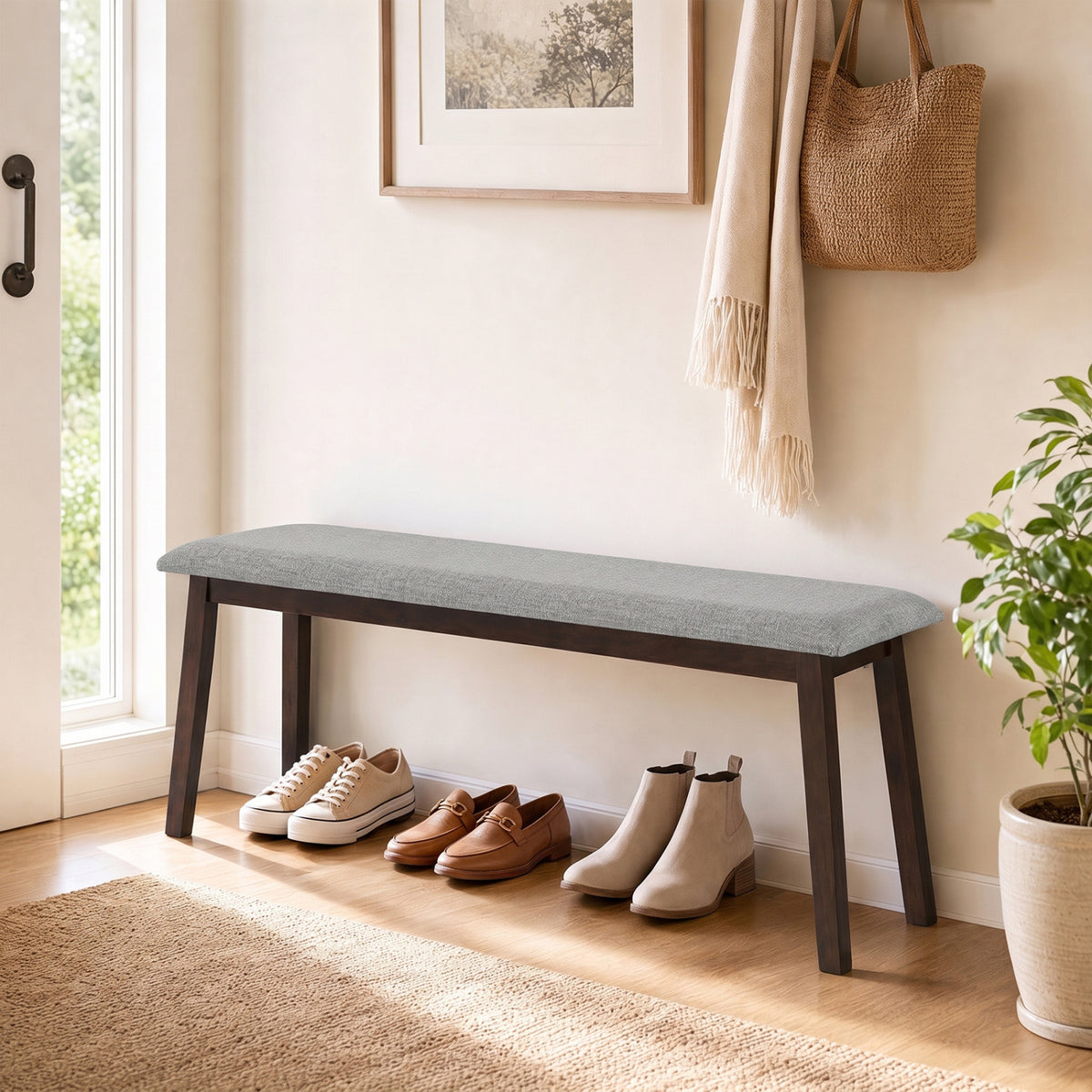
43.5 Inch Upholstered Entryway Bench with Rubber Wood Frame-Gray


43.5 Inch Upholstered Entryway Bench with Rubber Wood Frame-Beige


Geometric Cabinet 2‑Door PU‑like Freestanding Footwear Storage with Carved Panels for Entryway Hallway Living Room-Natural


2‑Door Geometric‑Style Storage Cabinet Freestanding Footwear Organizer with Stylish Carved Panels-Natural


Natural Shoe Cabinet with 3 Doors Freestanding Closed Footwear Storage Unit for Entryway Hallway-Natural


2-Door Shoe Cabinet with Removable Shelves Wooden Shoe Storage Organizer-White


3-Door Shoe Cabinet with Removable Shelves Wooden Shoe Storage Organizer-White
Shoe storage for entryways, hallways and closets
Valuhub's shoe storage collection brings together cabinets, racks, benches and organizers that keep footwear off the floor. Narrow cabinets with flip drawers are the biggest group. Open racks, doored cabinets and storage benches round out the range.
Busy families, small apartments and big shoe collections all find a fit here. Pair a cabinet with an entryway bench or coat rack to finish the front hall.
Shoe storage at a glance
Types of shoe storage in this collection
The range falls into five groups, starting with the most common.
Narrow cabinets with flip drawers
Flip drawer cabinets are the biggest group. Each drawer tilts open to show a row of shoes. A narrow cabinet can hold 8 to 32 pairs. Most have adjustable shelves and a top surface for keys or a plant. A slim shoe cabinet suits hallways, and a rattan shoe cabinet adds a natural, farmhouse look.
Shoe cabinets with doors
Cabinets with doors hide footwear behind slatted doors, louvered doors, barn doors or rattan doors. A closed cabinet keeps the hall calm and tidy. Some use soft-close hinges, and a few have a high gloss white finish. Shelves adjust on many, so boots and sneakers both fit. Browse storage cabinets for more.
Open shoe racks and tiered shelves
Open racks give quick access to daily shoes. They come in 3 to 7 tier designs in metal, wood, bamboo and fabric. Many are foldable, which suits small spaces. A rotating shoe organizer tower holds many pairs in a tiny footprint. A shoe rack for entryway use keeps wet boots off the floor.
Shoe benches and storage ottomans
Benches add a padded seat for putting on shoes. A shoe bench stores pairs below, and a storage ottoman bench opens up for extras. Some sets add a coat rack with hooks. See the entryway benches and coat racks and storage ottomans and benches.
Mirrored and specialty units
Specialty pieces do two jobs. A mirrored cabinet adds a full length mirror to the hall. A hall tree combines a bench, hooks and shelves. These units save floor space where the entryway is small.
Check each product page for exact sizes, shelf load limits and assembly details.
How do you choose shoe cabinets and racks?
Count your pairs
Count every pair you want to store, then add about 20 percent for new shoes. Units in this range list room for roughly 8 to 32 pairs. Bulky sneakers and boots take more space than flats.
Measure depth and door swing
Measure the width, height and depth of the spot. Leave room for drawers to tilt and doors to open. Closets are often about 60 cm (24 in) deep, so check the unit depth first.
Plan for winter boots
Tall boots need an open shelf or an adjustable shelf set high. Slatted doors and open backs let damp footwear dry. Wipe road salt off boots before you store them.
Choose open or closed
Open racks give quick access and dry shoes faster. Closed cabinets hide clutter and keep dust off. A cabinet with flip drawers suits narrow halls, and a rack suits daily shoes.
Check stability
A tall shoe cabinet can tip, so anchor it to a wall stud. Spread heavy boots across lower shelves. Check the shelf load limit on the product page before you stack heavy items.
Where do shoe cabinets and racks work best?
The entryway is the classic spot. A narrow cabinet by the front door catches shoes as people come in. A bench beside it gives a seat for pulling boots on and off. Add clothing storage nearby for coats and bags.
Closets, bedrooms and hallways also benefit from tidy footwear. A tiered rack fits inside a closet, and a slim cabinet fits a hallway wall. Apartments gain space when shoes move off the floor. A vertical unit uses wall height instead of floor area.
Families need room for several sizes of footwear. Give each person a shelf or drawer. Keep kids' pairs on the lower tiers where small hands can reach them. Seasonal boots can move to the top shelf in summer, which frees the easy shelves for daily pairs.
How do you set up and care for a shoe rack or cabinet?
Assemble the unit on a flat floor, then tighten every screw after a week. Anchor tall units to the wall. Let wet boots drip dry on a tray before storing them. Wipe wood and metal with a damp cloth. Spot clean fabric, and leave the doors open now and then to air the shelves.
Shipping and returns: Orders over $150 ship free across Canada, and delivery details show on each product page. Unused items can be returned within 14 days of delivery. Read the refund policy for the steps.
Valuhub Canada FAQs for entryway shoppers
How many pairs of shoes does a shoe cabinet hold?
Cabinets in this range list room for about 8 to 32 pairs. The count depends on the size and the number of flip drawers or shelves. Check the stated pair count on each product page, and allow extra room for bulky sneakers and boots.
What is the best shoe storage for a small entryway?
A narrow cabinet with flip drawers is a good choice for a small entryway. It stays slim, hides shoes and gives a flat top surface. A foldable rack or a rotating tower also saves floor space.
Is an open rack or a closed cabinet better?
An open rack suits daily shoes and wet boots because air flows freely. A closed cabinet suits a tidy look and keeps dust off. Many homes use both, with a rack for daily pairs and a cabinet for the rest.
Do flip drawer cabinets fit boots?
Flip drawer cabinets suit shoes, flats and sneakers best. Tall boots often need an open shelf or a cabinet with adjustable shelves. Check the shelf height on the product page before you buy.
Should a tall shoe cabinet be anchored?
Yes, anchor any tall or top-heavy unit to a wall stud. Place heavy items on the lower shelves and check the load limit. Anchoring keeps the cabinet steady in busy halls and homes with children.
Do these units ship free in Canada?
Orders over $150 ship free across Canada. Delivery details show on each product page, because items ship from different locations. Unused items can be returned within 14 days of delivery.
