

Dog Agility Training Equipment
Valuhub's dog agility equipment collection offers obstacle course kits, jump bar sets and ball launchers for backyard training. Many sets include tunnels, weave poles and a carry bag. They suit puppies, active adults and older dogs in a yard or park.


Dog Agility Equipment Ramp with Safety Bar, Non-slip Surface, for Walk and Pause Training, Gray
 Bundle & Save


13-Piece Dog Agility Training Equipment Set, Pet Obstacle Course with 2 Tunnels, Adjustable Jumps, Orange Blue
Bundle & Save


Dog Agility Training Equipment, 11-Piece Dog Obstacle Course with Adjustable Hurdle & Ring, 3 Tunnels, Weave Poles
Bundle & Save


7 Pcs Dog Agility Kit w/ Tunnels, Weave Poles, Adjustable Hurdles, Jump Ring, Pause Box, Whistle, Carry Bag, Blue


Automatic Dog Ball Launcher, Automatic Ball Launcher with 3 ETPU Balls, 26-79ft, for Medium and Large Dogs, Orange


Dog Agility Starter Kit Pet Outdoor Exercise Training Set Tunnel 8 Weave Poles High Jumper
Bundle & Save


5Pcs Dog Agility Training Equipment with 8.7KG Net Weight, Pet Agility Set with Tunnels, Adjustable Jump Ring, Jumper, Weave Poles, Square Pause Box, Carrying Bag, Whistle
 Popular Choice


Automatic Dog Ball Launcher with 5 ETPU Balls 2.3", 3 Distance Settings 20ft, 33ft, 46ft, Green
Bundle & Save


3PCs Portable Pet Agility Training Obstacle Set for Dogs w/ Adjustable Weave Pole, Jumping Ring, Adjustable High Jump
Bundle & Save


Dog Agility Training Equipment, 8PCS Dog Obstacle Course Starter Kit with Carrying Bag
Bundle & Save


Set of 4 Dog Agility Training Equipment Adjustable Jump Bar Pet Exercise Kit with Carrying Bag (Yellow)
Bundle & Save


Dog Agility Training Equipment, 4 PCS Obstacle Course with Height Adjustable Jump Hurdle and Bag, Yellow
Bundle & Save


Set of 6 Dog Agility Training Equipment Adjustable Jump Bar Pet Exercise Kit with Carrying Bag (White)


Dog Agility Hurdle Cone Set, Adjustable Obstacle Course Equipment with 8 Cones & 8 Poles, Carry Bag, Orange
Bundle & Save


Set of 6 Dog Agility Training Equipment Adjustable Jump Bar Pet Exercise Kit with Carrying Bag (Blue)
Bundle & Save


Set of 4 Dog Agility Training Equipment Adjustable Jump Bar Pet Exercise Kit with Carrying Bag (White)


Dog Agility Starter Kit Pet Outdoor Exercise Training Set Tunnel 4 Weave Poles High Jumper
Bundle & Save


Dog Agility Training Equipment, 4 PCS Obstacle Course with Carrying Bag for Old Dogs, for Backyard, Outdoor, Blue


Dog Agility Hurdle Cone Set, Adjustable Obstacle Course Equipment with 8 Cones & 8 Poles, Carry Bag, Blue
Popular Choice


Dog Agility Equipment Set, Portable Dog Agility training equipment for Outdoor Play Run


Dog Agility Kit Pet Obstacle Course Training Equipment Outdoor with Weave Poles, Carry Bag, Black


2-in-1 Dog Obstacle Training Agility Equipment Tire Jump Ring/Hurdle Bar with a Simple & Easy Setup & Storage Bag


Dog Agility Hurdle Cone Set, Adjustable Obstacle Course Equipment with 6 Cones & 6 Poles, Carry Bag, Orange


Wood Pet Seesaw Platform Dog Agility Training Equipment Run Game Toy Weather Resistant Pet Supplies Grey


Dog Pet Agility Training Kit High Jump Weave Pole Ring Obedience Training Set Adjustable Equipment Portable
Bundle & Save


2PCs Dog Agility Kit with Weave Poles, Spray Water Tube, Whistle, Carry Bag, White
Bundle & Save


Set of 4 Dog Agility Training Equipment Adjustable Jump Bar Pet Exercise Kit with Carrying Bag (Blue)

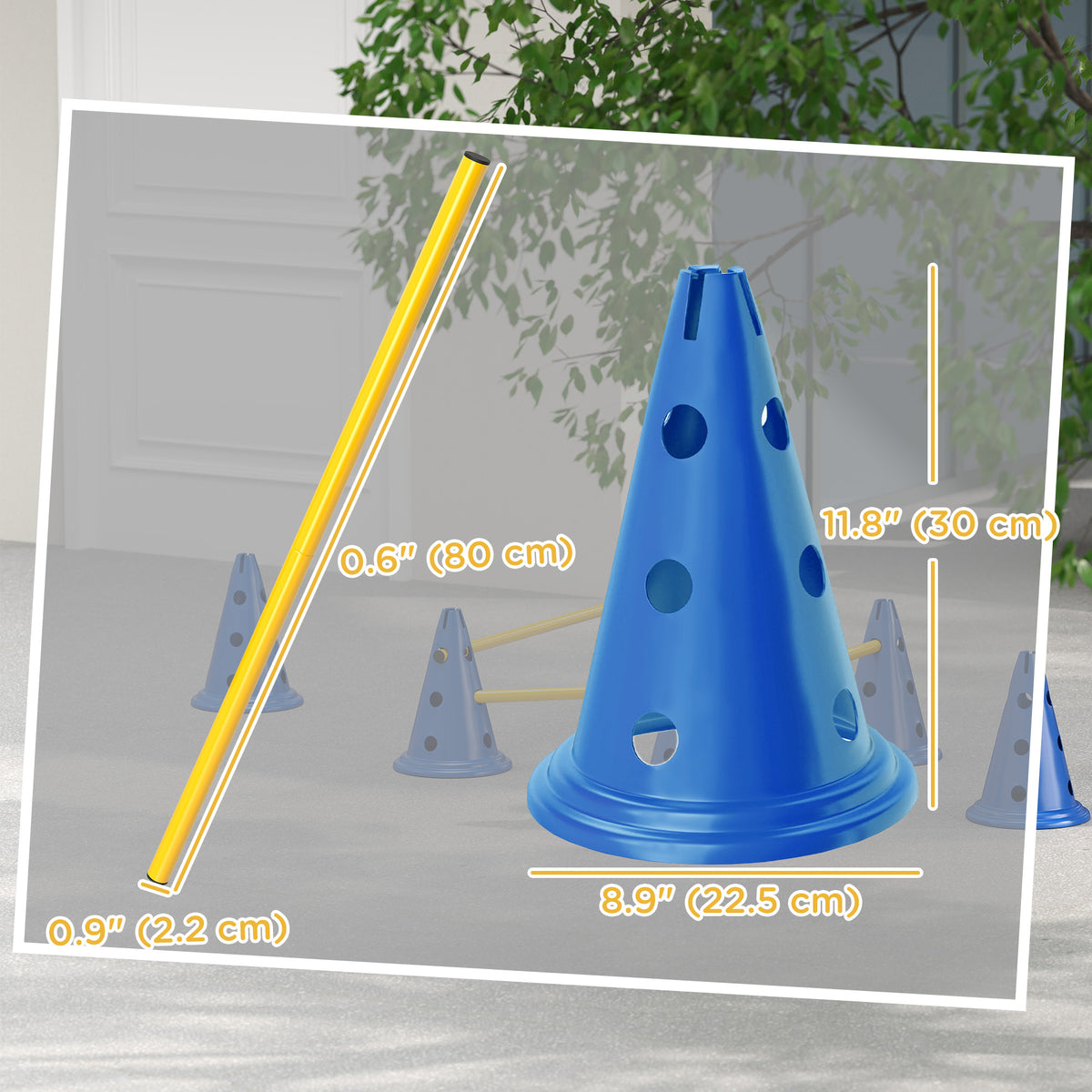
Dog Agility Hurdle Cone Set, Adjustable Obstacle Course Equipment with 6 Cones & 6 Poles, Carry Bag, Blue
Bundle & Save


Dog Agility Training Equipment, 5PCS Dog Obstacle Course Starter Kit with Carrying Bag

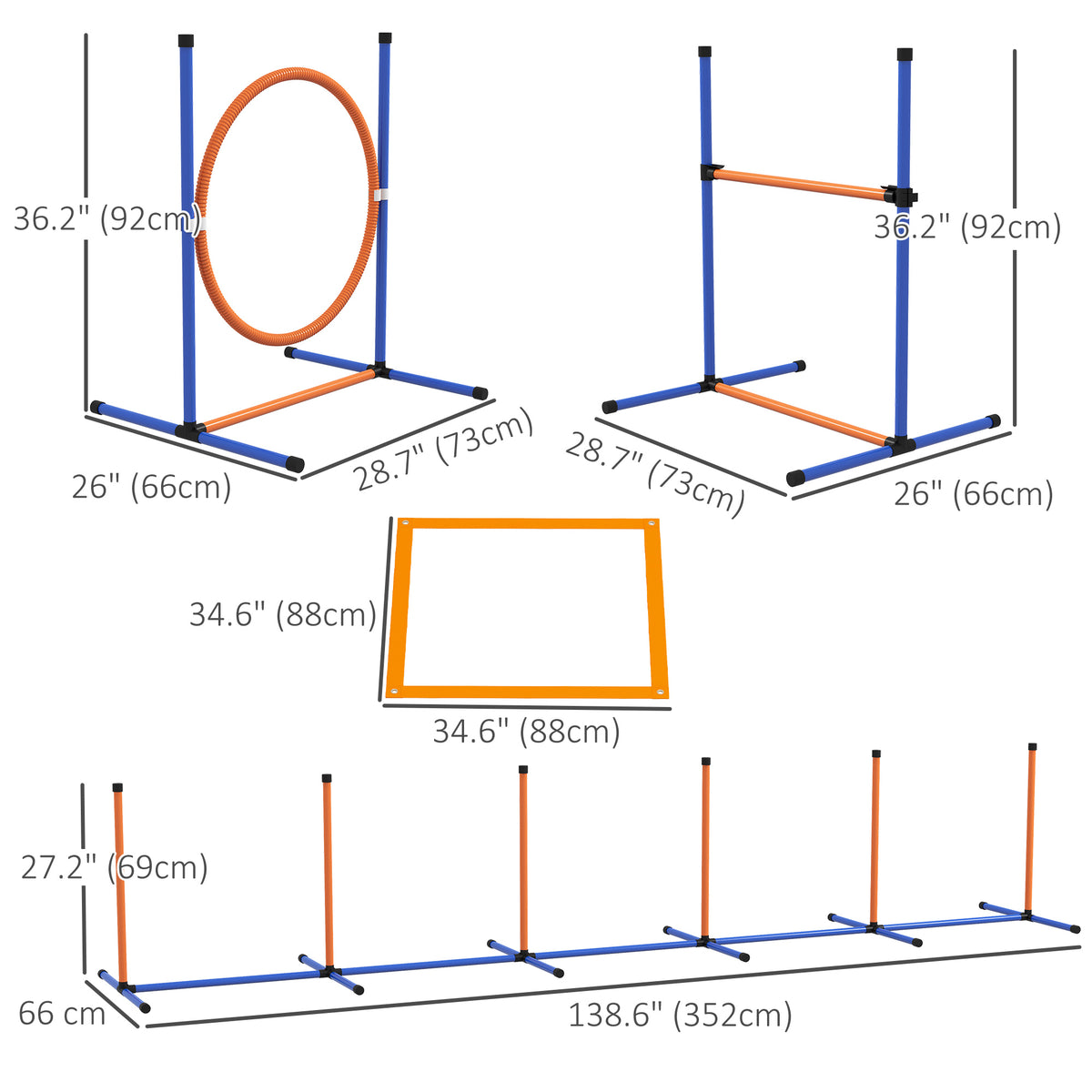
Dog Agility Training Equipment w/ Weave Poles, Adjustable Hurdle, Jump Ring, Pause Box, Whistle, Balls, Carry Bag
Dog agility equipment for backyard training
Valuhub's dog agility equipment range brings together obstacle course kits and single obstacles for backyard training. Each piece gives your dog a way to burn energy, build coordination and practise focus. A dog agility kit makes a good start. Valuhub Canada ships these sets across Canada.
The range suits puppies learning basics, active adults and older dogs that enjoy low, gentle courses. Any dog agility training equipment here can grow into a full dog obstacle course. Browse more dog supplies or add a fenced area with our dog playpens.
Dog agility equipment at a glance
Types of dog agility equipment in this collection
Dog agility gear in this range falls into five types, from full kits to single obstacles and ball launchers.
Obstacle course kits and starter kits
Obstacle course kits are the largest group in this range. A kit bundles tunnels, weave poles, an adjustable hurdle, a jump ring, a pause box and a whistle. Sets hold from 2 to 13 pieces. Most come with a carry bag. They suit owners who want a full backyard course in one box.
Jump bar sets
Jump bar sets give you four or six adjustable jumps with a carrying bag. You raise or lower the bar to match your dog. Low jumps suit puppies and older dogs, and higher bars suit fit adults. They are a simple way to teach jumping form.
Hurdle and cone sets
Hurdle and cone sets use 6 or 8 cones and poles that you assemble into hurdles. Heights adjust, and a carry bag keeps the parts together. Cone sets pack small. They suit owners with limited storage and dogs that are new to jumping.
Single obstacles
Single obstacles train one skill at a time. The range includes a 2-in-1 tire jump ring and hurdle bar, a wooden seesaw described as weather resistant. A ramp with a safety bar and a non-slip surface supports walk and pause training.
Automatic ball launchers
Automatic ball launchers throw balls so your dog can chase and fetch. Models in this range use 2.3 inch (5.8 cm) balls. One offers 3 distance settings from 20 to 46 feet (6 to 14 m). Another throws 26 to 79 feet (8 to 24 m). They suit medium and large dogs.
Check each product page for exact sizes, piece counts and what is included.
How do you choose dog agility equipment?
Start with a small kit
A starter kit of 4 to 7 pieces gives you tunnels, a hurdle and weave poles. It needs little space. Add single obstacles later as your dog learns. A small start keeps training fun and simple.
Match jump height to your dog
Keep bars low for puppies and older dogs, and raise them slowly as your dog gains skill. Adjustable hurdles let one set grow with your dog. Ask your vet if you are unsure about your dog's joints.
Plan your space
Clear a flat area of about 3 m by 6 m (10 by 20 ft) for a small course. Tunnels need a straight run, and weave poles need a line of about 2 m (6 ft). Check the ground for holes and stones.
Check storage and weight
A carry bag keeps pieces together, and a light set is easy to move. One 5-piece set weighs 8.7 kg (19 lb). Pick gear you can store indoors over a Canadian winter.
Choose obstacles that fit your goals
Choose tunnels and weave poles for speed and focus. Pick a pause box or ramp for calm control. Pick a ball launcher when your main goal is exercise for a high-energy dog.
Where do agility sets work best?
Agility sets work best in a fenced backyard, where your dog can run without a leash. Set up a short loop of a dog jump, a dog agility tunnel and weave poles. Reward each success with a treat and keep sessions short. A flat lawn gives the safest footing. A simple dog agility set and a short dog agility course are plenty for the first month.
A park or open field also suits a portable kit. Light pieces and a carry bag make it easy to pack the car. Always check local rules first. Bring water and a bowl from our dog bowls for breaks.
A garage or basement works for low-height practice in winter. Use soft flooring and keep jumps low. Indoor sessions keep your dog active when snow covers the yard.
How do you set up and store agility gear?
Agility gear needs a flat, clear space and a quick check before each session. Look for loose parts, cracks and worn straps. Wipe tunnels and poles dry after use and let fabric air out before you pack it. Store the set in its carry bag in a dry place.
Shipping and returns: free shipping over $150 across Canada, with delivery details on each product page. Unused items qualify for returns within 14 days of delivery.
Dog agility FAQs
What equipment do I need to start dog agility?
A starter kit with a tunnel, an adjustable hurdle and weave poles is enough to begin. Add a jump ring and a pause box as your dog learns. Treats and a whistle or clicker help with training. Keep jumps low at first.
How high should dog agility jumps be?
Set jumps low at first, around your dog's wrist or elbow height, and raise them slowly. Puppies and older dogs need lower bars. Adjustable hurdles let you change the height. Ask your vet about safe jump heights for your dog.
Can I train dog agility in my backyard?
Yes, a backyard works well for agility. Pick a flat, fenced area about 3 m by 6 m (10 by 20 ft). Check the ground for holes, stones and wet patches before each session.
At what age can a dog start agility?
Puppies can start with fun, low obstacles such as tunnels and ground poles. Skip high jumps until your vet says your dog is fully grown. Older dogs can join in with low, gentle courses.
How do I teach my dog to use weave poles?
Start with the poles wide apart and lure your dog through with a treat. Close the gap a little each week. Praise every success and keep sessions short. Most dogs need many short practices to learn the weaving pattern.
How do I store agility equipment in winter?
Dry each piece, then pack it in its carry bag. Store the set indoors, away from damp and strong cold. Check straps and poles for wear before spring. Bring a low-height course into a garage for winter practice.
